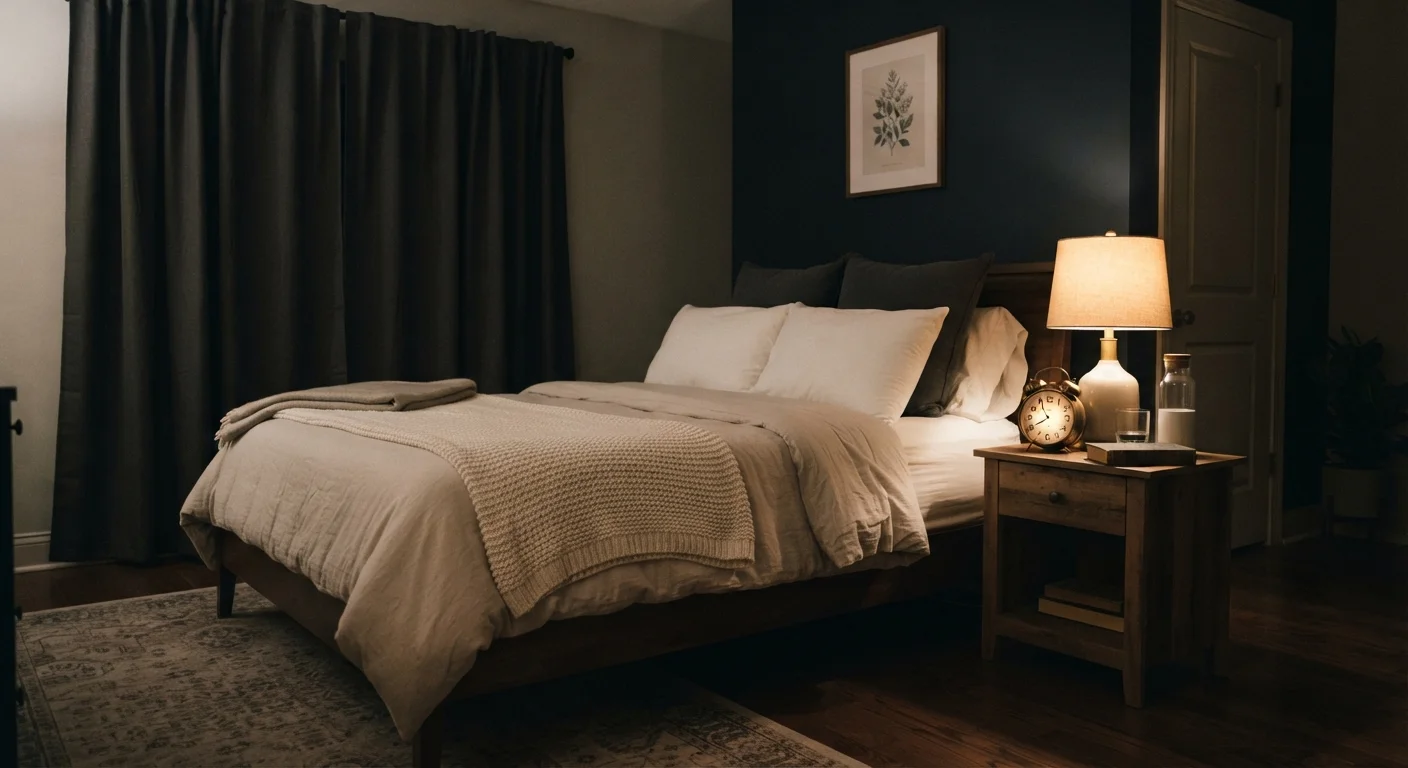
Why Sleep Hygiene Advice Deserves a Second Look
Sleep hygiene - the collection of behavioral and environmental practices said to support better sleep - has become a cultural staple. Advice floods wellness apps, social media, and doctor's waiting rooms alike. But not all of it carries equal weight. Some habits are backed by consistent research; others are more ritual than remedy.
Understanding which practices genuinely support rest, and which ones are overhyped or even counterproductive, puts you in a better position to make choices that work for your life. For a broader look at how sleep structure itself operates, see how sleep cycles actually work.
Consistent sleep timing anchors your circadian rhythm
Waking and sleeping at regular times helps regulate the body's internal clock, reducing the time it takes to fall asleep and improving daytime alertness over time.
Cool, dark rooms measurably improve sleep onset
Environmental factors like temperature and light are directly tied to melatonin production and core body temperature regulation - both critical to initiating and maintaining sleep.
Pre-sleep routines reduce physiological arousal
Predictable wind-down activities help lower heart rate and cortisol levels, making the neurological transition from wakefulness to sleep smoother and more reliable.
Limiting caffeine after midday supports natural sleepiness
Caffeine has a half-life of roughly five to six hours in most adults, meaning afternoon consumption can still be active in your system at bedtime, delaying sleep onset.
Reducing screen brightness eases the transition to sleep
Dimming screens or using warmer color temperatures in the evening is a realistic, practical step that reduces stimulation without requiring a complete device ban.
Habits Worth Keeping
Several sleep hygiene practices have meaningful research support and are worth building into your routine consistently.
A Regular Sleep Schedule
Going to bed and waking at roughly the same time every day - including weekends - helps anchor your body's circadian rhythm. This internal clock regulates alertness and sleepiness cues, and disrupting it with wildly variable schedules is one of the more reliable ways to undermine sleep quality.
A Cool, Dark Sleeping Environment
Core body temperature drops naturally as you fall asleep, and a cooler room supports that process. Blackout curtains or an eye mask address light exposure, which suppresses melatonin production. These are low-cost, low-effort changes with consistent payoff.
A Wind-Down Routine
Transitioning from activity to sleep requires your nervous system to shift gears. A predictable pre-sleep routine - whether that's light reading, stretching, or a warm shower - can signal that shift effectively. For practical ideas, building a wind-down routine that actually helps you sleep offers a structured approach.
Sleep Hygiene Has Real Limits
For people with clinical insomnia, sleep apnea, or other sleep disorders, behavioral habits alone are rarely sufficient treatment. Cognitive behavioral therapy for insomnia (CBT-I) is considered the first-line treatment for chronic insomnia by many clinical guidelines - and medical evaluation may be necessary to rule out physiological causes. General sleep hygiene advice is a useful starting point, not a replacement for professional assessment when problems persist.
Habits Worth Dropping - or Rethinking
Some widely circulated sleep tips are less useful than they appear, and a few may actively get in the way.
Obsessive sleep tracking can worsen anxiety
Consumer wearables measure sleep imprecisely, and over-relying on their scores can generate performance anxiety around sleep - a documented phenomenon associated with poorer rest outcomes.
Alcohol disrupts sleep architecture despite aiding onset
While alcohol shortens the time to fall asleep, it suppresses restorative REM sleep and increases nighttime awakenings, leaving many people feeling less rested by morning.
Lying awake in bed can reinforce wakefulness associations
Extended time in bed without sleeping can train the brain to link the sleep environment with alertness - the opposite of what's intended - which is why CBT-I recommends limiting time in bed to actual sleep.
Rigid rules can increase pressure and backfire
Treating sleep hygiene as a strict protocol can make the bedroom feel like a performance arena, adding stress that physiologically counteracts the habits' intended benefits.
Obsessive Sleep Tracking
Consumer sleep trackers can offer general pattern awareness, but fixating on nightly scores can generate anxiety that worsens sleep - a phenomenon sometimes called orthosomnia. The data these devices produce is not clinically precise, and treating every dip as a problem worth solving can create a self-reinforcing cycle of poor rest.
Using Alcohol as a Sleep Aid
Alcohol can reduce the time it takes to fall asleep, which is why many people reach for it. However, it suppresses REM sleep in the second half of the night and increases sleep fragmentation - meaning overall sleep quality suffers even if onset feels easier.
Staying in Bed When You Can't Sleep
Counterintuitively, lying in bed awake for long periods can reinforce a mental association between your bed and wakefulness. Cognitive behavioral therapy for insomnia (CBT-I) - the most evidence-supported treatment for chronic insomnia - actually recommends getting up if you've been awake for more than about 20 minutes.
If a consistent routine isn't resolving your sleep difficulties, it may be worth exploring whether something deeper is at play. When sleep problems signal something more than poor habits explains when to consider professional support.
Sleep, Recovery, and the Bigger Picture
Sleep hygiene doesn't exist in isolation. Physical activity, stress levels, diet, and mental health all interact with how well you sleep. For people who exercise regularly, quality sleep is especially consequential - how sleep affects athletic performance and recovery details what research shows about that connection.
1 in 3
U.S. adults not getting enough sleep
According to the CDC, approximately one-third of American adults report regularly sleeping less than the recommended seven hours per night.
~5-6 hrs
Average half-life of caffeine in adults
Research on caffeine metabolism suggests that a mid-afternoon coffee can still have meaningful effects on sleep onset for many adults by bedtime.
Thinking of sleep hygiene as one component of broader self-care - rather than a rigid checklist - makes it easier to apply flexibly. As explored in why self-care isn't just bubble baths, genuine wellbeing practices tend to be practical, consistent, and adapted to individual circumstances.
This article is for general informational and educational purposes only and does not constitute medical advice. If you are experiencing persistent sleep difficulties or have concerns about your health, please consult a qualified healthcare professional.