Why Temperature Extremes Are a Real Risk
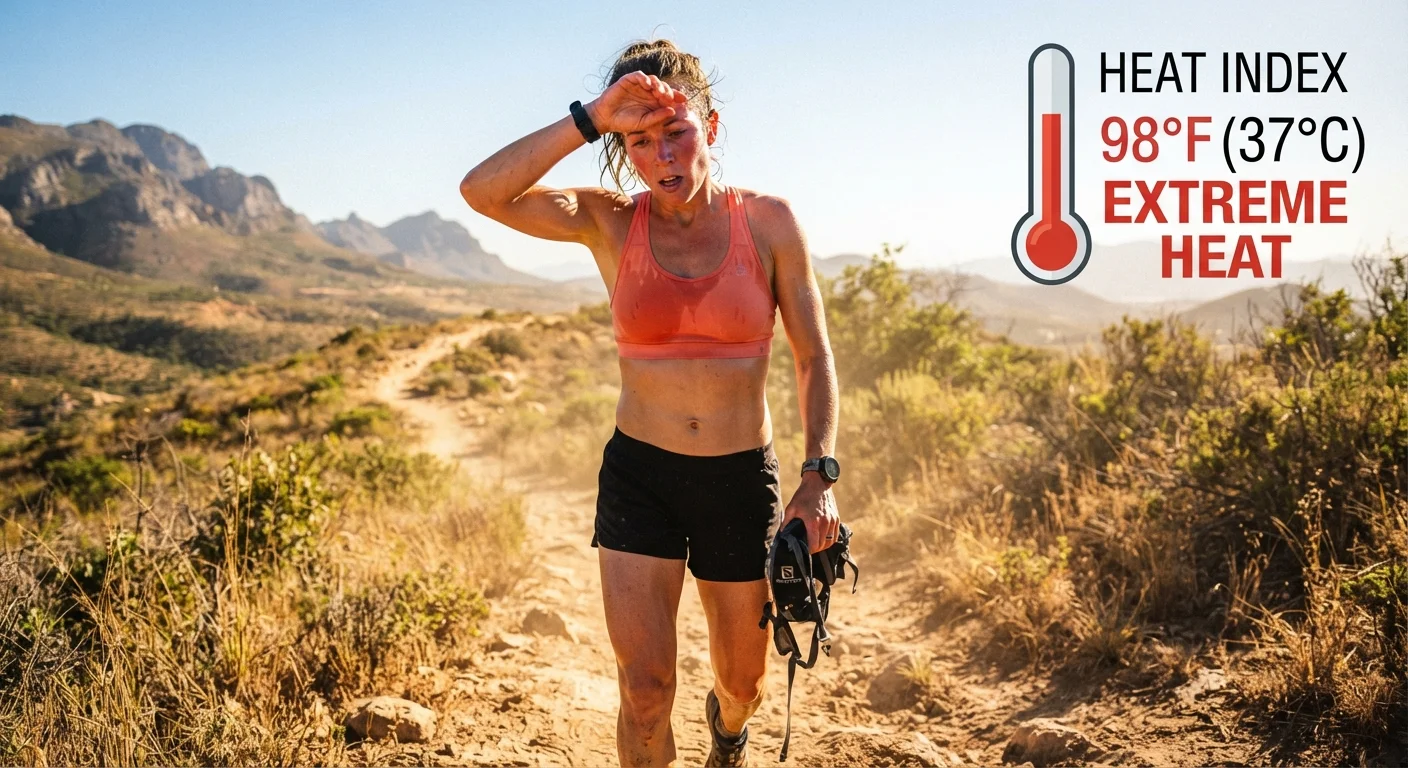
Exercising outside in summer heat or winter cold isn't inherently dangerous - but both environments impose genuine physiological demands that can escalate quickly without the right preparation. In extreme heat, your body diverts blood flow to the skin to cool itself, straining the cardiovascular system. In the cold, blood moves away from the extremities to protect core organs, raising the risk of frostbite and hypothermia.
These aren't rare edge cases. Heat-related illness sends tens of thousands of Americans to emergency departments each year, and cold-related injuries - including frostbite and cold stress - are a consistent public health concern in northern states every winter. The good news is that most incidents are preventable.
Certain groups face heightened risk and should take extra care. Older adults, who may have reduced heat tolerance and slower thermoregulatory responses, are particularly vulnerable - see our guide to staying active through your 40s, 50s, and beyond for age-specific considerations. Pregnant individuals should always consult a healthcare provider before exercising in temperature extremes; our article on exercise during pregnancy outlines the broader cautions. Anyone with cardiovascular disease, diabetes, or other chronic conditions should speak with a clinician before exercising outdoors in extreme weather.
Stop Immediately If These Symptoms Appear
Heat stroke symptoms - including hot, dry or damp skin, confusion, rapid pulse, and loss of consciousness - are a medical emergency requiring a 911 call. In the cold, uncontrollable shivering that suddenly stops, slurred speech, or drowsiness can signal dangerous hypothermia. Do not attempt to push through either condition. Move to a safe environment and seek emergency care without delay.
This article provides general health information and education only. It is not a substitute for personalized medical advice. Always consult a qualified healthcare professional before starting or modifying an exercise routine, especially if you have underlying health conditions.
Before You Head Out: Preparation Checklist
The decisions you make before leaving the house largely determine how safely your outdoor workout goes. Use the checklist below to cover the fundamentals - whether the temperature is pushing toward triple digits or dropping below freezing.
Hot Weather Preparation
Cold Weather Preparation
Universal Safety Habits
Medications Can Affect Temperature Tolerance
If you take medications - including diuretics, beta-blockers, antidepressants, or antihistamines - ask your healthcare provider whether they affect your heat or cold tolerance before exercising in extreme temperatures. Some common drugs impair your body's ability to regulate temperature or mask warning symptoms. Never adjust medications on your own to prepare for outdoor exercise.
If you take medications - including diuretics, beta-blockers, antidepressants, or antihistamines - ask your healthcare provider whether they affect your heat or cold tolerance before exercising in extreme temperatures. Some common drugs impair your body's ability to regulate temperature or mask warning symptoms.
Gear, Clothing, and On-the-Go Monitoring
What you wear and carry matters more than most people expect. In heat, light-colored, moisture-wicking fabrics help your sweat do its job. In cold, the layering principle - moisture-wicking base, insulating mid-layer, wind-resistant outer shell - keeps you warm without overheating as your effort level rises. Our guide to dressing in hot weather offers practical fabric and fit advice applicable to athletic wear.
Moisture-wicking athletic clothing
Moves sweat away from skin in heat and prevents dangerous chilling in cold when layered correctly.
Insulated water bottle
Keeps water cool in summer heat or prevents liquid from freezing during cold-weather exercise.
Weather app with heat index and wind chill data
Gives you a more accurate picture of real-feel conditions than air temperature alone.
Broad-spectrum sunscreen (SPF 30+)
Protects skin during hot-weather outdoor workouts where UV exposure is prolonged.
Running gloves and thermal hat
Prevents heat loss at the extremities during cold-weather workouts where frostbite risk is elevated.
Heart rate monitor or fitness tracker
Helps you monitor cardiovascular effort, which is more strained in extreme temperatures than usual.
During any outdoor workout in extreme conditions, pay attention to how you feel - not just your pace or distance. Dizziness, nausea, chest tightness, confusion, or shivering you can't control are signals to stop immediately. If you bring a dog along in hot weather, be aware that animals overheat faster than most owners expect; our article on recognizing heatstroke in dogs covers the warning signs. And remember that extreme-weather workouts raise your overall injury risk - understanding common exercise injuries can help you recognize problems early.
This article is for general informational purposes only and does not constitute medical advice. Consult a qualified healthcare professional for guidance specific to your health situation.