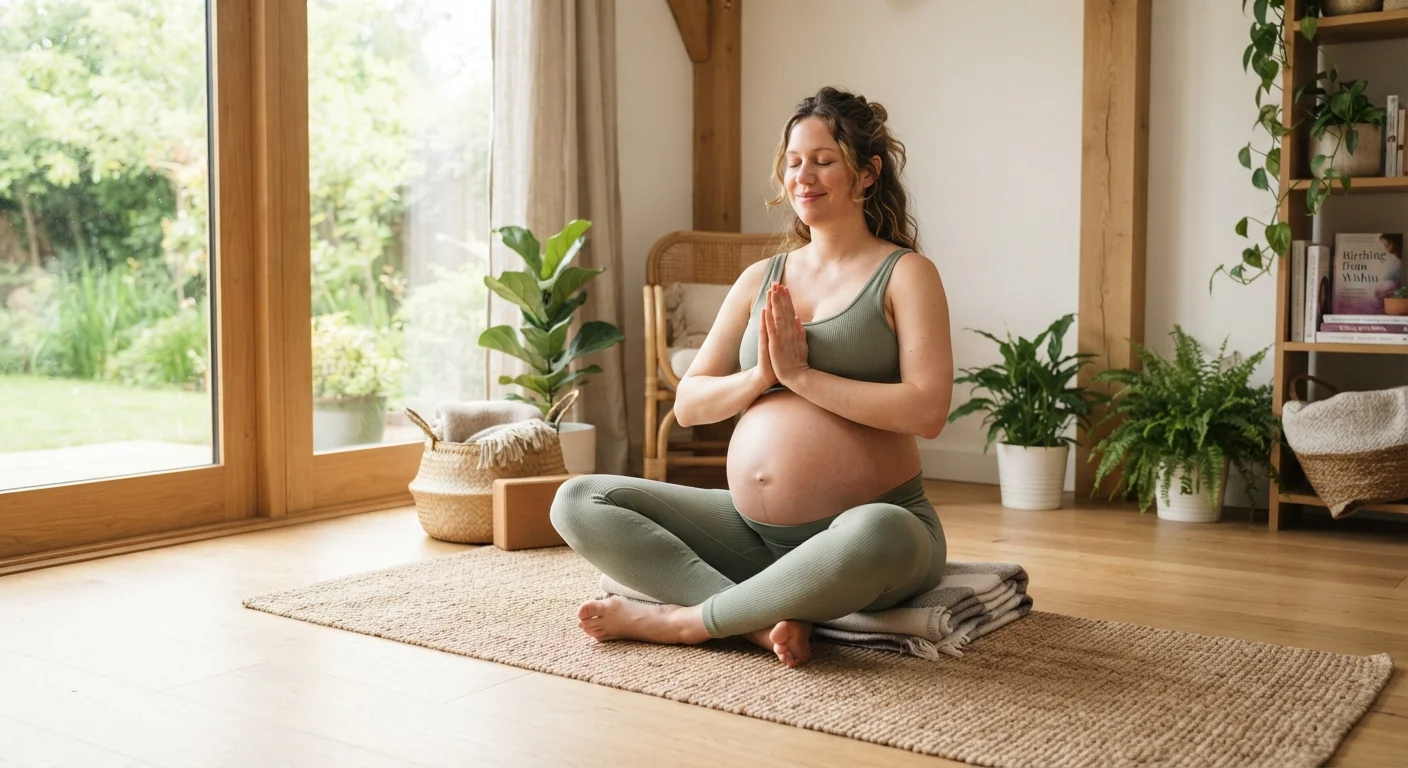
Why Exercise During Pregnancy Matters
Physical activity during pregnancy isn't about maintaining a pre-pregnancy physique - it's about supporting overall health for both parent and developing baby. Major health organizations, including the American College of Obstetricians and Gynecologists (ACOG), generally recognize that regular moderate exercise during an uncomplicated pregnancy may help manage weight gain, reduce the risk of gestational diabetes, ease common discomforts like back pain, and support mood and sleep quality.
That said, pregnancy is not a one-size-fits-all condition. Every pregnancy carries its own risk profile, and what is appropriate for one person may be contraindicated for another. This article provides general educational information only - it is not a substitute for personalized medical advice. Please consult your obstetrician, midwife, or qualified healthcare provider before beginning or continuing any exercise program during pregnancy.
“Physical activity in pregnancy has minimal risks and has been shown to benefit most women, although some modification to exercise routines may be necessary.”
— American College of Obstetricians and Gynecologists, Leading U.S. professional organization for obstetric and gynecologic care
General Principles for Safe Prenatal Exercise
For those who receive medical clearance, the following principles reflect broadly recognized guidance for exercising safely during pregnancy. These are educational starting points, not prescriptions.
Get explicit clearance from your healthcare provider before exercising
Pregnancy complications, pre-existing conditions, and individual risk factors can make certain activities unsafe. No general guideline replaces a personalized assessment. Your provider can identify contraindications specific to your pregnancy.
Choose low-impact activities that minimize fall and collision risk
Balance and coordination shift as pregnancy progresses, and the consequences of a fall become more serious. Activities with a low risk of contact or sudden impact are generally considered more appropriate, particularly in later trimesters.
Monitor exertion using the 'talk test' rather than heart rate alone
Pregnancy alters baseline heart rate, making traditional heart rate targets less reliable as exertion guides. The 'talk test' - being able to hold a conversation while exercising - is a simple, practical proxy for moderate intensity.
Avoid lying flat on your back for extended periods after the first trimester
The growing uterus can compress the inferior vena cava when lying supine, potentially reducing blood return to the heart. This is why many prenatal exercise programs modify floor-based exercises after the first trimester.
Stay well hydrated and avoid overheating
Core temperature regulation matters more during pregnancy, as elevated body temperature - particularly early in pregnancy - is a recognized concern. Exercising in hot or humid conditions warrants extra caution.
For complementary guidance on fueling your activity safely, see our overview of nutrition during pregnancy.
Important Cautions and Warning Signs
Pregnancy introduces physiological changes that can make certain activities riskier than they would be otherwise. Shifts in the center of gravity increase fall risk; hormonal changes loosen joints and ligaments; cardiovascular response to exertion differs from pre-pregnancy baselines. These are not reasons to avoid movement entirely - but they are reasons to exercise thoughtfully and under guidance.
Trust Your Body - and Your Provider
Discomfort that feels unusual, sharp, or persistent is a signal to stop and check in with your healthcare provider - not to push through. Pregnancy is a time when erring on the side of caution is always appropriate. Keep your provider updated on how your body responds to exercise as your pregnancy progresses.
Stop exercising and contact your healthcare provider immediately if you experience any of the following:
- Vaginal bleeding or fluid leaking
- Chest pain or difficulty breathing disproportionate to effort
- Dizziness, faintness, or headache
- Calf pain or swelling
- Decreased fetal movement
- Uterine contractions
Conditions such as placenta previa, preeclampsia, certain cervical conditions, and preterm labor risk are among those that may contraindicate exercise entirely. Your provider is the right person to assess whether these apply to you.
If outdoor activity is part of your routine, our guide to exercising in extreme heat or cold covers additional safety fundamentals worth reviewing - overheating carries particular concern during pregnancy.
Getting Started and Staying Consistent
For those cleared to exercise, building and maintaining a routine doesn't require elaborate equipment or high intensity. Low-impact options like walking, swimming, stationary cycling, and prenatal yoga are frequently cited as accessible starting points that protect joints while still delivering meaningful cardiovascular and functional benefits.
Short bouts of movement distributed across the day - sometimes called exercise snacks - can be a practical approach when energy and comfort fluctuate by trimester. Consistency matters more than duration or intensity.
150 min
Weekly moderate activity generally cited for uncomplicated pregnancies
ACOG guidelines reference approximately 150 minutes of moderate-intensity aerobic activity per week as a general benchmark for those with uncomplicated pregnancies - subject to individual provider guidance.
~50%
Pregnant women meeting physical activity recommendations
Research published in health literature consistently finds that fewer than half of pregnant women meet general physical activity recommendations, often due to uncertainty about safety.
As pregnancy progresses, the routine will need to evolve. Activities common in the second trimester may need modification by the third. Staying in regular communication with your provider about how your body is responding is the most important variable in any prenatal fitness plan.
This article is for general informational and educational purposes only and does not constitute medical advice. Always consult a qualified healthcare provider before making decisions about exercise or physical activity during pregnancy.