Why Dogs Overheat So Quickly
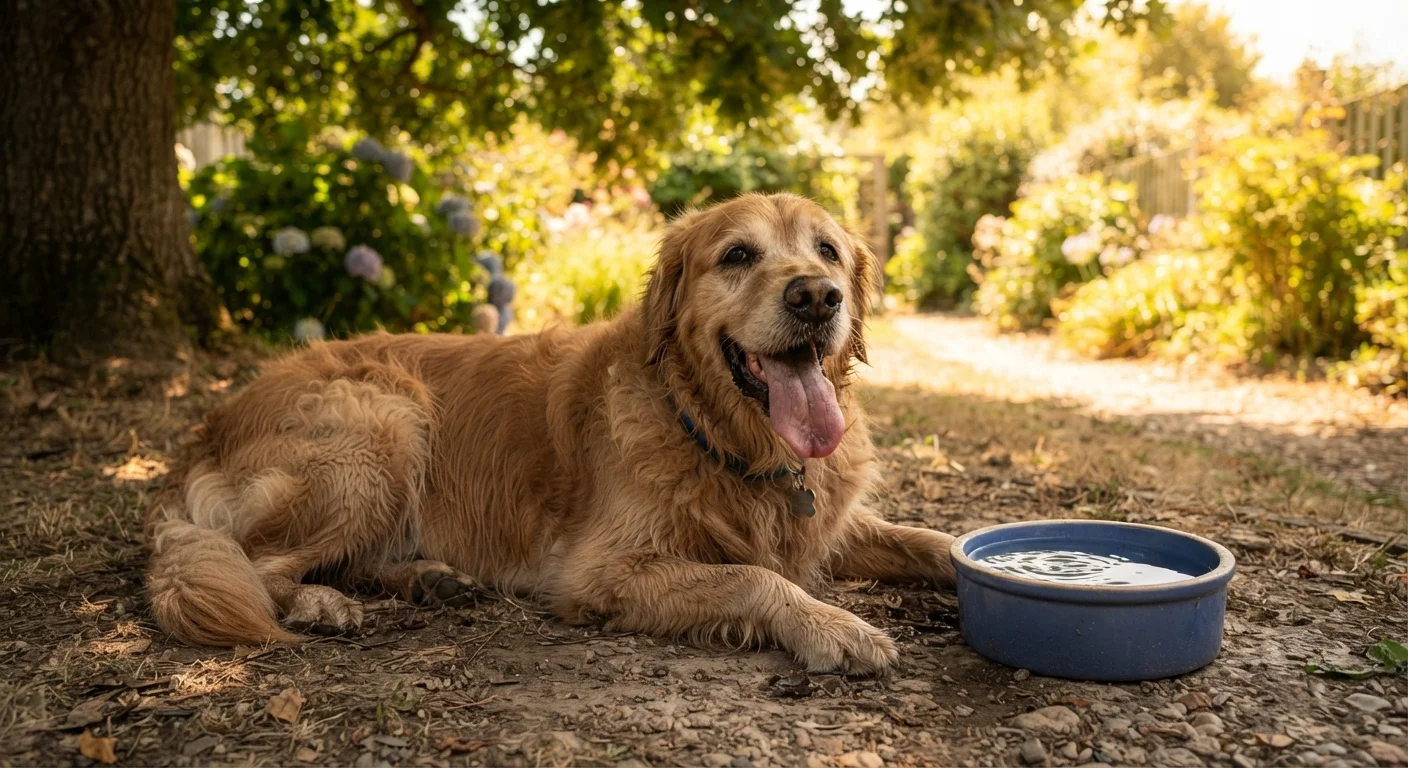
Dogs regulate body temperature almost entirely through panting - they have very few sweat glands, located only in their paw pads. This makes them far less efficient at shedding heat than humans. On a humid day, panting becomes even less effective because the surrounding air is already saturated with moisture, limiting evaporative cooling.
A dog's normal core body temperature ranges from about 101°F to 102.5°F. Once it climbs above 104°F, heat exhaustion sets in. At 106°F or higher, heatstroke - a life-threatening failure of the body's cooling systems - occurs, and organ damage can begin within minutes.
Conditions that accelerate this progression include high ambient temperature, high humidity, direct sun exposure, strenuous exercise, being inside a parked vehicle, and individual risk factors such as age, breed, obesity, and certain medications. Brachycephalic breeds (those with short, flat faces) are especially vulnerable because their anatomy limits airflow. On hot days, the same principles that apply to humans outdoors apply to your dog - see our related piece on exercising safely in extreme heat for broader context.
Know Your Dog's Baseline
Flat-faced (brachycephalic) breeds like Bulldogs, Pugs, and Boxers, as well as older dogs and those with thick double coats, are at higher risk for heat-related illness. On hot days, shorten outdoor time for these dogs and monitor them more closely than you might a young, healthy mixed breed.
Before You Begin: What You'll Need
Having the right materials within reach lets you act immediately rather than searching while your dog deteriorates. Gather these before heading out on hot days.
What you will need
Cool water source
Used to gradually lower the dog's body temperature during first-aid cooling.
Clean towels or cloths
Soaked in cool water and placed on pulse points to aid heat dissipation.
Rectal thermometer
Allows you to monitor core body temperature during cooling - normal canine temp is 101-102.5°F.
Fan or air conditioning
Increases airflow over the dog's wet skin to accelerate evaporative cooling.
Vehicle with air conditioning
Required for safe, rapid transport to the veterinary clinic.
Step-by-Step Response
Heatstroke Is a Veterinary Emergency
If your dog shows signs of heatstroke, do not wait to see if symptoms improve on their own. Begin first-aid cooling steps immediately and head to the nearest veterinary clinic or emergency animal hospital without delay. Every minute matters - heatstroke can cause irreversible organ damage or death within a short window of time.
Identify the Warning Signs
Recognizing heatstroke early is the most important thing you can do. Watch for these signs, which often progress from mild to severe:
- Excessive, frantic panting - more intense than normal exercise-related panting
- Heavy drooling with thick or foamy saliva
- Bright red gums or tongue
- Lethargy, stumbling, or disorientation
- Vomiting or diarrhea
- Muscle tremors or seizures in severe cases
- Loss of consciousness - a critical emergency
For related context on reading your dog's distress signals, see our guide to signs your pet is in pain.
Move the Dog to a Cool Environment
Immediately get your dog out of the heat. Move them indoors to an air-conditioned space, into the shade, or at minimum into a well-ventilated area away from direct sun. Place them on a cool surface such as tile or damp grass rather than hot pavement or carpet. Avoid confining them to a small space with poor airflow.
Begin Gradual Cooling
Apply cool - not ice-cold - water to your dog's body, focusing on areas where blood vessels are close to the surface: the groin, armpits, neck, and paw pads. You can also pour water over their back and sides. If a fan is available, position it to blow over the wet dog to boost evaporative cooling.
Do not submerge the dog in cold water or pack them in ice - this can cause dangerous vasoconstriction.
Offer Small Amounts of Cool Water
If your dog is conscious and able to swallow, offer small sips of cool water. Do not force them to drink and do not offer large amounts at once, as a dog in distress may gulp water and vomit, increasing the risk of aspiration. Do not offer sports drinks, sugary liquids, or anything other than plain water.
Contact Your Vet and Transport Immediately
Call your veterinarian or the nearest emergency animal hospital while a second person drives - or pull over briefly to make the call. Let them know you're coming with a suspected heatstroke case so they can prepare. Drive with the air conditioning on and keep the dog as calm as possible. Even if your dog appears to be recovering, a veterinary evaluation is still essential: internal organ damage can occur without obvious outward signs.
Unsure whether this is a true emergency or something that can wait? See our guide on emergency vs. urgent care for pets.
Prevention and When to Be Extra Watchful
Most cases of canine heatstroke are preventable. The highest-risk situations are well-documented: parked vehicles (interior temperatures can exceed 120°F within minutes even on mild days), midday outdoor exercise in summer, and poorly ventilated outdoor enclosures with no shade.
- Walk dogs in the early morning or evening during hot weather.
- Always provide access to fresh, cool water outdoors.
- Never leave a dog in a parked car - even with windows cracked.
- Know your dog's individual limits; older dogs and those with health conditions may need shorter, cooler outings.
If your dog seems off after time in the heat - drinking more than usual, lethargic, or uninterested in food - it may be worth a call to your vet. Increased water intake can sometimes indicate heat stress or other health concerns; see our article on why dogs drink more water than usual for more guidance.
Do Not Use Ice Water or Ice Packs
Applying ice-cold water or ice packs directly to an overheated dog can cause blood vessels near the skin to constrict, trapping heat inside the body and making the condition worse. Use cool or lukewarm water instead, and allow airflow over the dog's body while you prepare to transport them.
This article is for general informational purposes only and does not constitute veterinary medical advice. Always consult a licensed veterinarian for guidance specific to your pet's health and situation.