Beyond the Basics: What Defensive Driving Really Involves
Most drivers think of road safety as following the posted rules: stop at red lights, use your turn signal, stay under the speed limit. Those rules matter - but they represent a floor, not a ceiling. Defensive driving builds a second layer of awareness on top of legal compliance.
At its core, defensive driving is about anticipation. A defensive driver doesn't just react to what's happening immediately in front of them - they're continuously reading the road environment, predicting what other road users might do, and positioning themselves to have options if something goes wrong. This mindset shifts driving from a passive routine into an active, ongoing assessment.
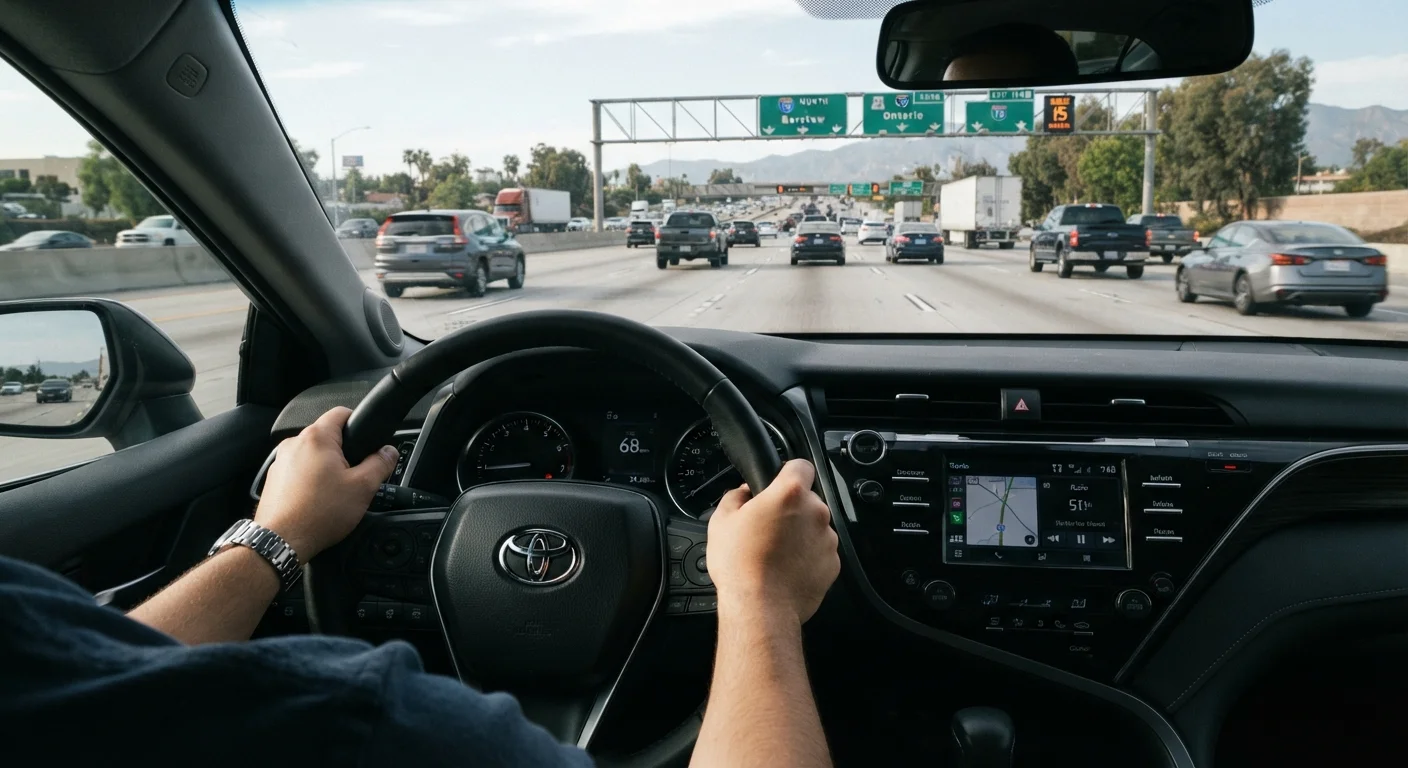
Consider scanning distance as one example. Drivers who focus only on the car directly ahead have a fraction of a second to react to sudden stops. Drivers who habitually scan 10 to 15 seconds ahead - roughly a quarter mile at highway speeds - give themselves time to ease off the throttle, change lanes, or brake gradually rather than abruptly. That extra time is the difference between a close call and a collision.
Build the Scanning Habit Deliberately
If you're used to watching just the car ahead, practice extending your gaze further down the road on your next drive. Identify what's happening two or three vehicles ahead, note brake lights forming, and observe how lane changes ripple backward through traffic. This habit becomes automatic with consistent practice and meaningfully expands your reaction window.
The Core Principles in Practice
Defensive driving isn't a single technique - it's a collection of habits that reinforce each other. The most widely recognized principles include:
- Maintain a safe following distance. The 3-second rule is a commonly cited baseline. In wet or low-visibility conditions, double it. Tailgating eliminates your reaction time and is one of the leading causes of rear-end crashes.
- Expect the unexpected. A green light doesn't guarantee the intersection is clear. A stopped car on a shoulder could pull back into traffic. Pedestrians may cross outside crosswalks. Defensive drivers factor in these possibilities rather than assuming everyone else will behave predictably.
- Control your speed relative to conditions. Posted speed limits reflect ideal conditions. Rain, fog, construction zones, or heavy pedestrian traffic all warrant slower speeds regardless of the posted limit.
- Minimize distractions. Distraction is one of the most studied contributors to crash risk. Common habits that raise crash risk often involve divided attention - eating, adjusting controls, or glancing at a phone.
- Manage space on all sides. Defensive drivers keep an escape route available. Avoid lingering in other drivers' blind spots, leave room to maneuver, and don't get boxed in by trucks or aggressive drivers.
94%
Crashes attributed to human choice or error
According to NHTSA research, approximately 94% of serious crashes involve a critical reason attributed to the driver - underscoring how much behavior influences outcomes.
3 sec
Minimum recommended following distance
Traffic safety organizations including the National Safety Council recommend at least a 3-second following distance under normal conditions, doubled in adverse weather.
~38,000
Annual U.S. traffic fatalities
NHTSA data consistently shows tens of thousands of traffic deaths annually in the U.S., reinforcing why preventive driving practices matter at scale.
Adapting to Different Road Environments
Defensive driving looks different depending on where you're driving. City streets present frequent pedestrian crossings, cyclists, double-parked vehicles, and complex signal sequences. Highways involve higher speeds, merging traffic, and long distances between exits. Each environment demands its own mental adjustments.
Urban driving requires shorter scanning distances but faster visual processing - threats appear closer and change quickly. Highway driving shifts emphasis toward maintaining lane discipline, managing speed differentials with merging vehicles, and avoiding fatigue. The adjustments that differ between highway and city driving are often underappreciated, even by experienced drivers.
Intersections - in any environment - deserve particular attention. Signal phases, turning movements, and pedestrian timing create a concentrated hazard zone. Understanding what signals actually communicate beyond basic colors helps drivers move through intersections with better preparation. Traffic signal meanings beyond red, yellow, and green cover details many drivers overlook.
Defensive Driving Courses Are Widely Available
Many states recognize formal defensive driving courses for traffic school credit, and some insurers acknowledge completion when reviewing premiums - though this varies by provider and policy. Courses are offered through community organizations, online platforms, and driving schools. Check with your state's DMV or motor vehicle authority for approved providers in your area.
Defensive Driving and the Drivers Around You
One of the harder truths about road safety is that you can't control other drivers - only your own behavior. Defensive driving accepts this reality and plans around it. When another driver is tailgating, the defensive response is to create more space ahead, not to brake-check or accelerate. When a driver appears to be drifting or distracted, increasing the gap and staying out of their path is more effective than reacting after contact.
This distinction - proactive positioning versus reactive maneuvering - is central to the defensive mindset. It's also what separates defensive driving from aggressive driving. Road rage and aggressive driving represent the opposite end of the spectrum: emotional reactions that add risk rather than reduce it.
Defensive driving also means recognizing your own limits. Drowsy driving impairs reaction time comparably to alcohol. Driving while emotionally distressed narrows focus. A defensive driver knows when conditions - internal or external - call for pulling over, taking a break, or choosing not to drive at all.