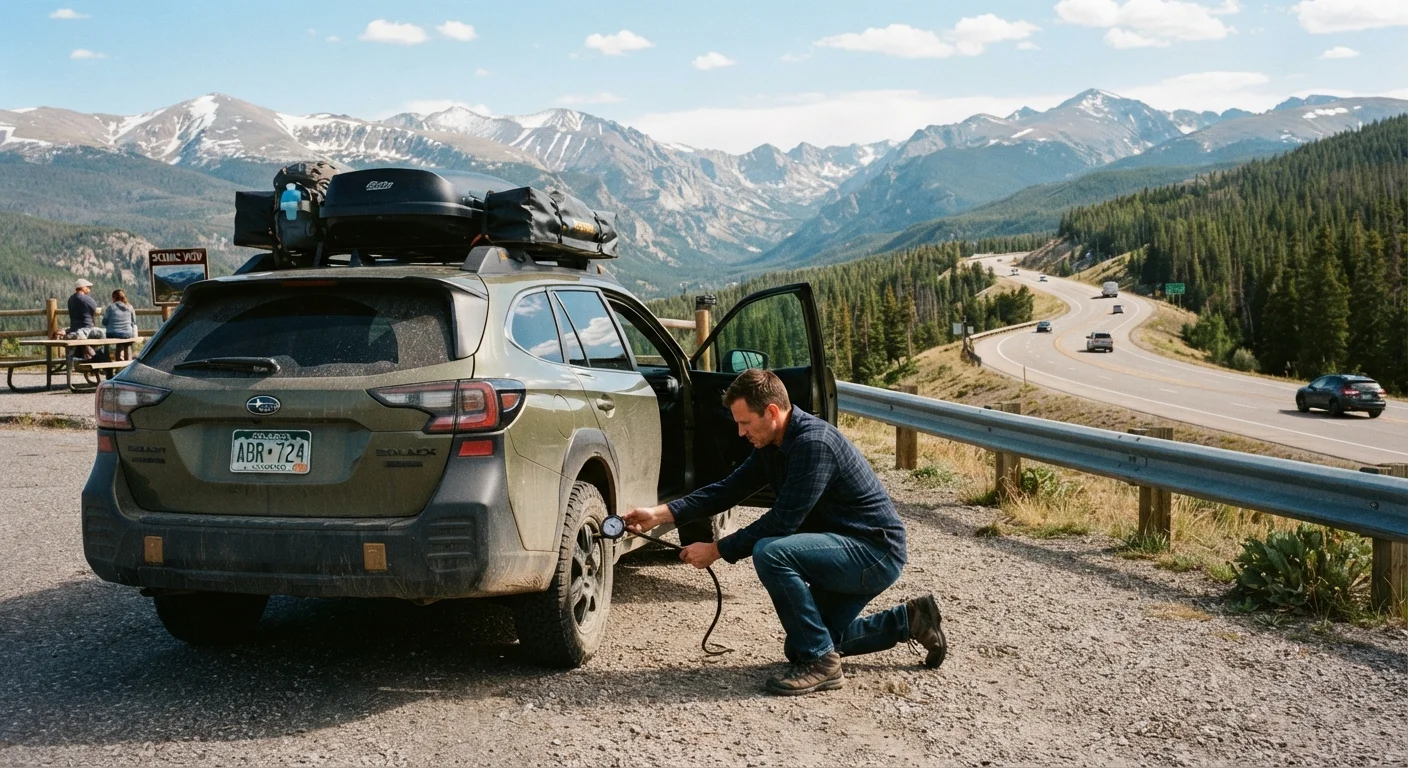
Why a Pre-Trip Checklist Is Non-Negotiable
Long-distance driving places stress on your vehicle that routine commuting simply doesn't. Higher sustained speeds, extended engine run times, and unfamiliar road conditions all expose underlying problems that might otherwise go unnoticed. A vehicle failure at highway speed is considerably more dangerous - and more expensive - than one in a neighborhood. Working through a structured checklist before departure removes guesswork and gives you documented confidence that your car is road-worthy.
This checklist is organized into four practical phases: vehicle systems, safety equipment, personal readiness, and route planning. Work through each group the day before you leave - not the morning of - so any issues can be addressed without rushing. For deeper detail on what to store in your vehicle year-round, see our guide on roadside emergency essentials every car should carry.
Vehicle Systems
Safety Equipment
Driver and Passenger Readiness
Route and Trip Planning
Tools and Resources You'll Need
Most of these checks require basic tools you probably already own or can purchase inexpensively at any auto parts retailer. Gather them before you begin so you can move through the checklist efficiently.
Tire pressure gauge
Accurately measures PSI in each tire so you can inflate or deflate to the manufacturer's specification.
Penny (coin)
Used as a simple tread-depth check - insert it headfirst into the tire groove to gauge remaining tread.
Flashlight or headlamp
Allows you to inspect under-hood components and the spare tire compartment clearly, even in low light.
Vehicle owner's manual
Provides manufacturer-specified fluid types, tire pressures, and service intervals specific to your vehicle.
Portable tire inflator
Lets you correct low tire pressure at home before departure without a trip to a gas station.
Mechanic or quick-lube service
A qualified technician can perform a multi-point inspection and address brake, belt, or battery concerns you may not be able to assess yourself.
Important Notes Before You Begin
Trips Over 500 Miles: See a Mechanic First
For any drive exceeding 500 miles, we strongly recommend scheduling a pre-trip inspection with a qualified mechanic several days before departure. A professional can identify worn belts, weak batteries, marginal brake pads, and other issues that visual checks alone may miss. Catching a $30 problem at home beats a $300 tow and a missed day on the road.
If you're traveling with pets, their comfort and safety in the vehicle requires its own preparation. Our guide on traveling with pets by car covers restraint, anxiety management, and rest-stop planning specifically for animal passengers.
Drivers should also be aware that being well-rested and calm on the road matters beyond the vehicle itself. If you're ever pulled over during your trip, knowing how to handle the interaction safely is equally important - our guide on staying safe during a traffic stop walks through the key steps.
Don't Skip the Spare Tire Check
Many drivers discover their spare tire is flat only after they've already suffered a flat on the highway. The spare should be checked at every oil change interval and always before a long trip. A space-saver spare (the narrow 'donut') also has a maximum speed limit - typically 50 mph - and a limited mileage range, so know your spare's type before you rely on it.
Drowsy Driving Is a Serious Hazard
The National Highway Traffic Safety Administration consistently identifies drowsy driving as a significant factor in fatal crashes. If you feel yourself struggling to keep your eyes open or your lane position consistent, pull off safely at the next available exit or rest area. No schedule is worth the risk.