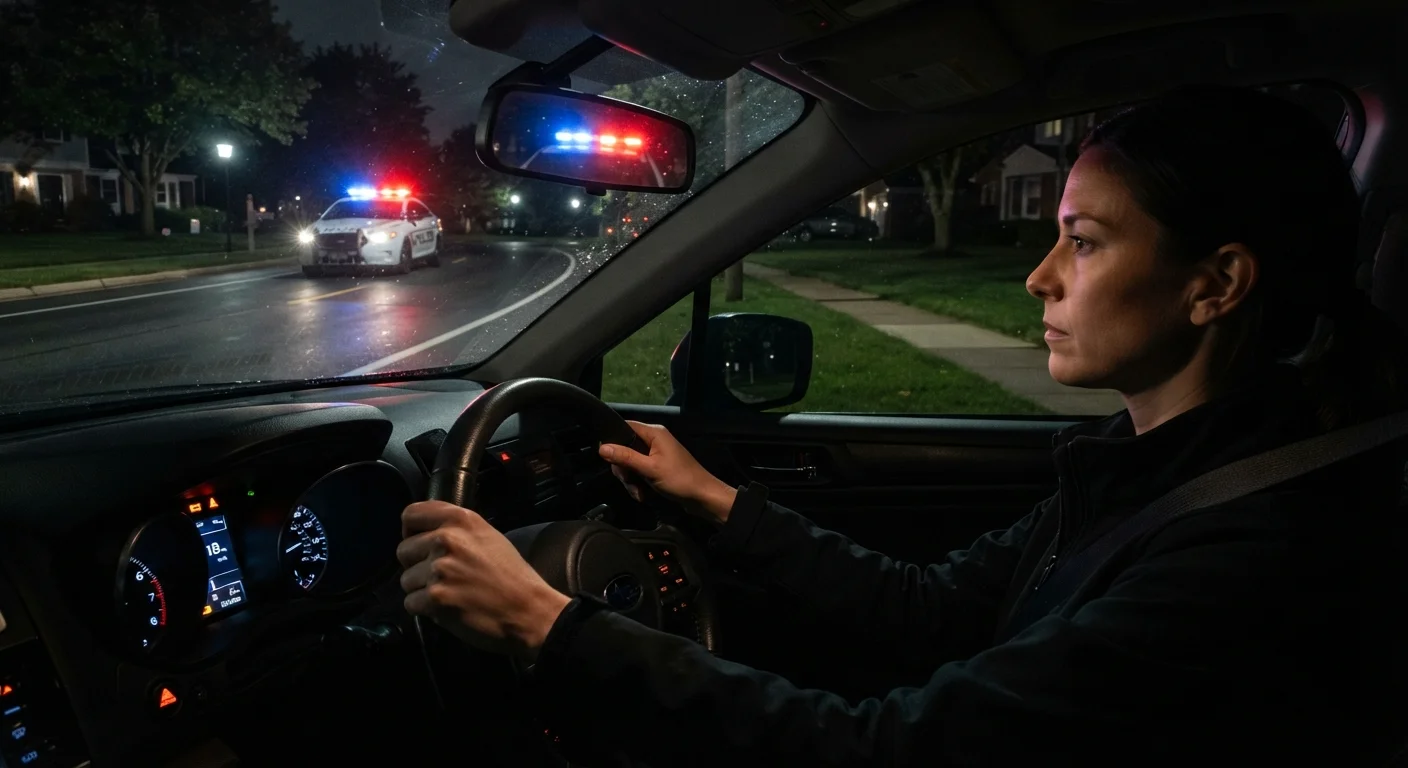
Why How You Respond Matters
Being pulled over is one of the most common - and stressful - interactions drivers have with law enforcement. Whether the stop is for a minor equipment violation or a moving infraction, how you respond in the first few seconds shapes the entire encounter. A calm, cooperative approach helps both you and the officer feel safer and typically results in a smoother interaction.
Traffic stops can carry genuine anxiety, particularly when you're uncertain about the reason for the stop or feel nervous about the encounter. Understanding what officers are trained to look for - and what they expect from drivers - gives you a practical framework to work from. This guide walks through each stage of the stop so you can act with confidence rather than react out of uncertainty.
For a broader look at being prepared on the road, our safety preparation checklist covers the habits and equipment that keep every drive less stressful.
What you will need
Step-by-Step: Handling a Traffic Stop Safely
Follow these steps from the moment you see flashing lights to when the officer sends you on your way. Each stage matters - a consistent, deliberate approach reduces the chance of misunderstanding.
Acknowledge the signal and begin pulling over
As soon as you see police lights or hear a siren directed at you, activate your right turn signal to show the officer you have noticed them. Reduce speed gradually and steer toward the nearest safe stopping point - ideally a well-lit parking lot, wide shoulder, or side street. Avoid stopping abruptly in a travel lane.
Turn off the engine and lower your windows
Once stopped, shift into park (or neutral if driving a manual), turn off the engine, and lower the driver's window fully. If it is dark, turn on your interior dome light - this simple step helps the officer see that your hands are visible and that the interior is not concealed.
Keep your hands visible on the steering wheel
Place both hands on top of the steering wheel and keep them there until the officer instructs you otherwise. Do not reach for your glove box, center console, or bag before the officer approaches - sudden movements in areas where a weapon could be stored are a primary concern for officers during stops.
Greet the officer calmly and listen before speaking
When the officer arrives at your window, greet them politely and let them speak first. Officers typically begin by explaining why they initiated the stop. Listen fully before responding. Avoid volunteering excessive information or making statements that could be self-incriminating - a simple, respectful acknowledgment is appropriate.
Retrieve and present your documents
When asked for your license, registration, and proof of insurance, tell the officer where each document is located before you move to retrieve it. Move slowly and deliberately. Hand documents over in a relaxed manner. If a passenger needs to access the glove box, the driver should inform the officer clearly before the passenger moves.
Follow instructions and wait for the officer to conclude
Do exactly what the officer asks - whether that is staying in the vehicle, stepping out, or waiting while they run your information. Do not exit the vehicle unless instructed to do so. If asked to step out, do so calmly and keep your hands visible. The officer will return your documents and either issue a citation, a warning, or send you on your way.
Keep Your Documents Organized Before You Drive
Store your registration and insurance card in a single document sleeve in your glove box or sun visor pocket. Review expiration dates periodically so you are never caught with lapsed insurance or an expired registration. Our roadside essentials guide includes other items worth keeping in your vehicle for unexpected situations.
After the Stop: What Comes Next
Once the officer has returned your documents and the stop is complete, take a moment before merging back into traffic. Use your turn signal, check your mirrors, and ease back onto the roadway gradually - an abrupt re-entry creates its own hazard.
If you received a citation and disagree with it, the appropriate path is to contest it in court or through the relevant administrative process, depending on your state. Do not argue the ticket at the roadside; that conversation rarely changes the outcome and can escalate unnecessarily.
If you believe the stop or the officer's conduct was improper, note the time, location, officer's name or badge number (from the citation), and any relevant details as soon as possible while your memory is fresh. You can then contact the relevant law enforcement agency's oversight body or consult an attorney.
Know Your Rights - and Exercise Them Calmly
You have constitutional rights during a traffic stop, including the right to remain silent beyond providing identification and required documents (requirements vary by state). If an officer asks to search your vehicle, you may calmly state that you do not consent - however, if the officer proceeds anyway, do not physically resist. Non-compliance with a lawful order or physical resistance carries serious legal consequences. Address those concerns in court, not at the roadside.
Traffic stops and vehicle collisions sometimes occur in the same stressful stretch of driving. If an accident follows, our guide on what to do immediately after a car accident walks through the steps that protect your safety and legal standing.