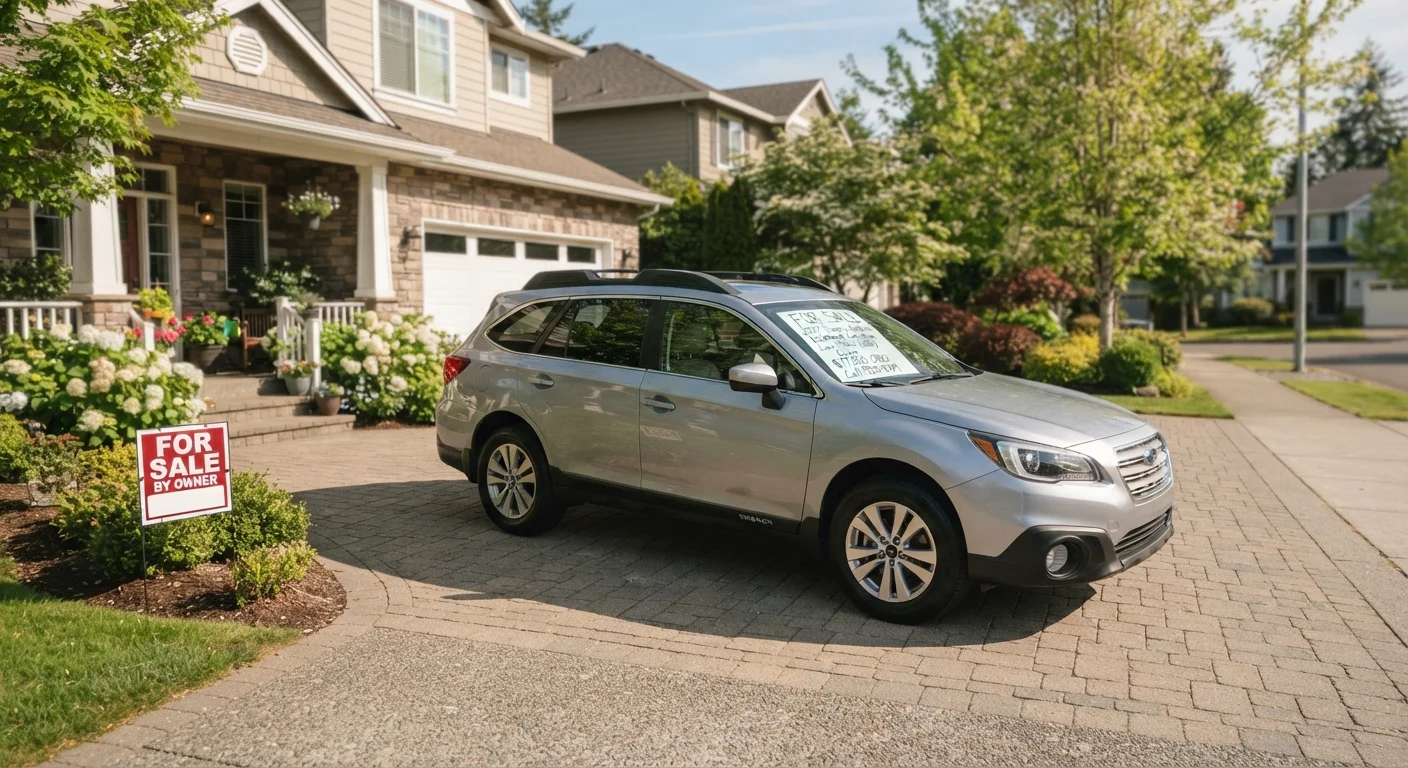
Why Private Sales Take More Work - and Often Pay Off
Selling a car privately typically yields a higher return than trading it in at a dealership, but the gap comes with a trade-off: the seller absorbs the effort a dealer would otherwise handle. Pricing research, listing creation, buyer communication, test drive logistics, and title transfer paperwork all fall on you. Understanding what each stage involves helps you decide whether the process fits your situation. For a direct comparison of both routes, see private sale vs. trade-in.
The process also sits inside a broader ownership journey. If you want full context on vehicle ownership from acquisition through resale, the complete guide to vehicle ownership covers each stage in detail.
Pull a Vehicle History Report First
Obtaining a vehicle history report before you list gives you a clear picture of what buyers will see when they run their own check. It also signals transparency, which builds buyer confidence. Disclosing known issues upfront - rather than waiting for a buyer to discover them - reduces friction and protects you legally.
Before You List: Preparation That Moves the Needle
The condition your car is in when it hits the market directly affects both the price you get and how quickly it sells. Focus preparation efforts where they have the most impact - preparing your car for sale breaks down exactly where your time and money are best spent before listing.
Have your paperwork in order before the first inquiry arrives. Gaps in documentation - a missing title, an unresolved lien, no maintenance records - create friction at the worst possible moment: when a buyer is ready to close.
What you will need
Vehicle Valuation Tool
Establishes a realistic asking price by comparing similar vehicles in your local market.
Bill of Sale Template
Documents the transaction terms, protecting both buyer and seller after the sale.
Vehicle History Report
Gives buyers and sellers a verified record of accidents, ownership, and title status.
Smartphone or Camera
Captures high-quality listing photos that attract more serious inquiries.
OBD-II Scanner
Reads diagnostic trouble codes so you know of any engine issues before buyers ask.
The Step-by-Step Process
The steps below walk through the complete private-sale process from pricing to title transfer. Each stage builds on the last, so skipping ahead - listing before you've confirmed your title situation, for example - often creates problems later.
Establish a realistic asking price
Use multiple valuation sources - such as published guides and active listings for comparable vehicles in your ZIP code - to anchor your price to real market data. Factor in mileage, condition, trim level, and any recent maintenance or upgrades. Set your initial asking price slightly above your target to leave room for negotiation, but not so high that you deter serious buyers from inquiring.
Prepare the vehicle and gather documents
A clean, well-presented car commands stronger offers and fewer lowball attempts. Address minor cosmetic issues, clean the interior thoroughly, and fix any small mechanical problems that are inexpensive relative to their impact on perceived value. Gather your title, maintenance records, warranty documents, and any lien release paperwork. If you still owe money on the vehicle, contact your lender to understand the payoff process before listing.
Write and publish your listing
Your listing is your first impression. Include year, make, model, trim, mileage, transmission type, drivetrain, known issues, recent service history, and your asking price. Take photos in daylight: exterior from all four corners, interior front and rear, odometer, engine bay, and any damage worth disclosing. Vague listings attract lowballers; specific, honest ones attract qualified buyers. For detailed listing guidance, see how to write a private car listing that attracts serious buyers.
Screen inquiries and arrange viewings
Expect a mix of serious prospects and time-wasters. Respond promptly to detailed questions and be wary of buyers who skip the basics (mileage, condition) and jump straight to requesting your address. Arrange viewings in public or well-lit locations during daylight. Confirm the buyer plans to bring payment if they intend to purchase that day.
Conduct the test drive safely
Verify the buyer's driver's license before they drive the vehicle. Your insurance typically covers the car during a test drive, but confirm this with your insurer beforehand. Ride along whenever practical. Keep the route short and stick to familiar roads. Do not hand over keys to someone who arrives with a third party and asks you to wait elsewhere.
Negotiate and agree on a price
Know your floor price - the minimum you will accept - before negotiations begin. Most buyers will make an offer below asking; that is expected. Counter calmly with facts: recent service, low mileage, clean title. Avoid accepting contingencies such as 'I'll pay the rest next week.' A private sale should close in a single transaction.
Complete payment and transfer the title
Accept only safe payment forms. Once payment is confirmed, sign the title over to the buyer per your state's DMV requirements - this typically involves signing the back of the title, recording the odometer reading, and noting the sale date and price. Complete a bill of sale for both parties. Notify your state DMV of the sale to release yourself from future liability, and cancel your insurance after confirming the transfer is complete.
Never Accept Personal Checks
Personal checks can bounce days after a transaction is complete, leaving you without the car and without the money. For private vehicle sales, insist on a cashier's check from a known bank - verify it with the issuing institution before handing over keys - or use a verified electronic wire transfer. Cash is acceptable for lower-value transactions but carries its own risks.
After the Sale: Closing Out Your Obligations
Once the transaction is complete, your responsibilities don't immediately end. Notify your state DMV of the sale using whatever form or online process your state requires - this formally removes your liability for the vehicle going forward. Contact your insurer to cancel or adjust your policy. Keep a copy of the signed bill of sale and any other transaction documents for your records.
If the buyer is financing their purchase independently, confirm that the title transfer process your lender requires has been followed to the letter - incomplete transfers can create title clouds that surface months later. For background on how buyers approach vehicle transactions from the other side, see private seller vs. dealership.
Test Drive Safety Is Your Responsibility
Always ask to see the prospective buyer's valid driver's license before handing over keys, and consider photographing it with their permission. Ride along for test drives whenever possible. Avoid scheduling drives at night or in isolated locations, and let someone you trust know the meeting details in advance.