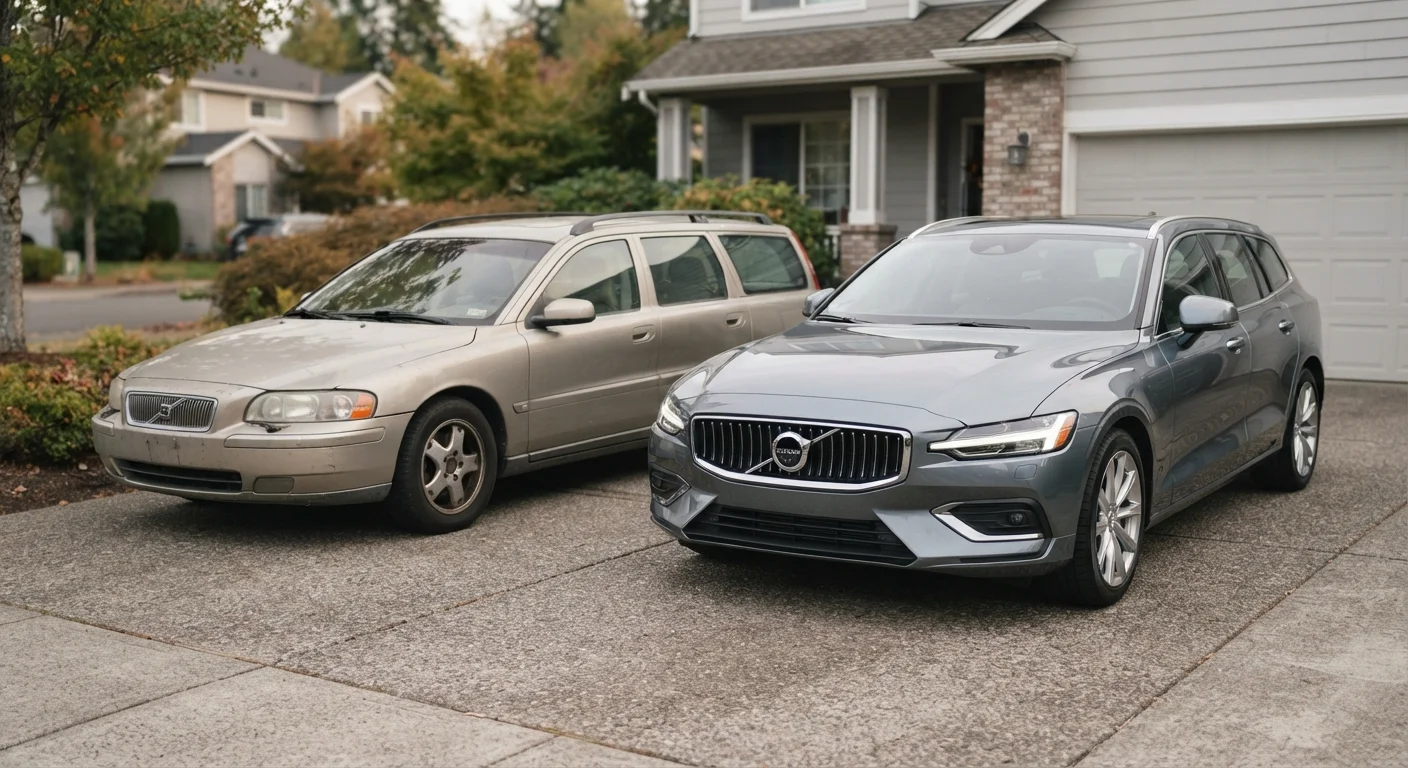
How Depreciation Works
When you purchase a new vehicle, its value begins declining almost immediately. Depreciation is not a flaw or a surprise - it is a predictable financial reality of vehicle ownership. The sharpest losses occur early: industry data consistently shows that many new cars lose a substantial portion of their value within the first year, with the steepest cumulative drop happening in years one through three.
After that initial cliff, depreciation tends to level off. A five- or six-year-old vehicle may lose value more gradually, since the biggest drop has already occurred. This curve is central to understanding why timing matters so much in both buying and selling decisions.
Depreciation is part of the true cost of owning a car - one that doesn't show up as a line item on your monthly budget but can represent thousands of dollars over a typical ownership period.
~20%
Average first-year depreciation for new vehicles
Industry valuation guides and automotive research consistently show new cars lose roughly 15-25% of their value in year one, with the average clustering around 20%.
40-60%
Value lost by many cars within five years
Long-term depreciation studies show that a significant share of vehicles retain less than half their original purchase price after five years of ownership.
Year 1-3
Period of steepest depreciation
The sharpest value declines typically occur in the first three years of a vehicle's life, after which the rate of loss tends to slow considerably.
Key Factors That Accelerate or Slow Depreciation
Not all vehicles depreciate at the same rate. Several factors directly influence how quickly a car loses market value:
- Mileage: Higher mileage signals more wear and typically reduces resale value. Vehicles driven well above the national average mileage per year will generally depreciate faster.
- Condition: Dents, interior wear, mechanical issues, and accident history all reduce a vehicle's appeal to future buyers and, therefore, its market value.
- Make and model reputation: Vehicles with strong reliability track records and brand loyalty tend to hold value better than those perceived as less dependable.
- Market demand: Fuel prices, consumer preferences, and economic conditions all shift what buyers want. A truck or SUV may hold value well in one market environment but soften in another.
- Trim level and features: Well-equipped vehicles in popular configurations often attract stronger resale interest than base or unusual trim levels.
- Color: Neutral, widely preferred colors like white, gray, and black typically resell more easily than highly personalized shades.
Protect Your Vehicle's Resale Value
Keeping detailed service records, addressing minor cosmetic issues promptly, and staying within a reasonable mileage range can all help preserve your vehicle's market value over time. When it comes time to sell or trade in, a documented maintenance history signals to buyers and dealers that the vehicle was well cared for.
Why Depreciation Matters for Ownership Decisions
Understanding depreciation changes how you think about buying, selling, and insuring a vehicle. For buyers, it surfaces the real long-term cost comparison between a new car and a used one that has already absorbed the steepest value drop. For sellers and traders, it explains why a vehicle's trade-in offer may feel low - the market is simply reflecting accumulated depreciation.
Depreciation also has a direct impact on insurance. Most standard auto insurance policies pay out a vehicle's actual cash value at the time of a loss - meaning depreciation has already been deducted from the payout. This can leave owners with a gap between what they owe on a loan and what the insurer pays. For more on this, see how depreciation affects insurance claims.
Finally, depreciation shapes long-term ownership economics. Drivers who keep a vehicle for ten or more years spread that initial value loss across a much longer timeline, which can work in their favor financially. The financial comparison of long-term ownership versus frequent upgrades makes this tradeoff visible.
Using Depreciation to Make Smarter Decisions
Depreciation knowledge is a practical tool, not just an abstract concept. Buyers who understand the depreciation curve can look for vehicles that are two to four years old - past the steepest early losses but still in solid condition - and get significantly more value per dollar spent. This is what is often called the used car sweet spot.
Sellers benefit from knowing when their vehicle's depreciation has leveled enough to justify selling before another wave of value decline. And owners planning their finances over time - whether at different life stages or while managing savings and debt - can factor in expected depreciation as part of a realistic transportation budget.
No strategy eliminates depreciation, but understanding it allows you to anticipate costs, make better-timed decisions, and avoid being caught off guard when a trade-in offer or insurance settlement reflects a vehicle's true current value rather than what you paid.
This article is for general informational and educational purposes only and does not constitute financial, insurance, or professional advice. Consult a licensed professional for guidance specific to your situation.