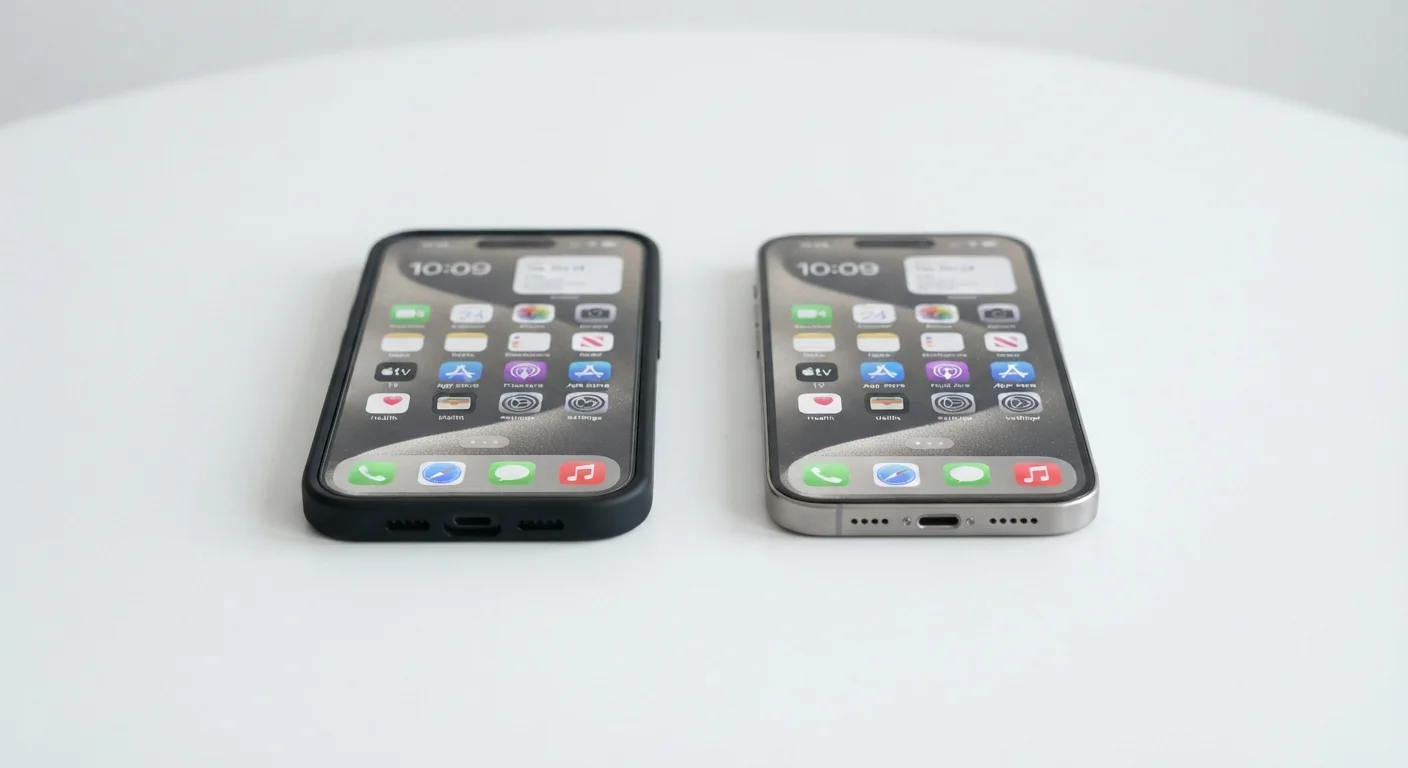
Why This Decision Actually Matters
Smartphones represent a significant personal investment - often $500 to well over $1,000 - and how you protect (or don't protect) that investment has real consequences. A cracked screen repair can cost $150-$300 depending on the model, and replacing a phone outright because of avoidable damage is even more expensive. At the same time, the case industry has grown into a multi-billion-dollar market filled with options ranging from paper-thin films to rugged, military-grade shells, which means the decision carries more nuance than it used to.
The choice also intersects with resale value. If you plan to trade in or recycle your phone at some point, the physical condition of the device directly affects what you'll receive. Understanding the genuine trade-offs - not just the marketing claims - is worth a few minutes of your time.
The Case for Using a Case
The primary argument for a case is straightforward: it absorbs and redistributes impact energy that would otherwise be transferred to your phone's glass and frame. Even phones marketed as drop-resistant have limits, and manufacturers' ratings are tested under controlled conditions that may not reflect how or where you actually drop a device.
Substantially reduces damage from accidental drops
A well-fitted case absorbs and spreads impact energy, dramatically lowering the chance of a cracked screen or dented frame. Even basic silicone cases offer meaningful protection for the corners, which absorb the most stress during a fall.
Improves grip on slippery glass-backed phones
Most premium smartphones use polished glass backs that are prone to slipping. A textured or rubberized case adds friction, reducing how often drops occur in the first place - not just how bad they are when they happen.
Protects resale or trade-in value
A phone in excellent cosmetic condition commands higher trade-in offers than one with scratches or scuffs. Using a case from day one is one of the simplest ways to preserve that value.
Adds utility through card slots and stands
Many case designs incorporate card holders, kickstands, or mounting compatibility, turning the case into a functional accessory rather than just a protective one.
Shields against dust and minor liquid splashes
While not a substitute for a phone's own IP rating, a case creates a physical barrier that can keep debris away from ports and cameras during everyday use.
Beyond drop protection, cases add meaningful grip. Glass-backed phones - now common across mid-range and premium segments - are notoriously slippery, and a textured case can meaningfully reduce the frequency of drops in the first place. Wallet cases and card-slot cases also add everyday utility, consolidating what you carry.
The Case Against Using a Case
Going caseless isn't just a vanity choice. There are legitimate functional reasons some users skip the case entirely, and dismissing them misses part of the picture.
Adds bulk and changes the phone's ergonomics
Even slim cases add measurable thickness and weight. On larger phones, this can make one-handed use more difficult and the device harder to fit in tight pockets.
Can trap heat during intensive tasks
Silicone and plastic cases reduce airflow around the phone's body, which can cause the processor to run warmer under sustained workloads like gaming or video recording - potentially triggering performance throttling.
Conceals premium design and materials
Manufacturers invest heavily in the look and feel of flagship devices - titanium frames, color-shift glass, contoured edges. A case hides all of that, which is a genuine trade-off for design-conscious buyers.
Can introduce new wear points over time
Dust and grit trapped between a poorly fitted case and the phone's surface can scratch the finish more than careful caseless use would. Removing and cleaning cases regularly helps, but many users don't.
Ongoing cost for frequent case switchers
Quality cases range from $15 to over $60, and users who swap cases regularly - seasonally or for style - accumulate a not-insignificant accessory expense over a device's lifetime.
Heat management is one underappreciated factor. Modern processors - particularly during gaming, video recording, or navigation - generate significant heat. Cases made from plastic or silicone can trap that heat, potentially causing the phone to throttle its performance to avoid overheating. If you regularly push your device during intensive tasks, a case can be a subtle performance drag.
Bulk and ergonomics matter too, especially as phones have grown larger. Adding a case to an already large device can make one-handed use noticeably harder. And if you've invested in a phone specifically for its industrial design - premium glass finishes, color gradients, titanium frames - a case obscures the very thing you paid for. For careful users with steady hands, the practical risk calculus may simply not justify the trade-off.
IP Ratings Don't Replace Case Protection
Many modern phones carry IP67 or IP68 water-resistance ratings, which can create a false sense of invulnerability. These ratings address water ingress under controlled test conditions - not drops onto concrete or the cumulative effect of daily handling. Water resistance can also degrade over time as seals age, so an IP rating should inform - not replace - your protection strategy.
Factors That Should Actually Drive Your Decision
Rather than defaulting to habit or peer pressure, a few concrete questions can sharpen your thinking:
- How often do you drop your phone? If it's rare - and you're honest with yourself - a slim case or no case may be reasonable. Frequent droppers should lean toward at least a basic bumper case.
- What's your environment? Construction sites, outdoor recreation, and kitchens warrant more protection than an office desk.
- Do you have insurance or an extended warranty? Some carrier plans and third-party protection programs reduce the financial sting of a cracked screen, which changes the risk math.
- How long do you keep phones? A three-year ownership cycle with heavy daily use and no case is a higher-risk proposition than a two-year cycle with careful handling.
It's also worth noting that this decision doesn't have to be permanent. Some users keep a case for travel or outdoor use and remove it in low-risk environments. Managing your phone's software setup thoughtfully - like reviewing the privacy settings every smartphone owner should check - matters as much as the physical protection you choose.
~50%
Smartphone owners who have cracked a screen
Consumer surveys conducted by various tech research groups consistently find roughly half of smartphone users report having cracked a display at some point during ownership.
$150-$300
Typical out-of-pocket screen repair cost
Repair costs vary by model and service provider; manufacturer repair programs and third-party shops both serve this market, with premium flagship screens at the higher end of the range.
Finding a Middle Ground
For users who want some protection without significant compromise, a few options thread the needle effectively. Ultra-thin hard cases add minimal bulk while offering scratch and minor-drop protection. Screen protectors - tempered glass in particular - address the most expensive repair scenario (screen damage) without affecting the phone's profile at all. And MagSafe-compatible or grip-ring accessories can improve handling without a traditional case.
The broader point is that phone protection is a spectrum, not a binary. Just as the thin-and-light laptop trade-off requires you to weigh portability against capability, the case decision requires you to weigh convenience and aesthetics against risk and cost. Neither side of the debate holds a monopoly on good judgment - it depends entirely on who you are and how you use your device.