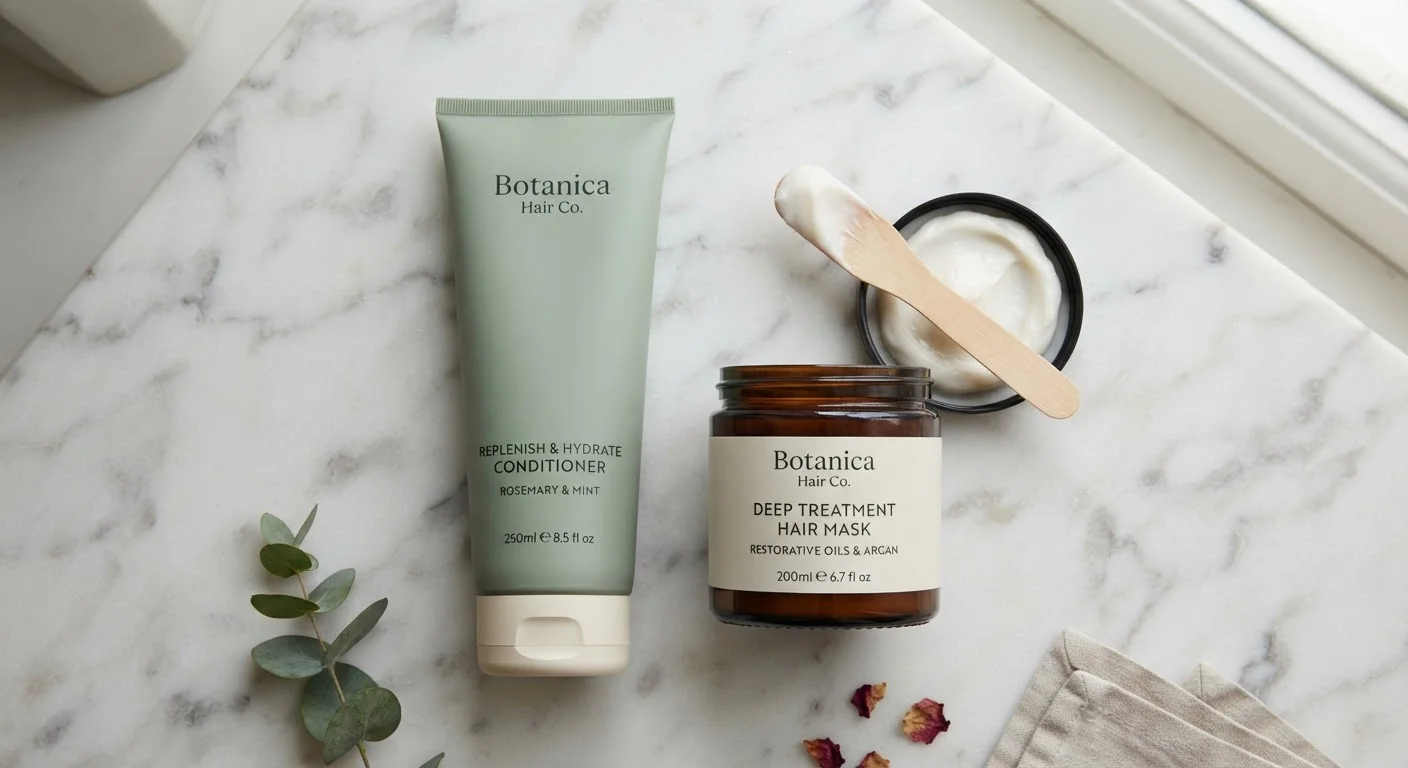
The Confusion Is Understandable - Here's Why They're Different
Both conditioner and hair masks promise softer, healthier-looking hair. Both are applied after shampooing and rinsed out. So it's completely reasonable to wonder if one is just a fancier (or pricier) version of the other. The honest answer: they are genuinely different products built around different goals, formulas, and timing.
A rinse-out conditioner is formulated for quick contact - typically one to three minutes - and works primarily at the hair's surface. Its job is to temporarily smooth the cuticle (the outermost scaly layer of each strand), reduce friction, improve manageability, and lock in a small amount of moisture after every wash. Think of it as routine maintenance.
A hair mask (sometimes called a deep conditioner) uses a richer, more concentrated formula and needs longer contact time - usually five to thirty minutes - to allow active ingredients to penetrate more deeply into the cortex, the inner structure of the hair shaft. It's designed for genuine repair and restoration, not just surface smoothing. For a fuller picture of what's happening structurally during your wash routine, see our guide to what shampoo and conditioner actually do.
How the Formulas Differ
The distinction shows up clearly in the ingredient lists. Rinse-out conditioners lean on lightweight cationic (positively charged) compounds - like cetrimonium chloride - that bind quickly to negatively charged hair to reduce static and seal the cuticle. They also contain silicones and emollients in lower concentrations to add slip and shine without buildup.
Hair masks tend to be heavier in proteins (such as hydrolyzed keratin or wheat protein), humectants (ingredients that draw moisture into the strand), and penetrating oils like coconut or avocado oil that can pass through the cuticle with sustained contact. This is what makes masks genuinely reparative rather than just smoothing - but it also means overusing them can cause protein overload or limpness in fine hair.
| Rinse-Out Conditioner | Hair Mask | |
|---|---|---|
| Primary function | Cuticle smoothing, detangling, surface moisture | Deep repair, moisture restoration, bond strengthening |
| Contact time | 1-3 minutes | 5-30 minutes |
| Formula weight | Lightweight to medium | Rich, concentrated |
| Key ingredients | Cationic compounds, light silicones, emollients | Proteins, penetrating oils, humectants |
| Recommended frequency | Every wash day | 1-2 times per week |
| Best for | All hair types, everyday maintenance | Dry, damaged, color-treated, or coarse hair |
Just as skincare products serve distinct timing-based roles - something our AM vs. PM skincare guide explores - hair products are engineered for specific jobs, not general ones.
When to Use Each One
The practical answer for most people: use conditioner every time you shampoo, and use a hair mask once or twice a week depending on your hair's needs.
A Simple Rule for Mask Timing
Apply a hair mask after shampooing on a day when you have a few extra minutes - even 10 minutes under a shower cap can meaningfully boost penetration. Gently squeeze out excess water before applying, since waterlogged hair absorbs ingredients less effectively. On mask days, skip the separate rinse-out conditioner; the mask covers that step.
- Fine or oily hair: Apply conditioner from mid-shaft to ends only to avoid weighing down roots. Limit masks to bi-weekly and choose a lighter, protein-based formula.
- Dry, coarse, or curly hair: Conditioner is still a wash-day essential, but a weekly mask can be a genuine game-changer for moisture retention and softness.
- Color-treated or heat-damaged hair: Both products earn their place here. The mask helps rebuild weakened bonds over time; the conditioner protects between treatments.
One thing to note: using a mask in place of conditioner every single wash day isn't recommended for most hair types. The heavy formulas can cause buildup and may actually make hair feel dull or stiff over time - the opposite of what you're after. For readers curious about alternative washing approaches, our co-washing vs. shampooing comparison covers how cleansing choices affect conditioning needs.
Building a Routine That Uses Both
The goal isn't to choose one product over the other - it's to understand that they work as a team. A solid weekly rhythm might look like: conditioner on every wash day, a mask on the days when hair feels especially dry, dull, or post-heat-styled. On mask days, you can skip the separate conditioner step since the mask provides more than enough smoothing on its own.
If you're building out a broader self-care routine, the same principle applies across categories: different products solve different problems, and clarity about those roles saves both money and frustration. Our piece on toners, essences, and mists shows how that logic plays out in skincare, too.
The bottom line? Both products deserve a place in your routine - just not the same place.