Why Retailers Don't Just Charge What Things Cost
Every price tag you see is the result of a deliberate business decision - not a neutral reflection of what something is worth. Retailers start with their wholesale or production cost, then layer on factors like overhead, competitive positioning, perceived value, and profit targets before arriving at a shelf price.
This means two identical products can carry very different prices depending on where they're sold and who the store is trying to attract. A grocery chain focused on high volume may accept a slim margin on staples. A specialty retailer may price the same item much higher, betting that customers associate cost with quality. Neither price tells you what the item is objectively worth.
Understanding this gap - between cost and price - is the foundation of smarter shopping. For a deeper look at the strategies and consumer mindsets covered in this guide, visit the Buying Smart hub.
Reference price
A higher price displayed alongside a sale price to make the discount appear larger. Also called a 'was' price or 'original' price.
Keystone pricing
A retail markup method where the selling price is set at double the wholesale cost - a 100% markup used as a common industry baseline.
Unit price
The cost of a product per standard unit of measure (such as per ounce or per sheet), allowing fair comparison across different package sizes.
Dynamic pricing
A strategy where prices change automatically based on demand, time, or inventory levels - common in e-commerce and travel booking.
Value-based pricing
Setting a price based on how much customers are willing to pay rather than what the product costs to make or source.
Psychological pricing
Using price points like $9.99 instead of $10 to make a price feel lower, exploiting how people tend to read numbers from left to right.
Common Pricing Models You'll Encounter
Retailers use several established pricing models. Recognizing them helps you evaluate whether a price is reasonable before you buy.
- Cost-plus pricing: The retailer adds a fixed percentage markup to their cost. Keystone pricing - a 100% markup - is a common benchmark in general retail, though margins vary significantly by category.
- Competitive pricing: Prices are set in relation to what rivals charge. This can benefit shoppers in highly competitive categories, but it also means prices move together across stores, limiting real savings from switching.
- Value-based pricing: Prices are set according to what the retailer believes customers are willing to pay - often disconnected from actual production cost. Luxury goods and brand-name products frequently use this model.
- Dynamic pricing: Prices shift in real time based on demand, inventory, or time of day. This is common in travel and e-commerce, and it means the price you see on Monday may not be available on Tuesday.
Knowing which model a retailer tends to use in a given category lets you calibrate your expectations and decide whether comparison shopping is likely to pay off.
How 'Sales' Actually Work
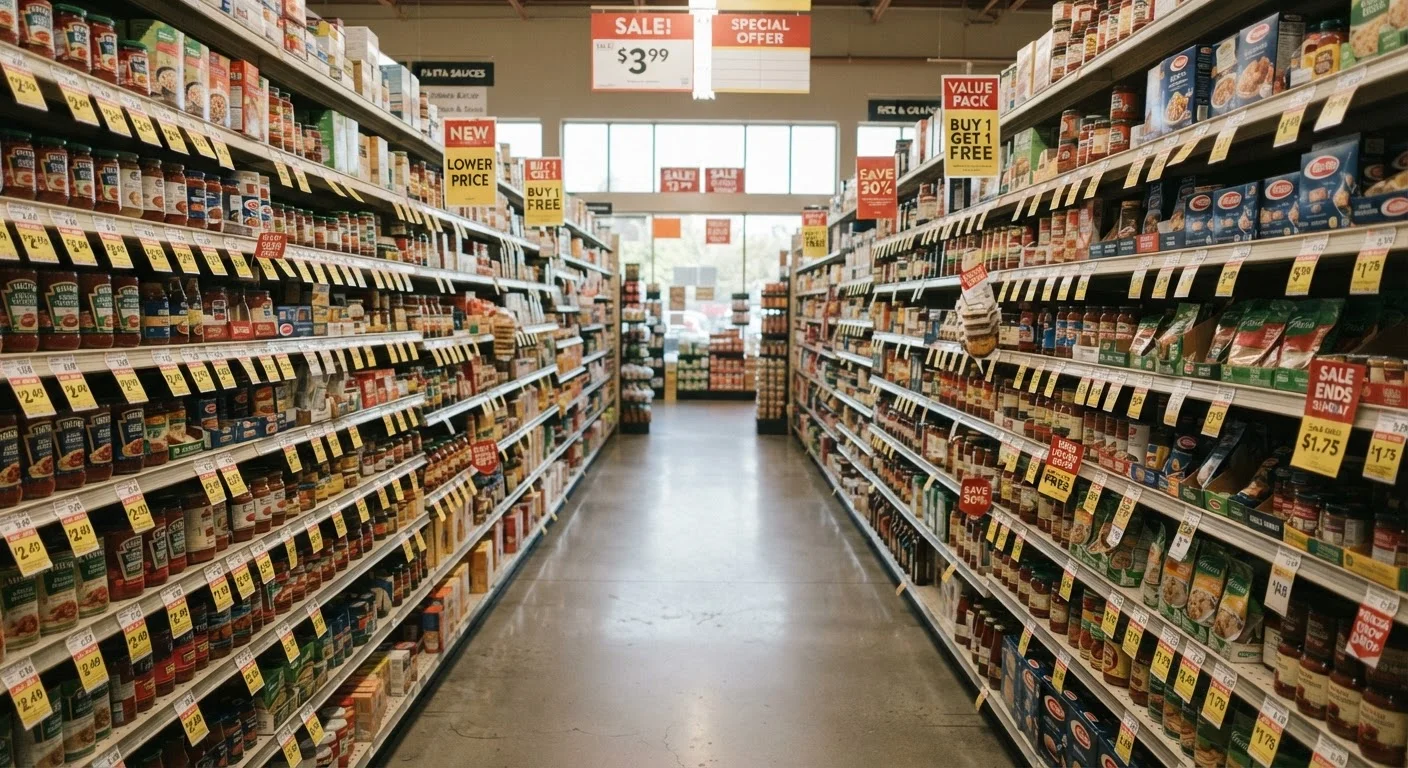
Sales feel like a reward, but they're primarily a revenue tool. Retailers use time-limited discounts to move inventory, attract foot traffic, and create a sense of urgency. The mechanics matter.
A core tactic is the use of a reference price - a higher figure, often labeled 'original' or 'was,' shown alongside a sale price to make the discount look substantial. The Federal Trade Commission has noted that reference prices can mislead consumers when the 'original' price was never meaningfully offered for any real period of time. This is the psychological mechanism explored in depth in how anchoring bias shapes your perception of deals.
A more reliable approach than reacting to sale tags: track the actual price of items you buy regularly over several weeks. Free browser extensions and shopping apps record price history on many retail sites, letting you judge whether a 'sale' price is genuinely lower than the norm.
Reference Prices Can Mislead
A crossed-out 'original' price is not a guarantee that the item ever regularly sold at that figure. Consumer protection regulators, including the FTC, have established guidelines on when reference prices constitute deceptive advertising. If a sale price feels too dramatic to be real, it may be worth verifying the item's price history independently before assuming you're getting a genuine deal.
For everyday groceries and household goods, the most consistent tool is unit pricing - comparing cost per ounce, per sheet, or per serving rather than package price. Learn how to use shelf labels effectively in unit pricing demystified.
Building a Smarter Shopping Mindset
Awareness of pricing strategy doesn't mean suspecting every retailer of bad faith - it means evaluating prices on your own terms rather than reacting to how they're presented. A few durable habits help:
- Separate need from nudge. Ask whether you intended to buy something before you saw the promotion. If the deal created the desire, that's worth noticing.
- Use objective comparisons. Unit price, price history, and cross-retailer checks give you data that's harder to manipulate than a sale sign.
- Budget before you browse. Knowing what you plan to spend in a category makes it easier to recognize when a 'deal' is pulling you outside your plan. The Budgeting Basics hub offers practical frameworks for this.
- Recognize influence tactics. Store layout, countdown timers, limited-quantity messaging, and bundled offers are all documented techniques. Tactics retailers use to influence spending covers the most common ones in detail.
Pricing is a system designed to work in the retailer's interest. That's not inherently unfair - but it does mean the responsibility for evaluating value rests with the shopper. These tools and habits shift that balance.
Track Before You Buy
Before acting on a sale, check whether the 'sale' price is actually lower than recent normal pricing. Several free browser extensions log price history on major retail websites. If a product has been at its 'sale' price for weeks, the discount label is doing more work than the discount itself.