What the Appraisal Process Actually Looks Like
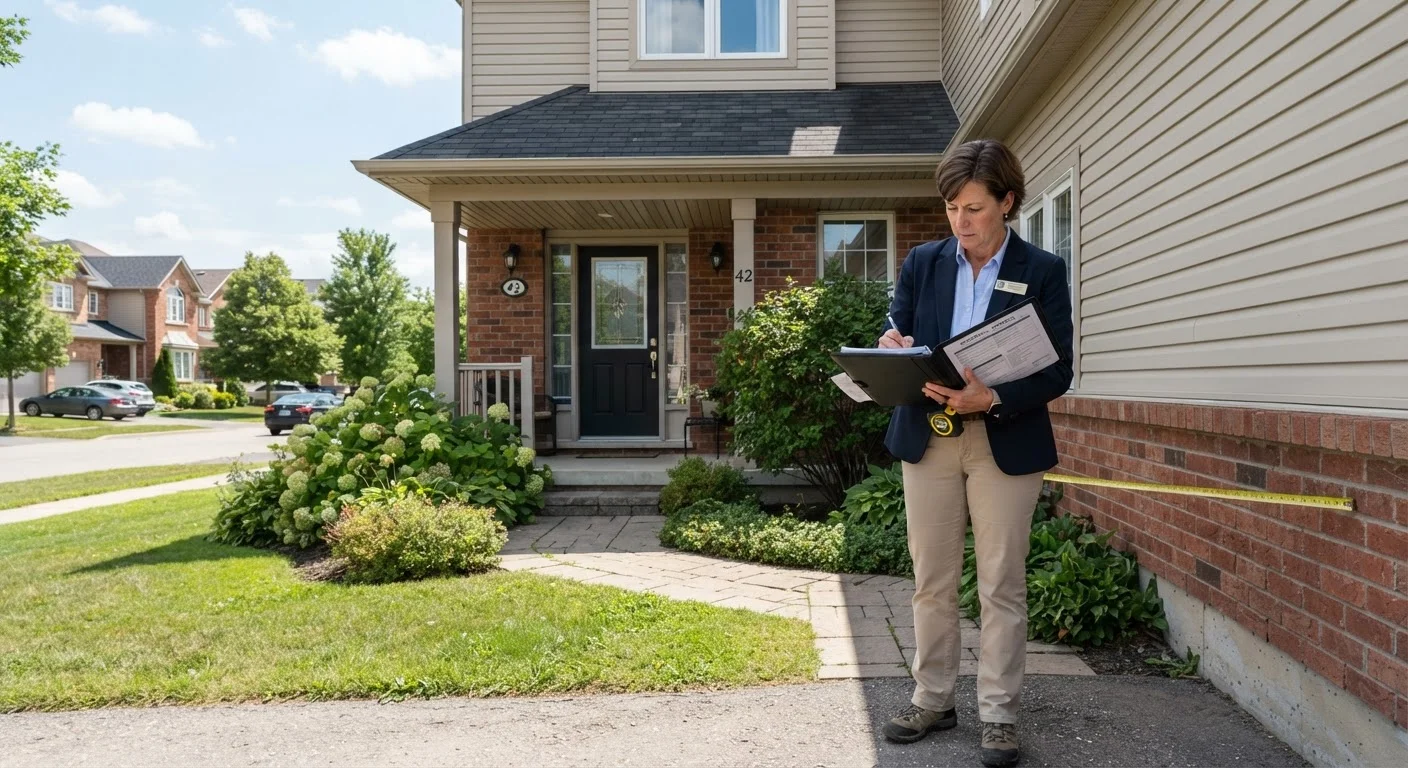
Once a purchase contract is signed and a mortgage application is underway, the lender engages a licensed appraiser - typically through an Appraisal Management Company (AMC) - to conduct an independent valuation. The appraiser schedules an on-site visit, walks through the property, notes its condition, size, layout, and features, and photographs key areas.
After the inspection, the appraiser researches recent sales of comparable properties nearby - referred to as "comps" - and adjusts for differences between those homes and the subject property. The result is a formal written report that states an estimated market value. This report goes to the lender, not directly to the buyer or seller, though buyers are legally entitled to receive a copy.
It's worth understanding early that the appraiser works for the lender, not for any party to the transaction. Their job is to give the lender an objective, defensible value - not to make the deal work. For a broader look at how this fits into the mortgage timeline, see the role of a home appraisal in the mortgage process.
Be Present - But Don't Interfere
Sellers should make the home easy to access and presentable for the appraiser's visit. It's fine for a listing agent to provide a list of recent improvements or comparable sales, but attempting to influence the appraiser's conclusion is prohibited. Let the data make the case.
Why a Low Appraisal Creates Problems
When an appraisal comes in at or above the contract price, the transaction moves forward smoothly. When it comes in below - which happens more frequently in fast-rising or highly competitive markets - a financing gap appears.
Lenders calculate the loan amount based on the lesser of the purchase price or appraised value. If a buyer agreed to pay $450,000 but the appraisal returns $425,000, the lender treats $425,000 as the value ceiling. The buyer must cover the $25,000 gap from their own funds, renegotiate with the seller, or walk away - assuming their contract includes an appraisal contingency.
~12%
Share of appraisals that come in below contract price
Industry surveys have consistently found that roughly one in eight purchase appraisals returns below the agreed sale price, with the rate rising in fast-appreciating markets.
$300-$600
Typical cost of a residential appraisal
Costs vary by property type, location, and complexity; larger or unique properties can cost more, and buyers generally pay this fee as part of closing costs.
A low appraisal is one of the more common reasons deals collapse in escrow. For a full picture of what else can derail a transaction, see why homes fall out of escrow.
Options When the Appraisal Is Below Contract Price
A low appraisal is not automatically a deal-killer. Buyers and sellers have several paths forward:
- Seller reduces the price to match the appraised value, keeping the deal intact without the buyer adding cash.
- Buyer covers the gap by bringing additional funds to closing - only a realistic option if the buyer has the reserves and considers the price justified.
- Both parties split the difference, meeting somewhere between the appraised value and the contract price through negotiation.
- Request a Reconsideration of Value (ROV) - the buyer, through the lender, can formally dispute the appraisal and submit additional comparable sales data the appraiser may have missed. This process is legitimate but not guaranteed to change the result.
- Walk away - if the contract includes an appraisal contingency, the buyer can exit without penalty and receive their earnest money deposit back.
Sellers who feel the appraisal is inaccurate can also provide the appraiser with relevant comparable sales data through the buyer's lender. Directly contacting an appraiser to pressure a revision, however, is not permitted and can violate appraisal independence rules.
Appraisal Contingencies Protect Buyers
Most standard purchase contracts include an appraisal contingency - a clause that allows buyers to exit the deal without losing their earnest money if the appraisal comes in below the purchase price. Buyers who waive this contingency (sometimes done in competitive markets) take on real financial risk. Review any contingency language carefully with your agent or attorney before signing.
How to Reduce Appraisal Risk Before It Becomes a Problem
Both buyers and sellers can take practical steps before an appraisal occurs to reduce the likelihood of a gap.
For sellers: Ensure the home is clean, accessible, and in good repair before the appraiser visits. Document any improvements - updated HVAC, roof replacement, kitchen renovation - with dates and costs. Appraisers note condition carefully, and evidence of upgrades can support a higher value conclusion.
For buyers: Work with your agent to review recent comparable sales in the area before making an offer. If you're bidding significantly above recent comps in a competitive market, understand that an appraisal gap is a real possibility and have a plan. An understanding of pre-approval versus pre-qualification can also help clarify your financial flexibility before you reach this stage.
A knowledgeable buyer's agent is also a meaningful asset here. Understanding what your agent can and cannot do is covered in what a buyer's agent does - and what they don't.
This article is for general informational purposes only and does not constitute financial, legal, or real estate advice. Consult a licensed professional for guidance specific to your situation.