Why Lenders Require an Appraisal
When a lender issues a mortgage, the home itself serves as collateral. If the borrower stops making payments, the lender needs confidence that the property can be sold to recover what was lent. An appraisal provides that assurance by establishing an independent, evidence-based opinion of what the home is worth on the open market.
This protects the lender from a situation where the loan exceeds the property's actual value - a condition sometimes called being "underwater." It also creates a check against inflated purchase prices in competitive markets. Because the lender's exposure is tied directly to the property's value, the appraisal is a non-negotiable step in nearly every mortgage transaction.
For a broader look at what lenders scrutinize before approving a loan, see what mortgage lenders look for beyond your credit score.
Appraisal Independence Rules
Federal guidelines prohibit lenders, real estate agents, and borrowers from pressuring appraisers to reach a specific value. Appraisers are required to operate independently and base their conclusions solely on market evidence. Attempts to influence the appraisal outcome may constitute mortgage fraud.
What Appraisers Evaluate
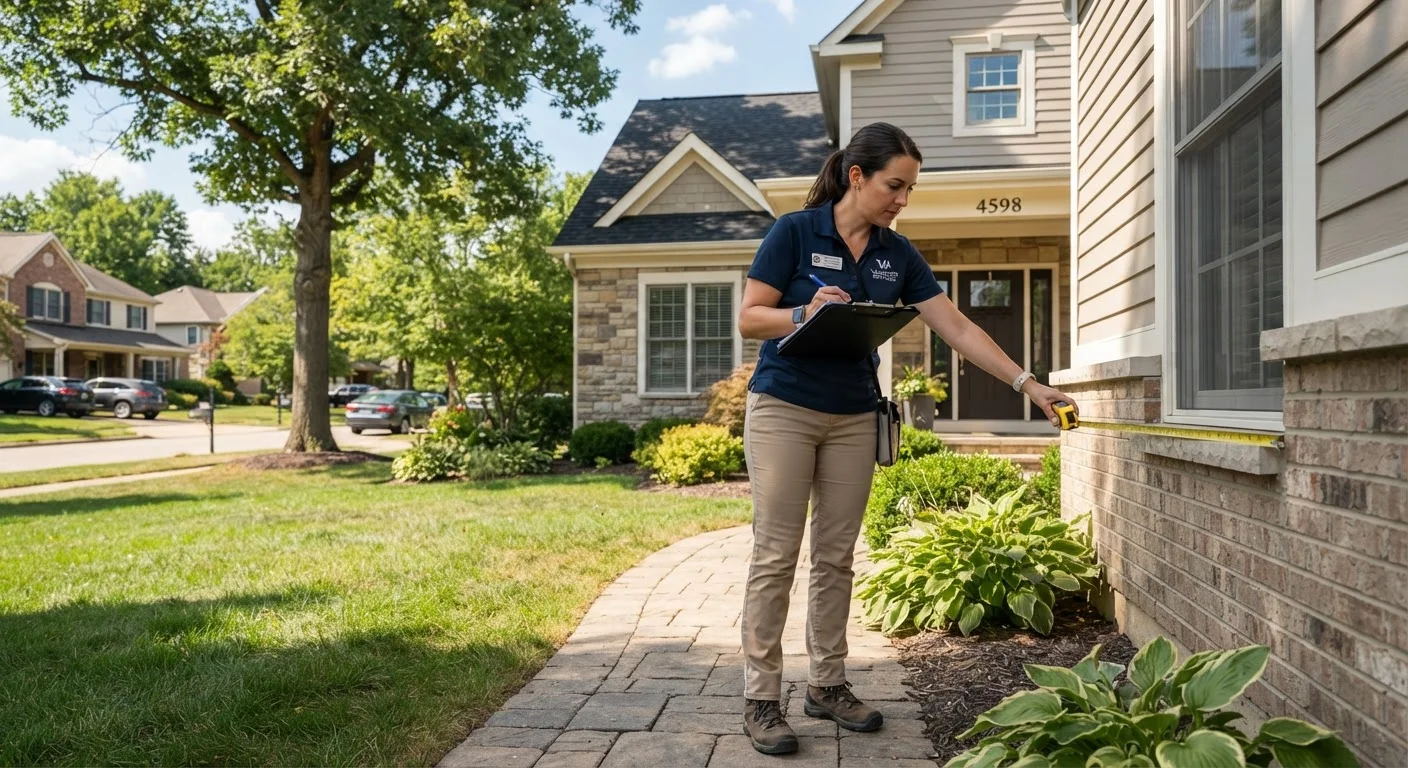
Licensed appraisers use a structured methodology to arrive at a value opinion. The most common approach for residential properties is the sales comparison approach, which measures the subject property against recently sold homes in the same area - known as comparables, or "comps."
During the physical inspection, the appraiser considers:
- Size and layout: Square footage, number of bedrooms and bathrooms, and floor plan functionality.
- Condition: The state of major systems (roof, HVAC, plumbing, electrical) and any visible deferred maintenance.
- Location: Proximity to schools, employment centers, and amenities, as well as neighborhood trends.
- Upgrades and improvements: Kitchen and bathroom renovations, additional finished space, or energy-efficiency additions.
- Lot characteristics: Size, topography, and any easements that affect use.
The appraiser then adjusts the sale prices of comparable homes upward or downward to account for differences with the subject property, arriving at a supported value estimate.
~10%
Share of appraisals that come in below contract price
Industry estimates suggest roughly one in ten appraisals in competitive markets falls below the agreed purchase price, creating negotiation pressure.
$300-$450
Typical appraisal fee for a single-family home
Costs vary by region, property type, and complexity; rural or larger properties can cost considerably more.
How the Appraisal Fits Into the Mortgage Timeline
The appraisal typically occurs after a purchase contract is signed and a loan application is submitted - usually during the underwriting phase. The lender selects an appraiser through an appraisal management company (AMC) to maintain independence from all parties.
Once the report is complete, the underwriter reviews it alongside the borrower's credit profile, income documentation, and other financial factors. To understand how all of these pieces fit together, see what happens during the mortgage underwriting process.
Federal regulations require that lenders provide borrowers with a copy of the appraisal at least three days before closing. Reviewing this report carefully is worthwhile - it documents the factual basis for the assigned value and identifies any conditions the appraiser flagged.
Know Your Right to the Report
Federal rules under the Equal Credit Opportunity Act require lenders to provide borrowers with a copy of any appraisal obtained for a mortgage application, typically no later than three business days before closing. Request it as soon as it is available - reviewing the comparables used can help you spot potential errors before the file moves to final approval.
When the Appraisal Comes In Low
A low appraisal - one that falls below the agreed purchase price - is one of the more stressful outcomes in a home purchase. The lender will calculate the maximum loan based on the lower appraised value, which can create a gap that must be resolved before closing.
Buyers generally have several options:
- Renegotiate the price: Ask the seller to reduce the price to meet the appraised value.
- Cover the gap in cash: Pay the difference between the appraised value and the contract price out of pocket.
- Request a reconsideration of value: Submit data on comparable sales the appraiser may have overlooked. This process doesn't guarantee a change, but it is a legitimate avenue if there are factual grounds.
- Walk away: If the contract includes an appraisal contingency, the buyer can exit without losing their earnest money deposit.
For a deeper look at how low appraisals affect both buyers and sellers during a transaction, see how real estate appraisals can derail a sale.
Appraisals vs. Other Property Assessments
It is easy to confuse a mortgage appraisal with other property evaluations. Understanding the distinctions helps buyers prepare appropriately.
| Assessment Type | Purpose | Who Benefits |
|---|---|---|
| Appraisal | Determines market value for lending purposes | Lender (primary), buyer |
| Home Inspection | Identifies physical defects and safety issues | Buyer |
| Tax Assessment | Establishes taxable value for local government | Taxing authority |
| Comparative Market Analysis (CMA) | Estimates listing price; conducted by a real estate agent | Buyer or seller |
None of these substitutes for the others. A strong home inspection does not guarantee a high appraisal, and a favorable appraisal does not mean the home is free of maintenance issues.
Before applying for a mortgage, it also helps to have your financial profile in order - including your credit standing. See how lenders use your credit score in mortgage underwriting for a clear breakdown of that process.
This article is for general informational and educational purposes only and does not constitute financial, legal, or real estate advice. Consult a licensed mortgage professional or real estate attorney for guidance specific to your situation.