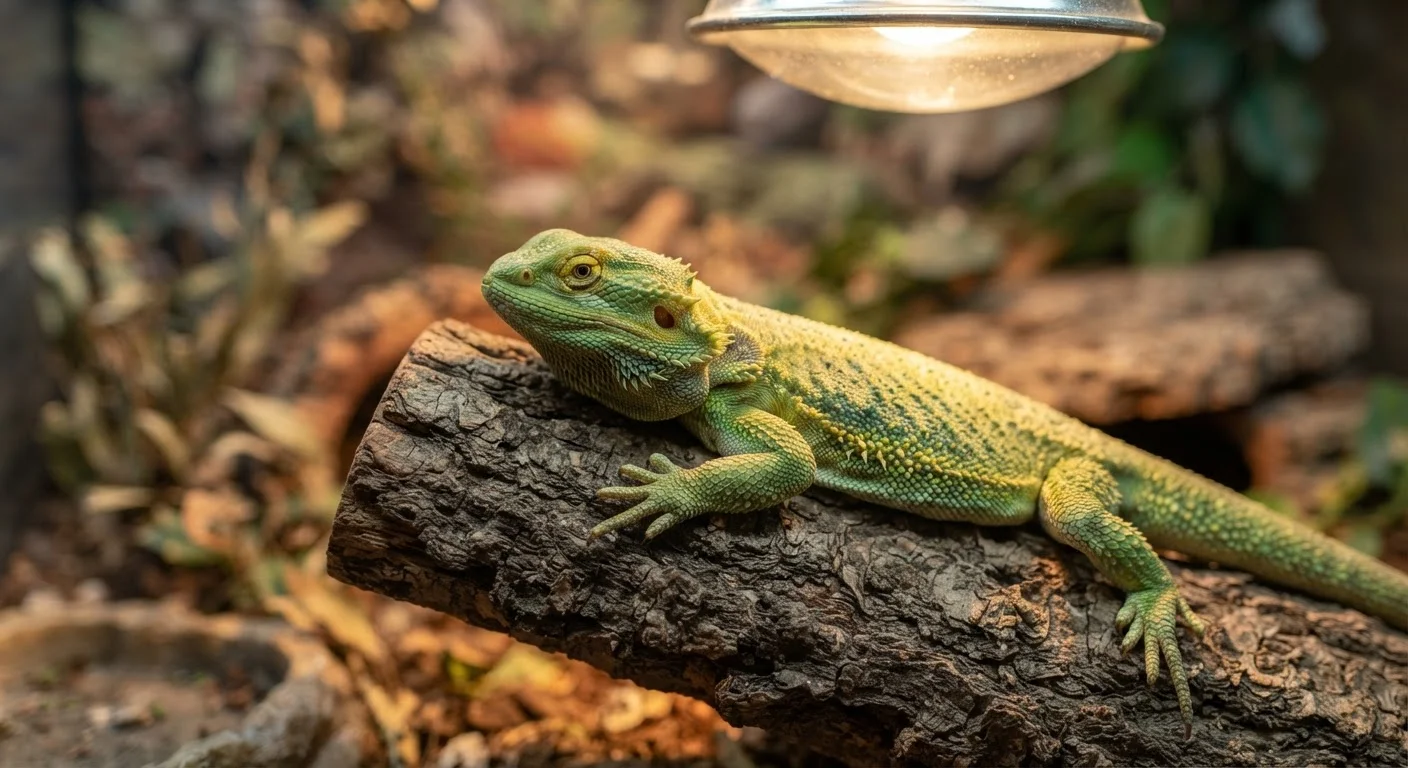
Why Reptile Care Is Easier to Get Wrong Than It Looks
Reptiles are often marketed as low-maintenance pets, and in some respects they are quieter and less demanding of daily attention than dogs or cats. But that apparent simplicity hides a layer of precision that catches new owners off guard. Unlike mammals, reptiles cannot self-regulate their body temperature, cannot synthesize certain vitamins without the right light, and have evolved to hide weakness - making health problems easy to miss until they are advanced.
The good news is that most reptile health problems are preventable. Getting the foundational husbandry right - enclosure environment, lighting, humidity, diet, and handling - eliminates the majority of issues that bring reptiles to the vet. The mistakes below are the ones exotic animal vets and herp specialists see most often, and each one has a straightforward fix.
For context on how other small pets face similarly overlooked needs, see our guide to rabbit, guinea pig, and hamster health basics. And for a broader look at everyday care principles, visit our Pet Care Basics hub.
The Most Common Mistakes New Reptile Owners Make
The errors below are not signs of bad intentions - they reflect how easy it is to act on incomplete information. Understanding why each mistake happens is as important as knowing how to correct it.
Providing a single ambient temperature instead of a thermal gradient.
Why it happens: New owners often place one heat lamp in the center of the enclosure, assuming reptiles just need to be 'warm.' In reality, reptiles are ectotherms - they regulate body temperature by moving between warm and cool zones.
Skipping or underestimating UVB lighting requirements.
Why it happens: UVB is invisible, so owners often assume any bright light will do, or that a vitamin supplement fully compensates. Most diurnal (daytime-active) reptiles synthesize vitamin D3 through UVB exposure, which is essential for calcium absorption.
Ignoring humidity levels or keeping conditions too dry.
Why it happens: Humidity is less intuitive than temperature and easy to overlook when setting up an enclosure. Many beginners focus entirely on heat without realizing that improper humidity causes retained sheds, respiratory infections, and dehydration.
Feeding an incorrect or overly narrow diet.
Why it happens: Pet store advice is sometimes oversimplified, and online forums frequently conflict. Owners may feed one prey type or one vegetable repeatedly, not realizing reptile nutrition requires variety and correct gut-loading of feeder insects.
Handling a newly acquired reptile too soon and too frequently.
Why it happens: Excitement leads new owners to handle their pet immediately, not realizing that reptiles experience significant stress during the transition to a new environment. Stress suppresses immune function and can trigger defensive aggression or refusal to eat.
Assuming a reptile that is not visibly sick is healthy.
Why it happens: Reptiles are prey animals in the wild and instinctively conceal illness. This evolutionary behavior makes it easy for owners to miss early-stage disease, internal parasites, or nutritional deficiencies until they become serious.
Never Guess on Temperatures or Lighting
Using incorrect bulb types or guessing at temperatures without a reliable thermometer can cause metabolic bone disease, thermal burns, or immune suppression within weeks. Always use calibrated digital thermometers with probes and verify UVB output with a UV index meter or follow the bulb manufacturer's published guidelines for your enclosure size.
Reptiles also change their needs as they age. If your animal is approaching its senior years, our article on caring for senior pets covers how to adapt your routine over time.
When to Call a Reptile Vet - and What to Expect
Find a Reptile-Specialist Veterinarian
Not all veterinarians are trained in reptile medicine. Before bringing a reptile home, locate an exotic animal vet or herpetological specialist in your area. Reptiles mask illness instinctively, so by the time symptoms are visible, the condition may already be advanced. Annual wellness exams - not just sick visits - are strongly recommended.
Finding the right vet before you need one urgently is one of the most practical things a new reptile owner can do. Look for a veterinarian who lists exotic animals or herpetology as a specialty, and ask whether they see your specific species. During a wellness visit, a reptile vet will typically assess body condition score, check for parasites, evaluate shedding health, and discuss your husbandry setup in detail.
Keep a simple health log - weight measured monthly, feeding dates, shed dates, and any behavioral changes. This record becomes invaluable at vet appointments and helps you spot patterns that suggest something is off. Birds, like reptiles, also mask illness well; our guide to recognizing illness in pet birds explores that challenge in depth.
This article is for general informational purposes only and does not constitute veterinary medical advice. Always consult a licensed veterinarian experienced with reptiles for guidance specific to your animal's health and care needs.