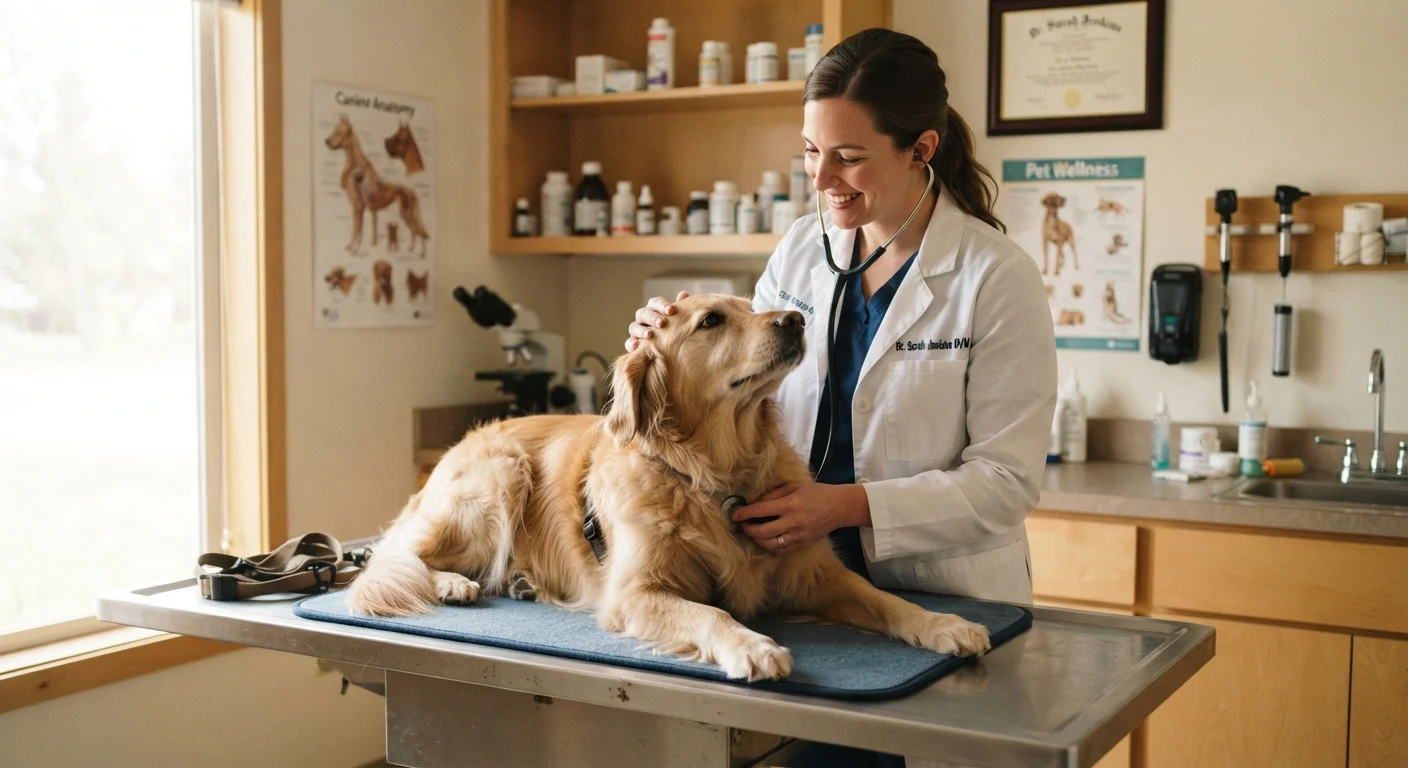
What the Vet Is Actually Evaluating
Many pet owners picture a wellness visit as a quick once-over and a vaccine or two. In practice, a thorough annual exam is a systematic physical assessment covering every major body system. Here's what a veterinarian is typically evaluating:
- Weight and body condition: Changes in weight - up or down - can signal metabolic, digestive, or organ problems. Vets use a standardized body condition score to assess fat coverage and muscle mass.
- Eyes, ears, and nose: Discharge, cloudiness, redness, or unusual odor can indicate infections, allergies, or early systemic disease.
- Mouth and teeth: Dental disease affects the majority of dogs and cats over age three, yet it's largely invisible to owners without a proper oral exam. Tartar buildup, gum inflammation, and loose teeth are all assessed here.
- Heart and lungs: A stethoscope exam can detect murmurs, arrhythmias, or abnormal lung sounds that warrant follow-up.
- Abdomen: The vet gently palpates the abdomen to feel for organ size, masses, pain responses, or unusual fluid.
- Skin and coat: Coat texture, skin condition, lumps, and parasite evidence all provide meaningful health information.
- Musculoskeletal system: Gait, joint flexibility, and muscle tone are observed - important for catching early arthritis or neurological changes.
For a deeper look at what diagnostic tools may be ordered following a physical exam, see our guide to veterinary diagnostic tests.
Preventive Care That Happens at the Same Visit
Beyond the physical exam, the annual visit is the practical vehicle for several preventive measures that protect your pet throughout the year.
Make the Most of Your Appointment
Write down any changes in your pet's behavior, appetite, water intake, or energy level before the visit - even things that seem minor. Vets rely on owner observations as much as physical findings. If your pet gets anxious in the car, our guide to traveling with pets has practical strategies to make the ride less stressful.
Vaccines: Depending on your pet's species, age, lifestyle, and local disease risk, the vet will administer or schedule core vaccines (like rabies and distemper) and discuss elective vaccines based on your pet's actual exposure risk. Vaccines aren't given on a one-size-fits-all schedule - they're tailored.
Parasite screening and prevention: A fecal sample screens for intestinal parasites. The vet will also review and update heartworm prevention, flea and tick control, and any regional parasite risks relevant to where you live and travel.
Nutritional and weight counseling: If your pet's body condition has shifted, the vet can advise on feeding adjustments without guesswork.
All of these elements together form part of a broader wellness plan. Our complete annual wellness plan overview covers the full calendar of care items owners should track each year.
Why Early Detection Is the Real Value
The most clinically significant reason for annual exams isn't the vaccines or the weigh-in - it's the opportunity to find problems before they become emergencies. Pets are biologically wired to hide discomfort, which means by the time an owner notices something is wrong, a condition may already be well-advanced.
~80%
Dogs with dental disease by age 3
According to the American Veterinary Medical Association, dental disease is one of the most common health conditions in adult dogs and cats, often developing before obvious symptoms appear.
2x/year
Recommended exam frequency for senior pets
Many veterinary guidelines recommend that pets in their senior life stage - generally dogs over 7 and cats over 10 - receive wellness exams every six months rather than annually.
Conditions like early kidney disease, hypothyroidism, heart murmurs, and dental infections often have no visible symptoms in their early stages. Routine bloodwork, which many vets recommend as an add-on to the annual exam - especially for senior pets - can detect these changes when they're still manageable.
Dental disease is one of the most under-recognized examples. A pet with significant tartar and gum infection may eat normally and show no obvious signs of pain, yet the bacteria from untreated dental disease can affect heart, kidney, and liver function over time.
It's also worth noting that what a vet learns by examining a healthy pet establishes a personal baseline. If something changes at a future visit, that comparison matters - an elevated value in a blood panel, for instance, is more meaningful when the vet knows what was normal for your specific animal.
While virtual vet consultations have their place for minor questions and follow-ups, they can't replicate this kind of hands-on assessment.
This article is for general informational purposes only and is not a substitute for professional veterinary advice. Always consult a licensed veterinarian for guidance specific to your pet's health needs.