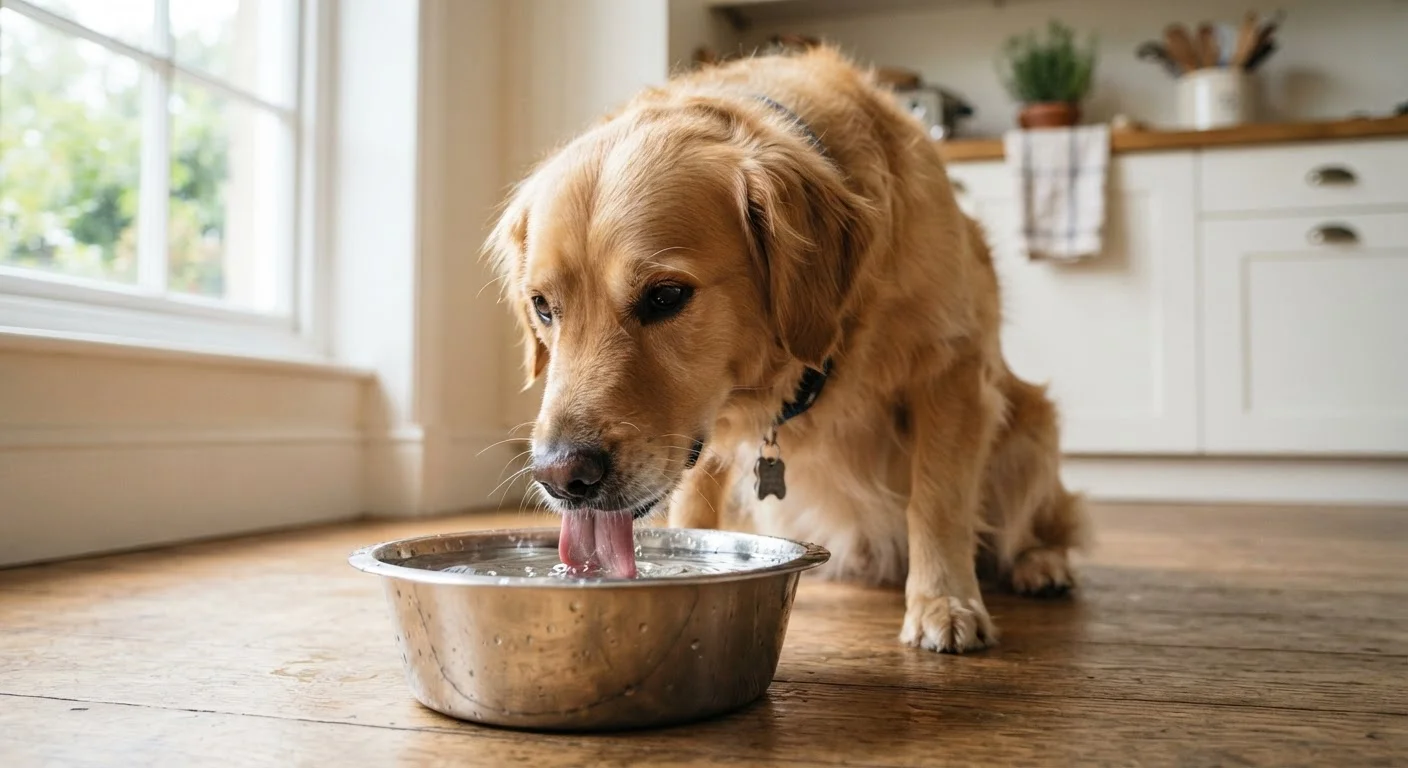
Normal Thirst vs. Something Worth Watching
Dogs drink more water for plenty of ordinary reasons - a long walk on a warm afternoon, a switch to a drier kibble, or an extra salty treat. A temporary uptick in drinking is rarely a cause for concern. The pattern that warrants attention is one that persists: your dog is consistently at the water bowl far more than usual, day after day, with no clear situational explanation.
A practical first step is to measure intake. Fill the bowl with a known amount of water in the morning, note what's left at the end of 24 hours (accounting for any other pets), and repeat for two or three days. This gives you actual data rather than an impression - and it's exactly what a veterinarian will ask about during the visit.
Measure Before Your Vet Appointment
Pour a measured amount of water into your dog's bowl each morning and record what remains at the same time the next day. Do this for two to three consecutive days to establish a reliable average. A concrete number is far more useful to your vet than "drinking a lot more than usual."
It's also worth observing whether increased drinking is accompanied by increased urination. Frequent trips outside, large urine volumes, or accidents indoors alongside heavy drinking are a signal to call the vet sooner rather than later.
Common Benign Causes of Increased Thirst
Before jumping to medical explanations, consider whether anything in your dog's routine has changed recently:
- Hot or humid weather: Dogs regulate body temperature through panting, which accelerates fluid loss. Time outdoors in summer heat can meaningfully increase daily water needs. Learn the warning signs of overheating in our guide to heatstroke in dogs.
- Increased exercise: A new running routine or an unusually active weekend will drive higher water consumption for a day or two.
- Dietary changes: Wet food is roughly 70-80% moisture; dry kibble is around 10%. Transitioning from one to the other makes a significant difference in how much water a dog needs to drink directly.
- High-sodium foods: Salty treats or table scraps can temporarily spike thirst.
- Medications: Corticosteroids, diuretics, and certain other drugs increase thirst as a known side effect.
If one of these applies and the increased drinking resolves within a few days of the change, no further action may be needed. When it doesn't resolve - or when no obvious cause exists - a medical explanation becomes more likely.
Medical Conditions That Cause Excessive Thirst
Persistent polydipsia is associated with a range of health conditions. Understanding the most common ones helps owners recognize when other symptoms should accelerate a vet visit.
~100 mL/kg/day
Water intake threshold indicating polydipsia
According to veterinary internal medicine references, dogs consuming more than this amount consistently should be evaluated for underlying causes.
1 in 300
Dogs estimated to develop diabetes mellitus
Veterinary epidemiological studies estimate diabetes affects roughly 1 in 300 dogs, with increased thirst among the earliest and most consistent signs.
Top 3
Ranking of kidney disease as a cause of dog polydipsia
Chronic kidney disease, diabetes, and Cushing's disease are consistently cited by veterinary internists as the leading medical causes of polydipsia in adult dogs.
- Diabetes mellitus: High blood glucose causes the kidneys to excrete excess sugar in urine, pulling large amounts of water with it. Affected dogs typically drink and urinate heavily, and may also show weight loss despite a good appetite.
- Kidney disease: Damaged kidneys lose the ability to concentrate urine, so dogs must drink more to compensate for greater fluid loss. This is one of the most common causes of polydipsia in middle-aged and older dogs.
- Cushing's disease (hyperadrenocorticism): Excess cortisol - from the adrenal glands or a pituitary tumor - directly causes increased thirst and urination, along with a pot-bellied appearance, hair loss, and lethargy.
- Pyometra: This life-threatening uterine infection in unspayed female dogs causes toxins that interfere with the kidney's ability to concentrate urine, leading to dramatic water intake. It requires emergency veterinary care.
- Liver disease and hypercalcemia: Both can affect kidney function secondarily, leading to increased urination and compensatory drinking.
If your dog is a senior pet, the likelihood of an underlying medical cause increases. Appetite changes sometimes accompany these conditions - see our overview of what to do when a pet stops eating for guidance on reading multiple symptoms together.
Psychogenic Polydipsia: A Behavioral Cause
In some cases - particularly in anxious, bored, or under-stimulated dogs - excessive drinking is behavioral rather than physiological. Called psychogenic polydipsia, it's typically diagnosed only after medical causes are ruled out. If bloodwork and urinalysis come back normal, your vet may ask about your dog's environment, enrichment, and stress levels.
What to Tell Your Vet - and What Comes Next
Arriving at the vet with clear observations makes a significant difference. Be ready to share:
- Approximately how much water your dog is drinking daily (measured, not estimated)
- When the change started and whether it came on gradually or suddenly
- Any other symptoms - changes in appetite, energy, urination frequency, weight, or coat condition
- Any recent diet changes, new medications, or environmental changes
- Your dog's age, reproductive status, and any known health history
The vet will likely start with blood work and a urinalysis. These initial tests can identify diabetes, kidney disease, and liver problems quickly. Depending on the results, additional diagnostics may follow. Early detection matters: many of the conditions behind polydipsia are manageable when caught before they progress significantly.
This article is for general informational purposes only and does not constitute veterinary advice. Always consult a licensed veterinarian for concerns about your pet's health.