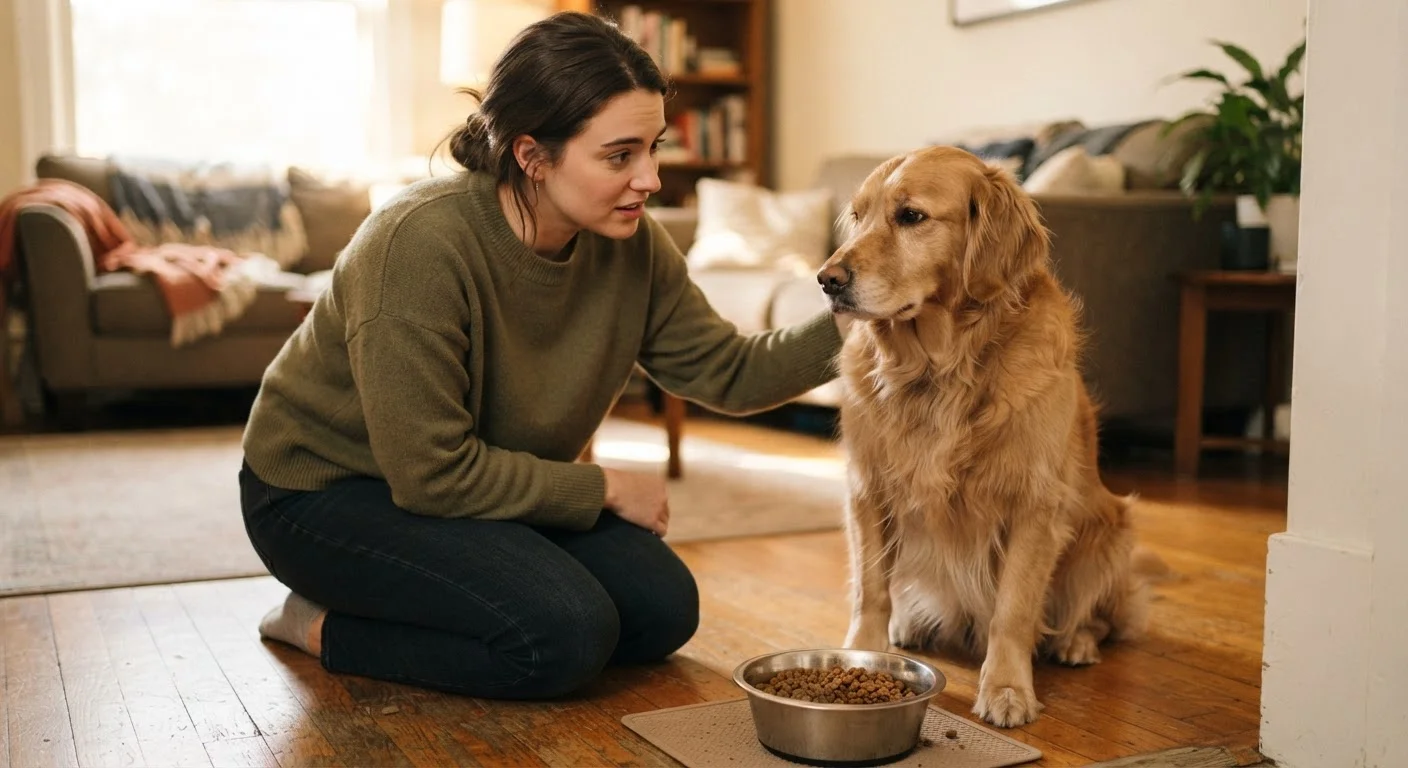
Why Pets Stop Eating: The Most Common Causes
A pet refusing food is one of the more alarming things an owner can encounter - and also one of the most common reasons for a vet call. The causes range from entirely benign to medically serious, which is why it's worth understanding the full picture before drawing conclusions.
Medical causes are the most important to rule out. Infections, gastrointestinal issues, kidney or liver disease, cancer, and hormonal conditions like diabetes can all suppress appetite. Dental pain is a frequently overlooked culprit - a cracked tooth or infected gum makes eating genuinely painful. If you notice your pet approaching the bowl and then backing away, or chewing on one side, mouth discomfort may be the issue. Our guide to recognizing pain in pets covers the behavioral cues that often accompany this.
Stress and anxiety are also significant triggers. A new home, a baby, a visiting pet, or even a rearranged living room can unsettle a sensitive animal. Anxiety in pets is often underrecognized because the signs can be subtle - and reduced appetite is frequently among the first.
Medication side effects, recent vaccines, and dietary changes round out the most common non-emergency causes. A temporary dip in appetite after a vaccination is normal and usually resolves within 24 hours.
~30%
Of vet visits involve appetite or weight concerns
Appetite changes are consistently among the top reasons pet owners seek veterinary evaluation, according to veterinary practice surveys.
48-72 hrs
Time window for hepatic lipidosis risk in cats
Veterinary internal medicine sources note that cats can begin developing fatty liver disease after just a few days without adequate caloric intake.
~80%
Of pets over age 3 have some degree of dental disease
The American Veterinary Dental College notes dental disease is among the most common health conditions in adult dogs and cats, and a leading cause of eating difficulty.
How to Assess the Situation at Home
Before calling the vet, do a quick but systematic check. Note how long your pet has gone without eating, whether any food was eaten at all, and whether water intake has changed. Increased thirst alongside reduced eating can point toward conditions like kidney disease or diabetes - something explored further in our article on why dogs drink more water than usual.
Observe your pet's overall demeanor. Is your dog still greeting you at the door and showing interest in walks? Is your cat still grooming and using the litter box normally? A pet that is alert, active, and behaving normally aside from skipping a meal is far less concerning than one that is also lethargic, hiding, or showing physical symptoms like vomiting or diarrhea.
Keep a Simple Symptom Log
When your pet stops eating, jot down the date and time, how much was offered versus consumed, and any other behaviors you notice. Even a brief two-day log gives your vet much more to work with than a general 'stopped eating a few days ago.' A notes app on your phone works perfectly for this.
Also consider recent changes: new food, new bowl location, new household members, recent travel, or a change in your own schedule. These context clues help your vet narrow down the cause quickly.
When to Call the Vet - and What to Expect
A useful rule of thumb: if a healthy adult dog skips one meal but is otherwise acting normal, watch and wait for up to 24 hours. If a cat refuses food for more than 24 hours, call your vet - the metabolic risks are higher and move faster in cats, particularly the risk of hepatic lipidosis (fatty liver disease).
Always call sooner if your pet is also vomiting, has diarrhea, seems to be in pain, is unusually quiet or withdrawn, or if the pet is a senior. Senior pets have less physiological reserve and can decline more rapidly than younger animals.
When you speak with your vet, be ready to describe: when the appetite change started, what your pet last ate and how much, any other symptoms, recent medication or vaccine history, and any environmental changes. This information shapes what diagnostic steps come next - which may include a physical exam, bloodwork, urinalysis, or imaging depending on the clinical picture.
Picky Eating vs. True Inappetence
Some pets - particularly cats and small dogs - learn to hold out for more palatable food if owners respond to meal refusal by offering something better. True inappetence driven by illness typically comes with other behavioral or physical changes, while learned pickiness usually doesn't. If you're unsure which you're dealing with, your vet can help you tell the difference.
It's worth noting that persistent appetite problems - or a pet eating well but losing weight - may relate to underlying metabolic issues. Our overview of pet weight and health provides helpful context on how nutrition and body condition connect to overall wellbeing. General information about pet health is also a good starting point for building a broader care routine.
This article is for general informational purposes only and does not constitute veterinary medical advice. Always consult a licensed veterinarian for concerns about your individual pet's health.