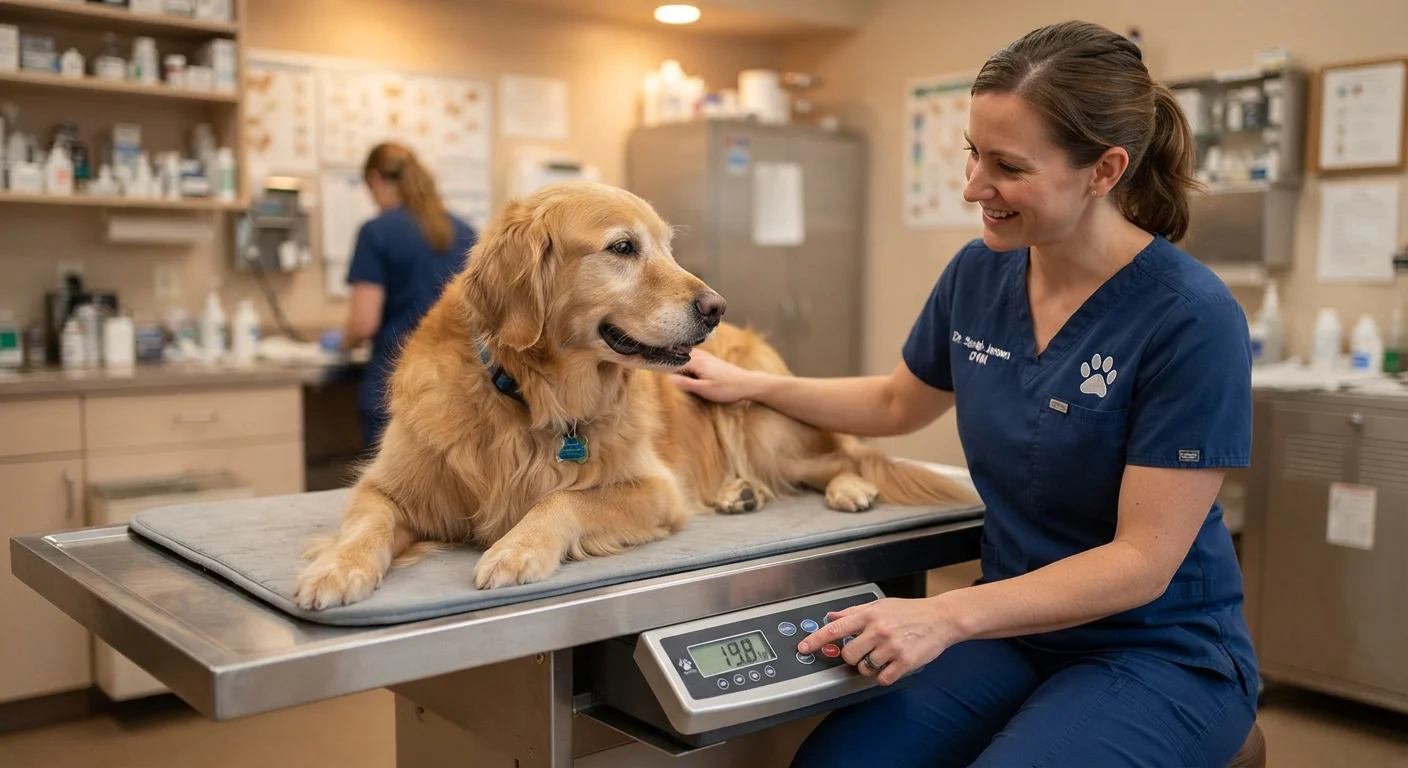
Why Pet Obesity Is a Health Crisis, Not a Cosmetic Concern
When a pet carries extra weight, most people notice the change in appearance first. But what veterinarians are watching for is far more serious. Chronic excess body fat drives systemic inflammation, stresses joints, strains the heart and lungs, and disrupts hormonal balance. The consequences are measurable: obese pets live shorter lives and spend more of those years in discomfort.
Veterinary surveys consistently estimate that more than half of U.S. dogs and cats are overweight or obese - making this the most widespread preventable health condition in companion animals. Yet it often goes unrecognized by owners, in part because gradual weight gain is easy to miss, and in part because a heavier pet can still seem happy and energetic on the surface.
~59%
U.S. cats classified as overweight or obese
According to the Association for Pet Obesity Prevention's annual clinical survey of veterinary professionals.
~56%
U.S. dogs classified as overweight or obese
Reported by the Association for Pet Obesity Prevention, reflecting consistent findings over multiple survey years.
1.8 years
Estimated lifespan reduction in obese dogs
A long-term Labrador Retriever study found lean dogs lived nearly two years longer than overweight counterparts.
Understanding obesity as a medical condition - not a personality trait or a sign of a well-loved pet - is the first step toward addressing it effectively.
Common Causes of Weight Gain in Dogs and Cats
Weight gain in pets follows the same basic principle as in people: when caloric intake consistently exceeds energy expenditure, the body stores the surplus as fat. But the specific drivers are worth understanding clearly.
- Overfeeding: Feeding guidelines on pet food packaging are general estimates based on an average animal. Many pets require significantly fewer calories than the bag suggests. Overfeeding is easier than most owners realize, especially when multiple household members contribute to feeding or when free-feeding (leaving food out all day) is the norm.
- High-calorie treats: Treats are often calorie-dense and are given frequently without being counted toward daily intake.
- Insufficient exercise: Indoor-only cats and dogs with limited walk time burn fewer calories. As pets age, activity naturally declines, but food portions often stay the same.
- Reproductive status: Spayed and neutered pets have lower metabolic rates and need fewer calories. Failing to adjust portions after surgery is a common trigger for gradual weight gain.
- Medical conditions: Hypothyroidism in dogs and hyperadrenocorticism (Cushing's disease) are hormonal conditions that promote fat accumulation. These require diagnosis and treatment - weight management alone won't be sufficient.
- Breed and genetics: Some breeds - including Labrador Retrievers, Beagles, Pugs, and certain cat breeds - are predisposed to obesity due to genetic factors that affect appetite regulation.
Track Treats as Part of Daily Calories
Treats are a common hidden calorie source that owners frequently overlook. A standard dog biscuit can carry 30 to 50 calories - the equivalent of a meaningful percentage of a small dog's daily needs. Ask your vet what daily caloric limit is appropriate for your pet, and count every treat toward that total. Swapping some treats for low-calorie vegetables like plain baby carrots or cucumber slices can help without eliminating food rewards entirely.
The Health Consequences Vets Take Seriously
The downstream effects of obesity touch nearly every body system. Vets commonly see the following conditions accelerated or directly caused by excess weight:
- Osteoarthritis: Every extra pound places disproportionate mechanical stress on joints. Obese dogs develop arthritis earlier and more severely. Hip dysplasia, already a structural challenge in large breeds, is significantly worsened by excess weight.
- Diabetes mellitus: Obesity is a major risk factor for Type 2 diabetes in cats and contributes to insulin resistance in dogs. Diabetes in pets is manageable but requires lifelong commitment and ongoing veterinary care.
- Respiratory compromise: Fat deposits around the chest restrict normal lung expansion, making exercise harder and anesthesia riskier.
- Shortened lifespan: Long-term studies in dogs - notably a landmark Labrador Retriever study - have found that dogs maintained at a lean body condition live significantly longer than their overweight counterparts.
- Reduced quality of life: Obese pets play less, groom less effectively, and experience chronic low-level discomfort that owners may not immediately attribute to weight.
How Vets Approach Weight Management
If your vet determines that your pet is overweight, the approach is structured and gradual - never a crash diet. Here's what a vet-guided plan generally involves:
- Baseline assessment: Your vet will establish a target weight using Body Condition Score, breed standards, and your individual pet's frame. Blood work may be recommended to rule out underlying hormonal causes.
- Caloric prescription: A specific daily caloric target is calculated - not just a rough reduction. For many pets, this means switching to a therapeutic weight management diet that delivers satiety at lower caloric density.
- Portion control and meal feeding: Free-feeding is typically discontinued. Measured meals at consistent times help track intake accurately.
- Treat management: Treats should make up no more than 10% of daily calories. Low-calorie options like plain cooked vegetables can satisfy a pet's desire for food rewards without significantly affecting intake.
- Structured activity: Exercise is increased gradually. For dogs, this often means longer or more frequent walks. For cats, interactive play sessions with wands or puzzle feeders are commonly recommended.
- Regular monitoring: Weigh-ins every 2 to 4 weeks allow the plan to be adjusted if weight loss stalls or proceeds too quickly.
Older pets may need a modified approach, since their reduced activity levels and changing metabolic needs require careful caloric calibration. Never make significant dietary changes without consulting your veterinarian first.
“The most important thing owners can do is bring their pet in for regular check-ins, because weight creeps up gradually and it's much easier to course-correct 2 pounds than 10.”
— Ernie Ward, Veterinarian and founder of the Association for Pet Obesity Prevention
This article provides general educational information about pet health and is not a substitute for professional veterinary advice. Always consult a licensed veterinarian for guidance specific to your pet's health and circumstances.