Why the Early Window Is So Consequential
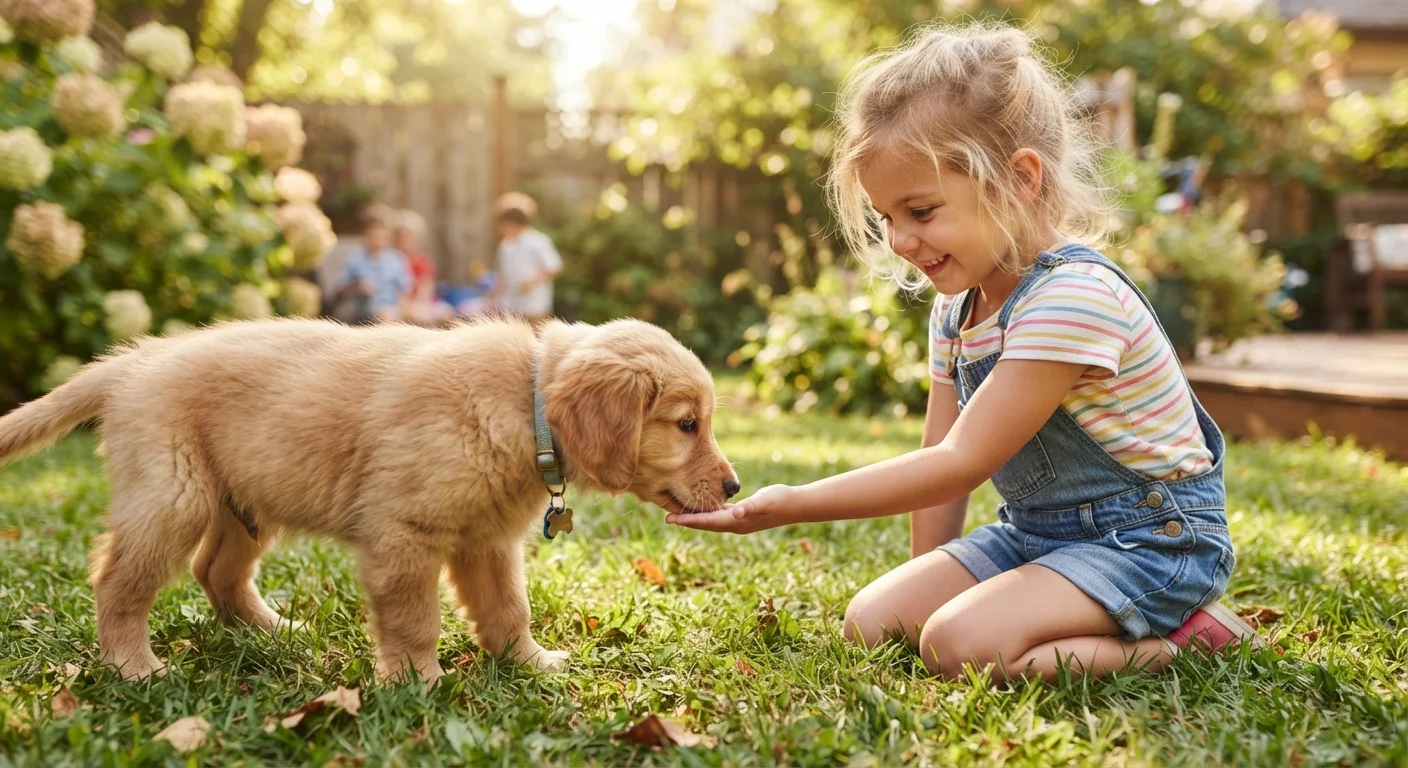
Between roughly 3 and 14 weeks of age, a puppy's brain is biologically primed to absorb information about the world around it. During this period, new experiences form emotional associations quickly and durably. A puppy that encounters friendly strangers, gentle handling, and varied sounds during this window is far more likely to treat those things as ordinary - and therefore safe - for the rest of its life.
Miss this window, and the brain's plasticity shifts. The puppy doesn't lose the ability to learn, but unfamiliar experiences are more likely to trigger caution or fear rather than curiosity. This is why veterinary behaviorists consistently describe early socialization as one of the highest-return investments a puppy owner can make. For a deeper look at the research behind this timing, see what the science says about socialization timing.
Socialization and the Vaccine Timeline
Many puppies arrive at their new homes at 8 weeks of age, right in the middle of the socialization window, but their vaccine series won't be complete until 16 weeks or later. This overlap creates a real planning challenge. Talk with your veterinarian early - ideally at the first well-puppy visit - to build a socialization plan that fits your puppy's specific health status and your local environment.
What Socialization Actually Includes
Many owners picture socialization as simply letting their puppy meet other dogs at the park. In practice, the scope is much broader. Think of it as building a mental catalogue of "things that are normal" across every sensory category your dog will encounter in daily life.
- People: Men, women, children, people wearing hats or uniforms, people using canes or strollers
- Animals: Other dogs, cats, and where appropriate, livestock or small animals - always under controlled conditions
- Sounds: Traffic, appliances, thunderstorms, loud music, crying babies
- Surfaces: Grass, tile, gravel, grates, stairs, carpet
- Handling: Ear checks, paw touching, nail handling, and restraint - preparing the puppy for grooming and vet visits
- Environments: Busy streets, quiet parks, parking lots, pet-friendly stores
Each positive exposure adds to the puppy's foundation of confidence. The goal is breadth - covering as many categories as possible - while keeping every experience calm and pleasant.
Managing Risk When Vaccinations Aren't Complete
A common concern is that puppies shouldn't leave the house until their vaccine series is complete, which typically runs past the 14-week mark. This creates a real tension. The American Veterinary Society of Animal Behavior has stated that the risks of under-socialization often outweigh the risks of disease exposure when reasonable precautions are taken.
Practical risk-reduction strategies include:
- Attending puppy socialization classes held in clean, sanitized facilities where attendance is restricted to vaccinated puppies
- Carrying your puppy in public rather than setting it on the ground in unknown areas
- Visiting the homes of friends with healthy, vaccinated dogs
- Exposing puppies to sounds, surfaces, and handling at home
Always discuss your specific puppy's health status and your local disease risk with your veterinarian before making decisions about where your puppy goes. This is especially important for breeds with known immune vulnerabilities or in areas with higher rates of parvovirus.
Track Exposures With a Simple Checklist
Many veterinary and trainer resources offer free socialization checklists organized by category - people, sounds, surfaces, environments, and handling. Keeping a simple log helps you spot gaps and ensures you're covering a true range of experiences rather than repeating the same familiar ones. Aim for at least one new category each day during the critical window.
How to Make Exposures Positive - Not Just Frequent
Flooding a puppy with too much too fast can backfire. The goal is to pair new experiences with good things - treats, play, and calm praise - while always watching for signs that the puppy is becoming overwhelmed. A puppy that is forced past its comfort threshold can learn to fear the very things you're trying to normalize.
A useful rule of thumb: let the puppy set the pace. If it moves toward something new with a relaxed body and wagging tail, great - reward that curiosity. If it hesitates, reduce the intensity of the exposure (increase distance, lower volume) rather than pushing forward. Over multiple sessions, you can gradually close the gap.
Socialization isn't a one-time event, either. It works best as part of a broader, consistent routine. For guidance on building that foundation from day one, the puppy training roadmap for new owners is a practical starting point. And if you haven't yet brought your puppy home, puppy-proofing your home before the first day covers the preparation steps that make a safe environment for those early experiences.
This article is for general informational purposes only and does not constitute veterinary or behavioral advice. Consult your veterinarian or a certified professional dog trainer for guidance specific to your puppy's needs.