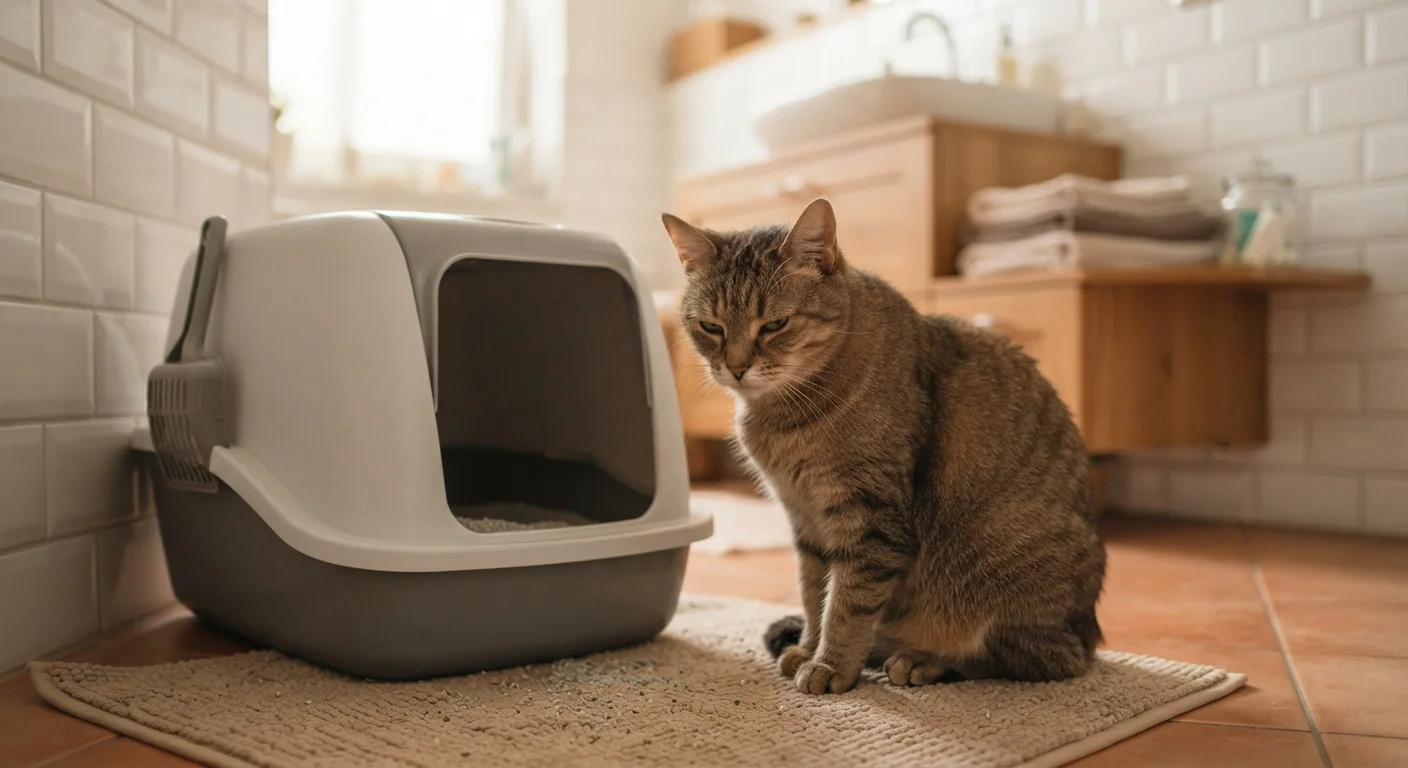
Why the Litter Box Is a Health Monitor
Most cat owners think of the litter box as a chore. Veterinarians think of it as data. What your cat deposits - and how, how often, and where - provides a consistent window into organ function, hydration status, and gastrointestinal health. Changes that seem like stubbornness or preference often turn out to be symptoms.
The challenge is that cats instinctively mask discomfort. By the time a health problem is visible in behavior or appetite, it may have been progressing for some time. The litter box is one of the few places cats can't hide what's happening internally. That makes daily observation genuinely useful - not obsessive, just attentive.
For a fuller picture of how routine observation fits into overall pet health, the grooming as a health practice article explains how similar principles apply during coat and body care.
~1 in 10
Cats affected by FLUTD at some point
Feline lower urinary tract disease is one of the most common reasons cats are brought to veterinary clinics, according to veterinary epidemiology data.
Up to 30%
Of cats over age 10 develop chronic kidney disease
Chronic kidney disease prevalence rises significantly with age in cats, making monitoring of urinary output in senior cats especially important.
24-48 hrs
Window before urethral blockage becomes life-threatening
Veterinary sources consistently note that male cats with a blocked urethra can deteriorate to a critical state within one to two days without treatment.
Urinary Changes That Warrant Prompt Attention
Urinary symptoms are among the most time-sensitive litter box red flags, particularly in male cats. Watch for these specific changes:
- Straining or crying while urinating: This is the most urgent sign. In male cats, a blocked urethra can become life-threatening within hours. Do not wait to see if it resolves.
- Frequent trips with little or no output: Making repeated visits to the box but producing only small amounts - or nothing - points to urinary obstruction or severe inflammation.
- Blood-tinged urine: Pink, red, or brown-colored urine indicates hematuria. Common causes include feline lower urinary tract disease (FLUTD), bladder stones, or infection.
- Urinating outside the box: Cats in urinary pain often associate the box with discomfort and start eliminating elsewhere. This is a symptom, not a behavioral defiance.
- Dramatically increased urination volume: Producing noticeably more urine than usual - called polyuria - is a classic early sign of chronic kidney disease, diabetes mellitus, or hyperthyroidism.
The why cats stop using the litter box article provides a broader look at how vets and behaviorists approach these presentations.
Build a Baseline Before Problems Appear
Scoop your cat's litter box at least once daily and take brief mental note of output volume, frequency, and consistency. When you know what's normal for your individual cat, deviations become obvious much sooner. Senior cats and those with a history of urinary issues benefit from even more frequent monitoring.
Defecation Changes That Signal GI or Systemic Problems
Bowel habit changes are equally informative. Normal cats defecate roughly once per day. Significant deviations - in either direction - are worth tracking and reporting.
- Straining without producing stool: Constipation in cats can stem from dehydration, megacolon, pelvic injuries, or neurological problems. Chronic constipation causes significant discomfort and can escalate into obstipation, which requires veterinary intervention.
- Diarrhea lasting more than 24-48 hours: Occasional soft stool happens. Persistent diarrhea - especially with mucus or blood - suggests parasites, inflammatory bowel disease, or infection.
- Blood in stool: Bright red blood typically indicates lower GI irritation; dark, tarry stool suggests bleeding higher in the digestive tract. Both require evaluation.
- Sudden absence of stool: If a cat stops defecating entirely, a GI obstruction is possible - a genuine emergency.
It's worth noting that some cats develop litter box aversions after experiencing pain during elimination - meaning the box environment may look like the problem when the underlying cause is medical. See the litter box behavior and environment guide for help distinguishing the two.
What to Tell Your Vet - and When to Call
When you call your veterinarian, specific observations help them triage effectively. Before the call, note:
- When the change started
- What exactly has changed (frequency, volume, color, consistency, location)
- Whether your cat appears to be straining or vocalizing
- Any other changes in behavior, appetite, water intake, or energy
Call the same day for: straining with no output, blood in urine, absence of stool for more than 48 hours, or any sign of pain or distress. Seek emergency care immediately if your cat is straining repeatedly with no urine produced - especially male cats.
Schedule a non-urgent appointment within a few days for: one episode of soft stool, slightly increased urination without other symptoms, or a single incident of going outside the box.
For ongoing support in structuring your cat's environment to support healthy habits, the litter box environment setup guide covers box count, placement, and cleaning routines that can reduce environmental stressors.
This article is for general informational purposes only and does not constitute veterinary advice. If you are concerned about your cat's health, consult a licensed veterinarian for an accurate diagnosis and appropriate care.