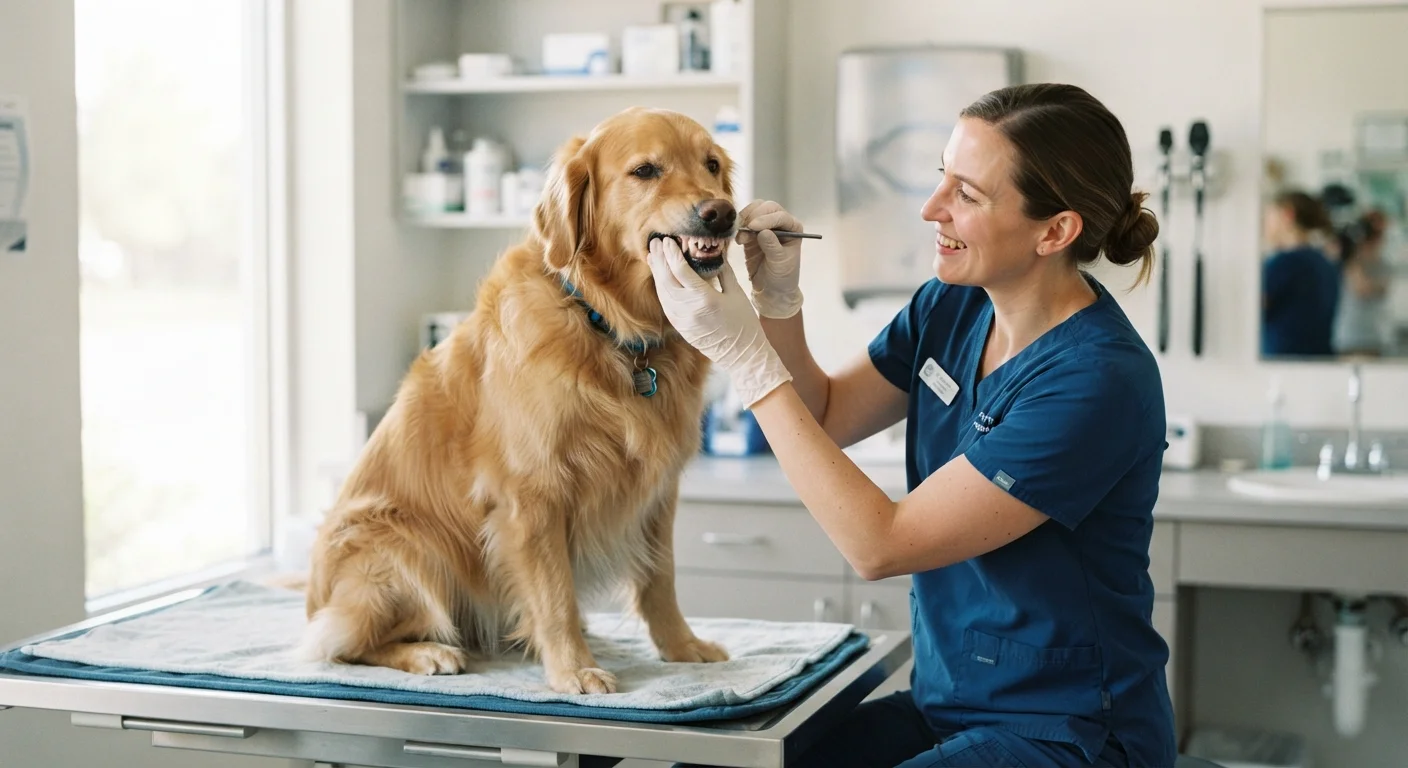
Why Dental Health Is a Whole-Body Issue
Most pet owners associate bad breath with minor inconvenience. In reality, persistent halitosis in a dog or cat is almost always a symptom of active bacterial infection - and that infection rarely stays confined to the mouth.
When bacteria colonize below the gumline, they gain access to a rich blood supply. From there, they can circulate systemically, depositing in the kidneys, heart valves, and liver. Veterinary research has established associations between severe periodontal disease in dogs and conditions affecting the kidneys and heart. For cats, oral bacteria are considered a contributing factor in certain kidney conditions - a concern worth noting given how common chronic kidney disease is in older cats.
This is why dental health belongs in the same conversation as nutrition, exercise, and parasite prevention when building a well-rounded daily care routine for your pet.
~80%
Adult dogs with some degree of dental disease
According to the American Veterinary Medical Association, most dogs show signs of periodontal disease by age three.
~70%
Adult cats affected by dental disease
Veterinary dental specialists estimate that the majority of cats over three years old have clinically significant oral disease.
Grade 1-4
Standardized severity scale used by veterinarians
The Gorrel/AVDC grading system helps veterinarians document disease progression and plan appropriate treatment at each stage.
How Dental Disease Develops
The process starts within hours of eating. Saliva, food particles, and oral bacteria combine to form plaque - a soft, sticky film that coats tooth surfaces. If not disrupted by brushing or mechanical action, plaque mineralizes into calculus (tartar) within days. Tartar cannot be removed by brushing alone and provides a rough surface for further bacterial accumulation.
As bacteria work deeper below the gumline, the body's immune response causes inflammation. Gum tissue pulls away from the tooth, creating pockets where more bacteria thrive. Ligaments and bone erode. Eventually, teeth loosen and may need to be extracted - a situation that is painful, costly, and entirely preventable when caught early.
Breeds With Higher Dental Risk
Small breeds (Chihuahuas, Dachshunds, Yorkshire Terriers), brachycephalic breeds (Bulldogs, Pugs, Persian cats), and senior pets generally face elevated dental disease risk. If your pet falls into one of these categories, discuss a more frequent examination and cleaning schedule with your veterinarian. Standard annual intervals may not be sufficient.
Certain pets face higher baseline risk. Small and toy breeds pack their teeth more tightly, creating more opportunity for plaque to accumulate. Flat-faced breeds such as Bulldogs and Persian cats often have teeth that are crowded or rotated. Senior pets accumulate years of exposure. Breed and age should both factor into how frequently a veterinarian examines your pet's mouth.
What Good Dental Care Actually Looks Like
Professional cleanings. A thorough veterinary dental cleaning requires general anesthesia. This allows the veterinarian or veterinary dentist to probe each tooth individually, take full-mouth dental X-rays (the majority of tooth structure lies below the gumline and is invisible to the naked eye), scale away calculus both above and below the gumline, and treat or extract teeth that cannot be saved. This procedure, done on schedule, is the foundation of preventive dental care.
At-home brushing. Daily toothbrushing is the most impactful thing an owner can do between cleanings. Use a soft-bristled brush and a toothpaste formulated for pets - human toothpaste contains ingredients toxic to animals. If your pet resists, introduce toothbrushing gradually using patience and positive reinforcement. Even a few times per week offers meaningful benefit over no brushing at all.
Supplemental tools. Dental chews, water additives, and certain prescription diets can reduce plaque accumulation. Products carrying the Veterinary Oral Health Council (VOHC) seal have met published standards for efficacy. These are supportive measures, not substitutes for brushing or professional care.
Start Dental Habits Early
Puppies and kittens are far more receptive to toothbrushing than adult pets introduced to it for the first time. If you have a young pet, begin handling their mouth and introducing a soft brush as early as possible. Even older pets can learn to tolerate brushing with gradual, reward-based introduction - patience and consistency matter more than age.
Recognizing the Signs - and When to Act
Pets instinctively suppress signs of pain, which is why dental disease often advances significantly before owners notice anything wrong. The most common observable signs include:
- Persistent bad breath (beyond normal post-meal odor)
- Yellow or brown deposits along the gumline
- Red, swollen, or bleeding gums
- Dropping food while eating or preference for soft food
- Pawing at the mouth or face
- Increased drooling
If you observe any of these, schedule a veterinary appointment promptly - do not wait for the next annual wellness visit. Early-stage disease is far less invasive and less expensive to treat than advanced periodontal breakdown.
For a broader picture of your pet's overall health and preventive care, an annual or semi-annual wellness exam gives your veterinarian the opportunity to catch dental changes before they become serious systemic concerns.
This article provides general educational information about pet dental health and is not a substitute for advice from a licensed veterinarian. Always consult your veterinarian for guidance specific to your pet's health needs.