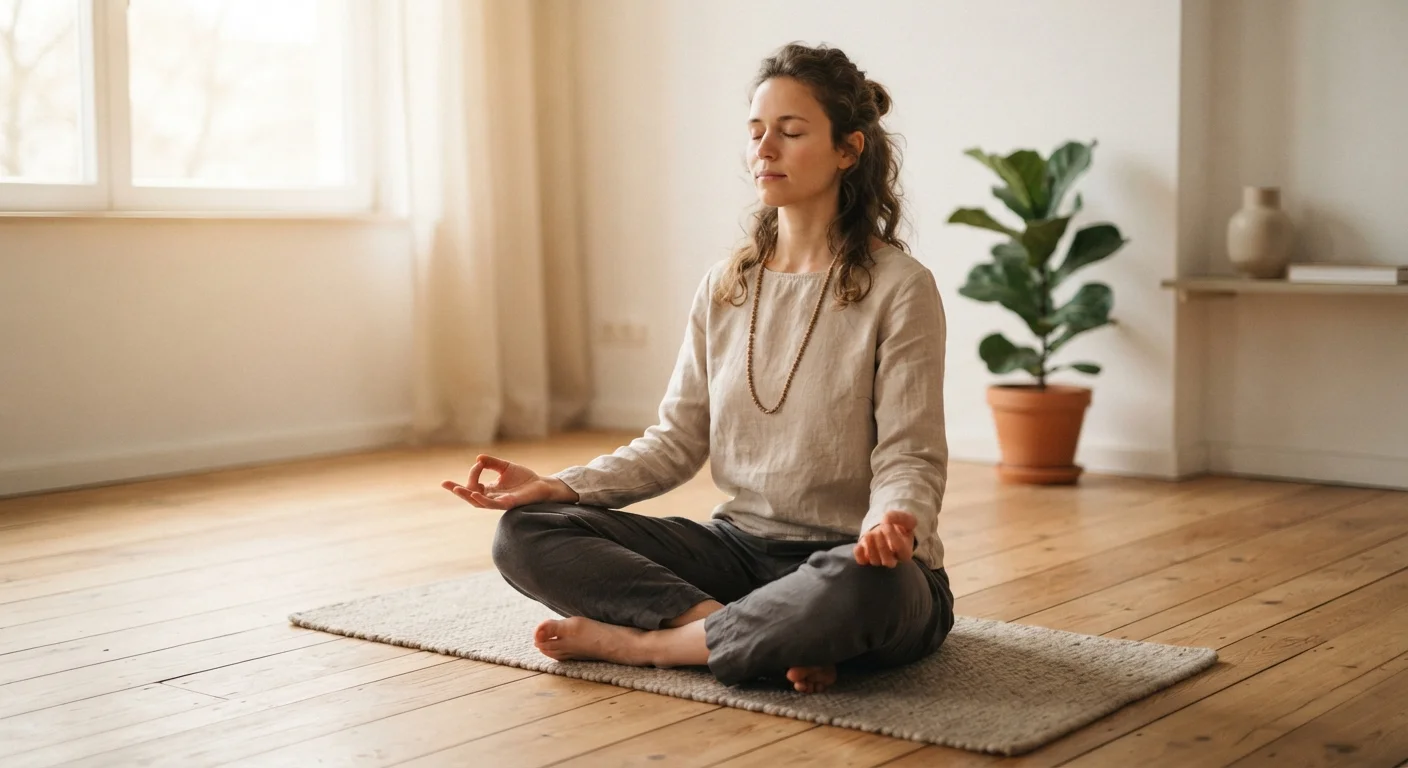
Why Breathing Exercises Work
Controlled breathing directly influences the autonomic nervous system - specifically, it activates the parasympathetic branch responsible for the body's "rest and digest" response. When stress triggers rapid, shallow breathing, the body interprets that pattern as a signal to stay alert. Deliberate, slower breathing reverses that loop.
Understanding what stress does to your body and brain makes it easier to appreciate why breathing techniques have measurable effects - cortisol levels, heart rate, and blood pressure can all shift with consistent practice. These techniques require no equipment, no prescription, and minimal time investment, making them practical for nearly any daily routine.
This article is for general informational purposes only and is not a substitute for personalized medical or mental health advice. If you experience persistent anxiety, panic attacks, or breathing difficulties, consult a qualified healthcare professional.
| Technique category | Mind-body self-regulation |
| Equipment needed | None |
| Time per session | 2-10 minutes typical |
| Evidence base | Growing body of clinical research supports use for stress and anxiety (Various peer-reviewed studies; evidence strength varies by technique) |
| Professional guidance needed | Not typically for healthy adults; recommended for those with respiratory or cardiovascular conditions |
Common Breathing Techniques at a Glance
The techniques below represent some of the most widely studied and clinically referenced breathing methods for stress management. Each serves a slightly different purpose - reviewing all of them helps you match the right tool to the moment.
Autonomic nervous system
The part of the nervous system that regulates involuntary functions such as heart rate, digestion, and breathing. It has two main branches: the sympathetic (stress response) and the parasympathetic (rest and recovery).
Parasympathetic activation
The state in which the parasympathetic branch of the autonomic nervous system takes precedence, slowing heart rate and promoting calm. Slow, controlled breathing is one way to encourage this response.
Diaphragmatic breathing
A breathing pattern in which the diaphragm - the dome-shaped muscle below the lungs - does the primary work of inhalation, causing the abdomen to rise. Also called belly breathing, it is more efficient and less tension-producing than shallow chest breathing.
Cortisol
A hormone released by the adrenal glands in response to stress. Elevated cortisol over prolonged periods is associated with a range of health concerns, including disrupted sleep and immune function.
Box breathing
A structured breathing technique using equal counts for inhale, hold, exhale, and hold - typically four seconds each. The symmetrical pattern is designed to stabilize breathing rate and reduce acute stress.
Pursed-lip breathing
A technique involving a slow nasal inhale followed by a longer exhale through slightly pursed lips. It is used to slow the breathing rate and extend the time air remains in the lungs.
Box Breathing (4-4-4-4)
Inhale for 4 counts, hold for 4, exhale for 4, hold for 4. Repeat 4-6 cycles. This technique is associated with focus and calm under acute pressure, and has been used in high-stress professional training contexts. It is particularly useful before presentations, difficult conversations, or any moment requiring rapid mental reset.
4-7-8 Breathing
Inhale quietly through the nose for 4 counts, hold for 7, exhale completely through the mouth for 8. The extended exhale is thought to promote relaxation by lengthening the parasympathetic activation window. Many people find this technique helpful as part of a wind-down routine before sleep.
Diaphragmatic (Belly) Breathing
Place one hand on the chest and one on the abdomen. Inhale slowly so the abdomen rises while the chest stays relatively still. Exhale gently. This foundational technique is the basis for most other methods and addresses the shallow chest breathing pattern that stress commonly produces. It is appropriate for everyday use at any time of day.
Pursed-Lip Breathing
Inhale slowly through the nose for two counts, then exhale through pursed lips - as if blowing out a candle - for four counts. Often recommended for people who feel short of breath, it slows the breathing rate and keeps airways open longer. Always consult a healthcare provider before using this technique to manage any respiratory condition.
Choosing the Right Technique for the Situation
No single method is universally superior. Stress management rarely fits a single mold, and the same is true of breathing exercises. Consider the context:
- Acute stress or urgency: Box breathing offers a structured, symmetrical rhythm that is easy to remember under pressure.
- Pre-sleep anxiety: 4-7-8 breathing's long exhale phase makes it well-suited to settling the mind before bed.
- All-day tension: Diaphragmatic breathing, practiced for a few minutes at regular intervals, addresses the cumulative effects of ongoing low-grade stress.
- Breathlessness or anxiety spirals: Pursed-lip breathing slows the breathing rate when it has escalated - speak with a healthcare provider if breathlessness is a recurring issue.
It's also worth noting that physical activity complements breathing-based approaches - combining both may offer broader benefits than either alone. For readers curious about the distinction between short-term and long-term stress, understanding how chronic and acute stress differ can help clarify which coping strategies are most relevant to your situation.
~5-6 breaths/min
Optimal slow breathing rate linked to HRV improvement
Research on heart rate variability (HRV) suggests a breathing rate of approximately five to six cycles per minute is associated with measurable autonomic benefits.
< 5 minutes
Minimum practice time showing measurable calm effects
Several small studies indicate even brief breathing interventions of under five minutes can produce short-term reductions in self-reported anxiety and physiological arousal markers.