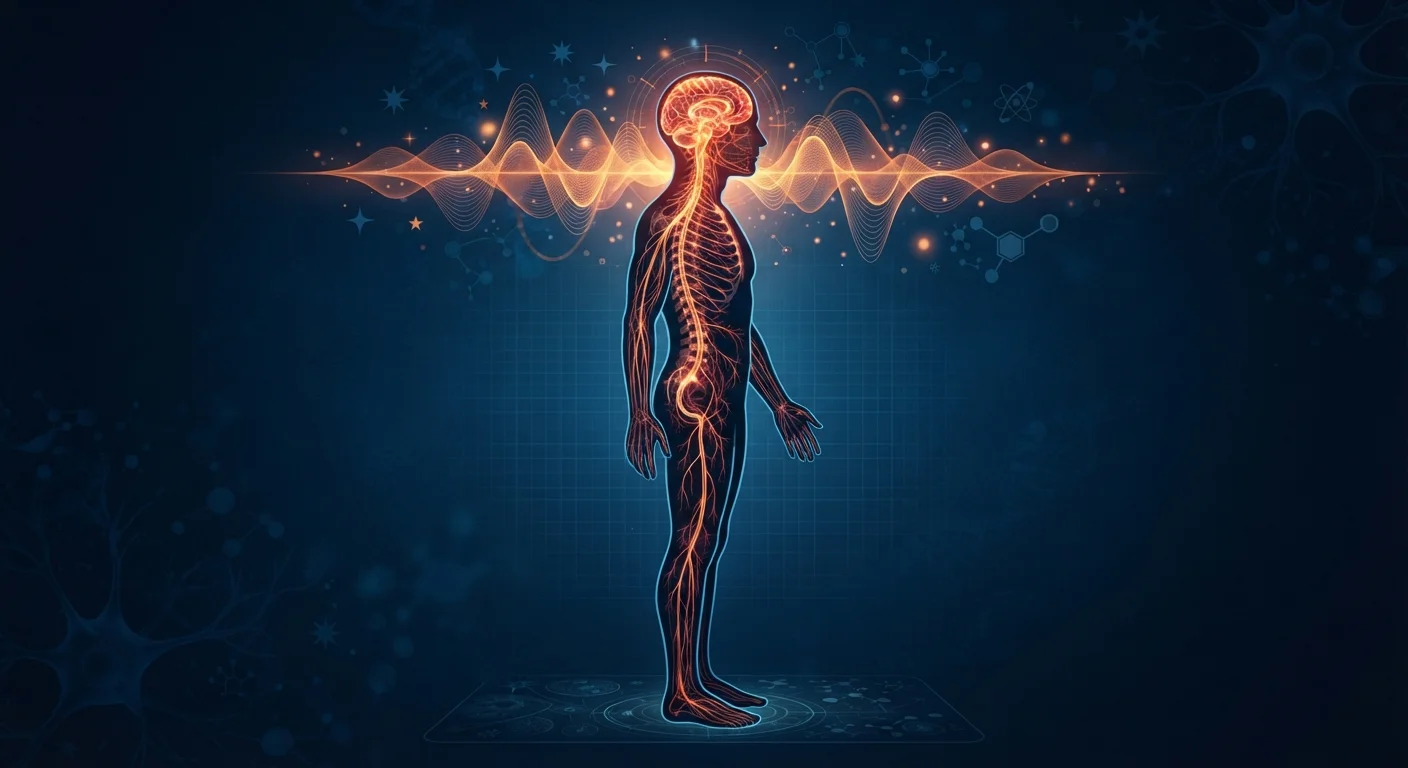
The Biology Behind Stress
When your brain perceives a threat - whether it's a car cutting you off or a looming work deadline - it sets off a rapid chain of events. The amygdala, the brain's alarm center, signals the hypothalamus, which activates the autonomic nervous system. Within seconds, adrenaline floods the bloodstream: your heart rate increases, your muscles tense, and your senses sharpen. This is your body preparing to either confront or flee the danger.
Shortly after, cortisol follows. Often called the 'stress hormone,' cortisol helps sustain this heightened state by increasing blood sugar for quick energy and temporarily dialing down functions the body deems non-essential - like digestion and immune activity. Once the perceived threat passes, hormone levels typically return to baseline and the body recovers.
77%
Americans reporting physical stress symptoms
According to the American Psychological Association's Stress in America survey, a large majority of adults experience physical symptoms they attribute to stress.
2-3x
Elevated heart disease risk with chronic stress
Research published in peer-reviewed cardiovascular journals links sustained psychological stress to a significantly higher relative risk of cardiovascular events.
30%
Reduction in immune response under chronic stress
Studies in psychoneuroimmunology have found that prolonged stress can reduce certain immune markers by roughly this magnitude, affecting infection resistance.
This acute stress response is genuinely useful in short doses. The problem begins when the trigger never fully disappears.
What Happens When Stress Becomes Chronic
Chronic stress occurs when the body's alarm system stays switched on for extended periods - weeks, months, or even years. Persistently elevated cortisol starts to interfere with normal body functions in ways that compound over time.
- Immune system: Sustained cortisol suppresses inflammatory responses, making it harder for your body to fight infections and recover from illness.
- Cardiovascular system: Chronic stress contributes to higher blood pressure and increased heart rate, placing ongoing strain on the heart and blood vessels.
- Digestive system: Stress disrupts gut motility and can worsen conditions like irritable bowel syndrome (IBS) or acid reflux.
- Sleep: High cortisol at night interferes with the natural drop in arousal needed to fall and stay asleep.
Understanding how the body and mind influence each other is essential here - the physical toll of stress is inseparable from its emotional effects. For a deeper look at this relationship, see how physical health shapes mood.
Notice Your Body's Early Warning Signs
Muscle tension in the shoulders, jaw clenching, or shallow breathing are often among the first physical signs that your stress response has activated. Tuning into these signals early - before they escalate - gives you a better window to use calming strategies. Simple techniques like slow diaphragmatic breathing can help signal to the nervous system that the threat has passed.
How Stress Rewires the Brain
Beyond the body, chronic stress produces measurable changes in the brain itself. Research using neuroimaging has identified three key regions most affected:
- Prefrontal Cortex
- This region handles rational thinking, planning, and impulse control. Prolonged stress reduces its activity and, over time, may reduce its volume - making clear decision-making harder during stressful periods.
- Hippocampus
- Central to memory formation and learning, the hippocampus is particularly sensitive to cortisol. Chronic exposure is associated with reduced hippocampal volume and impaired memory consolidation.
- Amygdala
- Chronic stress can actually enlarge the amygdala and make it more reactive, reinforcing a cycle where the brain becomes quicker to trigger the stress response - even to minor stimuli.
“The brain is not hard-wired and fixed, but is rather a dynamic organ that is constantly being shaped - for better or worse - by our experiences, including stress.”
— Bruce McEwen, Neuroendocrinologist and former Head of the Harold and Margaret Milliken Hatch Laboratory of Neuroendocrinology, Rockefeller University
These neurological changes help explain why people under persistent stress often report feeling foggy, forgetful, or emotionally reactive in ways that feel out of proportion.
Recognizing Stress Symptoms Before They Compound
Stress manifests differently for different people, but common signals span physical, emotional, and behavioral categories:
- Frequent headaches or muscle tension, especially in the neck and shoulders
- Difficulty concentrating or making decisions
- Irritability, mood swings, or a sense of feeling overwhelmed
- Changes in appetite - eating significantly more or less than usual
- Disrupted sleep patterns, including trouble falling asleep or waking early
- Withdrawing from social activities or obligations
Early recognition matters because the stress response is self-amplifying: physical symptoms cause additional psychological distress, which triggers more cortisol release. Breaking that cycle earlier is generally easier than intervening after prolonged exposure.
Spending time in natural environments is one approach that has gained meaningful research attention. Evidence suggests it may reduce cortisol and lower subjective stress - learn more in our article on what spending time outdoors does for the mind.
For a broader look at evidence-supported strategies, stress management approaches explores how exercise, therapy, and other tools compare.
This article is for general informational and educational purposes only and is not a substitute for professional medical advice, diagnosis, or treatment. Always consult a qualified healthcare provider about any health concerns or before making changes to your health routine.