The Biology Behind Both Types
When you encounter a stressor - whether it's a near-miss on the highway or an unrelenting workload - your brain triggers the same core response: the hypothalamic-pituitary-adrenal (HPA) axis activates, adrenaline surges, and cortisol floods the bloodstream. Heart rate climbs, muscles tense, and attention narrows. This is the classic fight-or-flight mechanism, and it's the shared foundation of both acute and chronic stress.
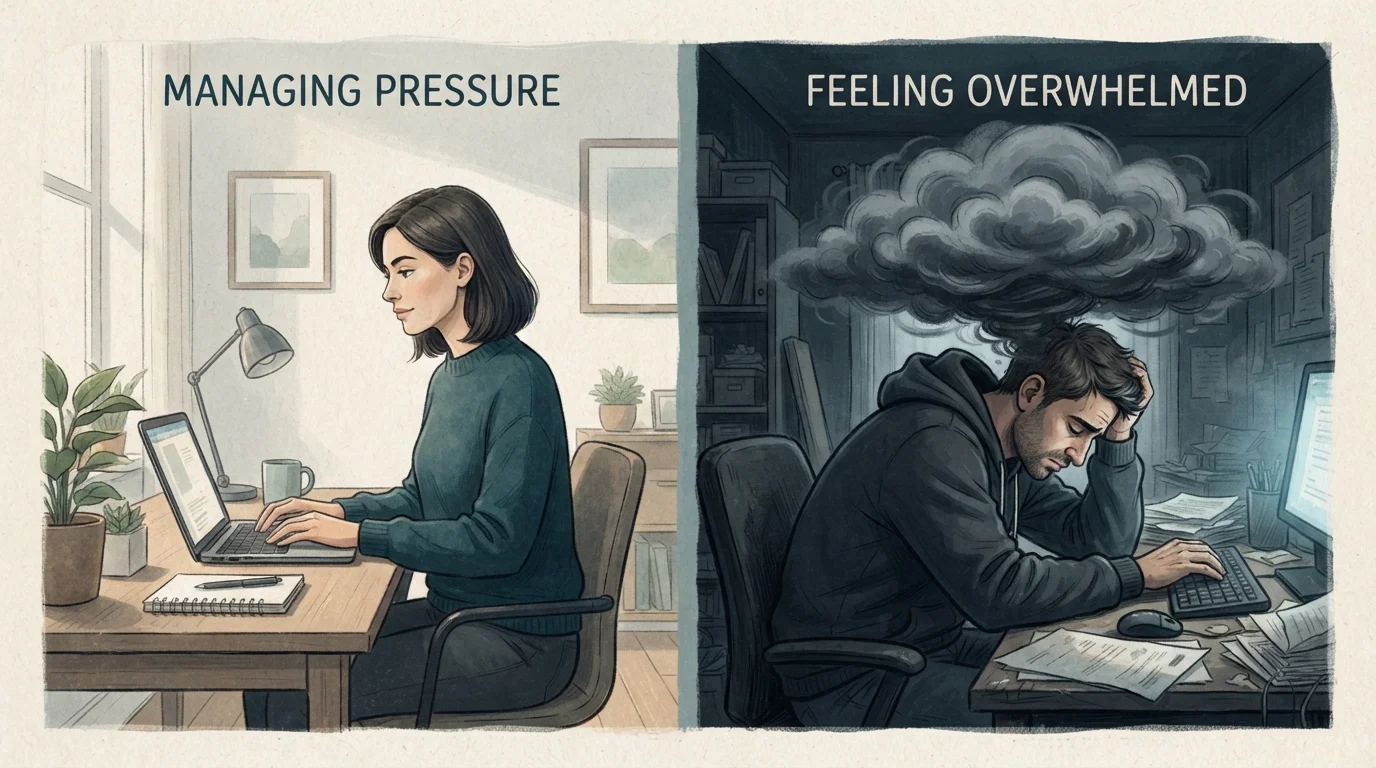
The critical difference lies in duration and recovery. With acute stress, the HPA axis quiets once the threat has passed. Cortisol levels drop, the parasympathetic nervous system restores calm, and the body returns to a stable baseline. With chronic stress, that reset never fully happens. The HPA axis remains activated, cortisol stays elevated, and the body's systems - cardiovascular, immune, digestive, and hormonal - bear the sustained burden.
To understand more about what this process looks like at the cellular and organ level, see what stress actually does to your body and brain.
| Criterion | Acute Stress | Chronic Stress |
|---|---|---|
| Duration | Short-term; resolves with stressor | Prolonged; persists beyond stressor |
| Cortisol pattern | Spikes then returns to baseline | Remains chronically elevated |
| Biological function | Adaptive and protective | Potentially harmful over time |
| Common triggers | Deadlines, emergencies, conflicts | Financial strain, caregiving, work pressure |
| Physical symptoms | Temporary tension, racing heart | Fatigue, illness, sleep disruption |
| Psychological impact | Heightened focus; eustress possible | Linked to depression, anxiety, burnout |
| Typical response strategy | In-the-moment coping techniques | Sustained lifestyle and professional support |
How Chronic Stress Compounds Over Time
Acute stress can be protective - it helps you meet a deadline, respond to an emergency, or push through a difficult challenge. But when the stress response runs continuously, the same biological mechanisms that protect you in the short term begin to work against you.
Persistently elevated cortisol is associated with a range of health concerns, including suppressed immune function, increased blood pressure, disrupted sleep architecture, impaired memory consolidation, and heightened inflammation. Research also links chronic stress to increased risk of depression and anxiety - conditions that can, in turn, amplify the experience of stress itself, creating a difficult cycle. For context on where chronic stress ends and clinical anxiety begins, the difference between anxiety and everyday worry is worth exploring.
One particularly relevant endpoint of sustained chronic stress is burnout - a state of emotional, physical, and cognitive exhaustion that goes beyond ordinary fatigue. Understanding burnout can help you recognize when chronic stress has crossed into a more serious territory that requires deliberate recovery.
77%
Americans reporting physical stress symptoms
According to surveys by the American Psychological Association, a large majority of U.S. adults report experiencing physical symptoms they associate with stress.
3x
Higher cardiovascular risk with chronic work stress
Research published in peer-reviewed cardiology literature suggests chronic occupational stress may be associated with significantly elevated cardiovascular risk over time.
50%+
Immune function reduction linked to prolonged stress
Psychoneuroimmunology research indicates sustained stress-related cortisol elevation can measurably suppress key markers of immune response.
Recognizing Which Type You're Experiencing
Distinguishing between the two types in your own life starts with asking a few grounding questions:
- Is there a clear, identifiable stressor? Acute stress usually has a defined source - an event, a task, a conflict.
- Does the stress ease once the situation resolves? If it does, that's more consistent with an acute pattern.
- Have you felt consistently overwhelmed for weeks or months, regardless of what's happening day to day? That pattern suggests chronic stress.
- Are physical symptoms - persistent fatigue, frequent illness, headaches, or disturbed sleep - accompanying the stress? These can be indicators that the stress response has been running too long.
It's also worth noting that chronic stress can exist even when no single dramatic stressor is present. Low-grade, ongoing pressures - financial strain, caregiving demands, workplace tension, or social isolation - can collectively sustain the same biological activation as more visible crises.
Stress vs. Anxiety: An Important Distinction
While chronic stress and anxiety can look similar - and sometimes co-occur - they are not the same thing. Stress is generally tied to an external stressor; anxiety can persist even in the absence of an identifiable trigger. If you're unsure whether what you're experiencing is stress or something else, a mental health professional is best placed to help you make sense of the pattern.
Responding Appropriately to Each Type
Because acute and chronic stress differ in their mechanisms and timelines, they call for meaningfully different responses. Acute stress often responds well to immediate, in-the-moment strategies: controlled breathing, grounding techniques, or brief physical movement can help activate the parasympathetic nervous system and speed recovery.
Chronic stress, by contrast, requires structural change - not just symptom relief. That may include addressing the ongoing stressors themselves (where possible), building sustainable recovery habits, strengthening social connection, and often working with a mental health professional. Stress management approaches vary widely, and finding what fits your circumstances is more effective than applying a one-size-fits-all solution.
For anyone whose stress is significantly affecting sleep, relationships, physical health, or ability to function day to day, consulting a licensed healthcare or mental health provider is an important step - not a last resort.
This article is for general informational and educational purposes only and is not a substitute for professional medical or mental health advice, diagnosis, or treatment. Always consult a qualified healthcare professional regarding any health concerns or before making changes to your care.