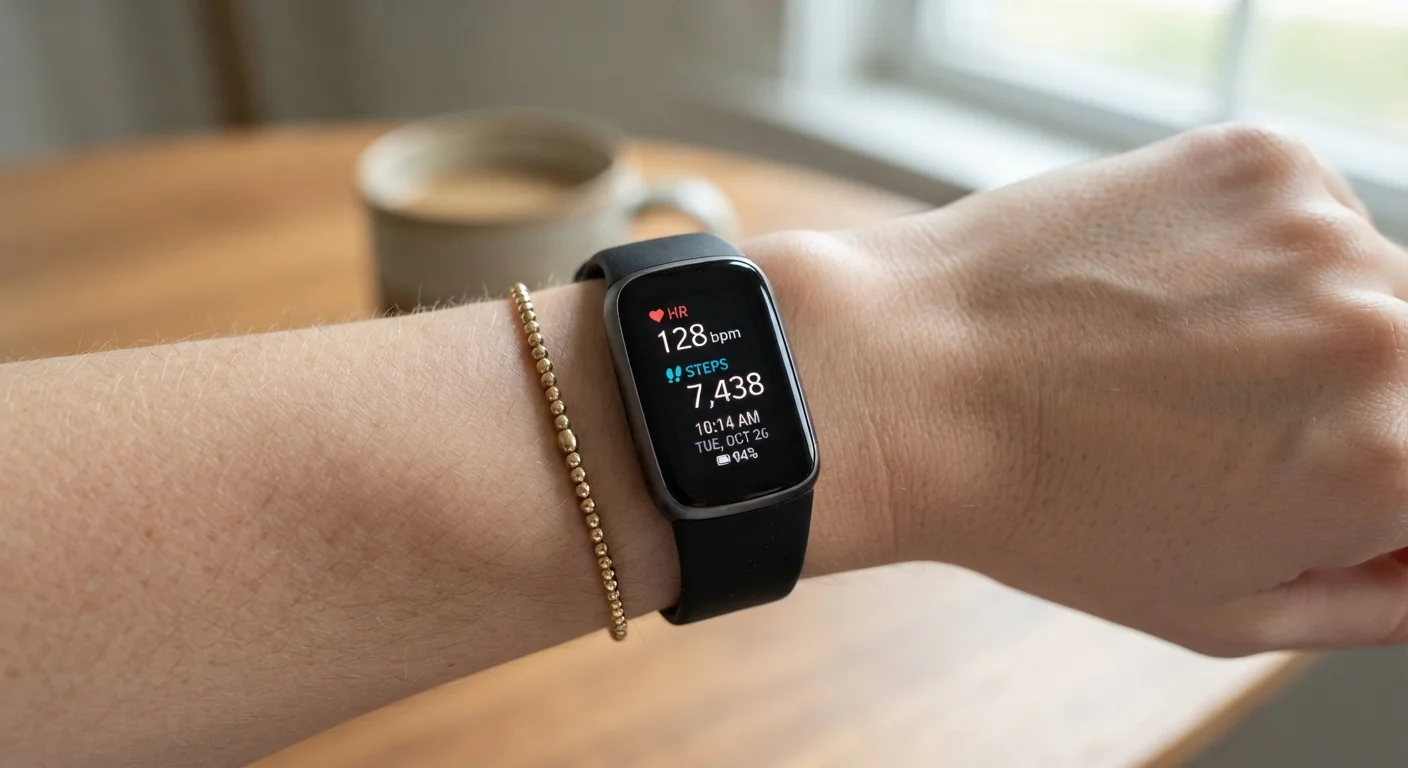
How Fitness Trackers Actually Work
Most wrist-worn fitness trackers rely on a combination of an accelerometer (which detects motion and orientation), an optical heart rate sensor (which uses light to detect blood flow through the skin), and algorithms that interpret raw sensor signals into readable metrics. Some devices add GPS, pulse oximetry (SpO2 sensors for estimating blood oxygen), skin temperature sensors, and electrodermal activity sensors.
The accuracy of any given metric depends heavily on how well the underlying sensor captures the relevant biological signal - and how sophisticated the algorithm is at translating that signal into a meaningful number. This is why different metrics on the same device can have very different reliability profiles. Understanding that distinction is what helps you use the data wisely.
For a broader look at how tracking technologies work in everyday contexts, it's worth noting that fitness devices share conceptual ground with tools like home energy monitors: both convert raw physical signals into actionable data, and both have limits that affect how literally you should read their outputs.
What Fitness Trackers Measure Well
Several metrics tend to hold up reliably across most consumer-grade wearables:
Accurate step counting for everyday walking
Accelerometer-based step detection is well-validated for normal walking on flat surfaces. Most major devices show error rates below 5% in controlled walking studies.
Reliable resting heart rate monitoring
Optical heart rate sensors perform closely to chest-strap and clinical monitors during rest and low-intensity activity, making them useful for tracking cardiovascular fitness trends over time.
Useful measure of overall daily movement
Even imprecise calorie data still accurately captures whether you were sedentary or active, giving you meaningful behavioral feedback about your movement patterns throughout the day.
Consistent long-term trend tracking
Because the same sensor and algorithm runs every day, relative trends - a rising or falling resting heart rate over weeks - can be informative even when absolute values are imperfect.
Supports accountability and habit formation
Visible data and goal prompts have been shown in multiple studies to increase physical activity, particularly in previously sedentary individuals during the first few months of device use.
Step counting is the metric with the longest track record, and research consistently finds that modern trackers perform well on flat, steady walking - the most common daily movement pattern. Resting heart rate is similarly well-established: optical sensors can capture your average pulse during sleep or low-activity periods with accuracy that approaches medical-grade monitors, making it useful for tracking cardiovascular trends over weeks and months.
Active minutes and general movement patterns are another strength. Even if the calorie math is off (more on that below), the device is reliably detecting whether you sat still for six hours or moved regularly throughout your day - information that has genuine behavioral value. For reference points on what healthy activity levels look like, see general fitness benchmarks.
Where the Data Gets Less Reliable
Several commonly promoted metrics carry meaningful error margins that are worth understanding before acting on them:
Calorie burn estimates carry large error margins
Research has found wrist-worn trackers can overestimate energy expenditure substantially - sometimes by 50% or more - partly because individual metabolism varies in ways a wrist sensor cannot detect.
Sleep stage breakdowns are not clinically validated
Consumer trackers infer sleep stages from motion and heart rate data, lacking the electroencephalogram (EEG) brainwave monitoring required for accurate staging. Total sleep duration is more reliable than stage-level detail.
Heart rate accuracy drops during high-intensity exercise
During activities like HIIT, heavy lifting, or interval runs, arm movement and skin contact changes can cause optical sensors to produce readings that diverge significantly from true heart rate.
Blood oxygen (SpO2) readings are not diagnostic
Consumer SpO2 sensors are not approved for medical monitoring and can be affected by skin tone, tattoos, cold hands, and sensor fit. They should not be used to assess or manage any health condition.
Step counts are less accurate for non-walking activities
Cycling, rowing, weightlifting, and other activities that don't involve the characteristic wrist movement of walking can be misread, undercounted, or overcounted by accelerometer-based systems.
Calorie burn estimates are arguably the most problematic metric in common use. Studies have found wrist-based trackers can overestimate energy expenditure by 20-90% depending on the device and individual. This parallels a limitation worth comparing to dietary calorie counting: both tools offer useful approximations, but neither delivers the precision many people assume.
Sleep staging - the breakdown of light, deep, and REM sleep - is another area where trackers fall well short of clinical polysomnography. Consumer devices infer sleep stages primarily from movement and heart rate variability, lacking the brainwave data that makes lab-based sleep studies definitive. The broad pattern (how long you slept, whether sleep was interrupted) is more reliable than the stage-by-stage breakdown.
Skin Tone and Sensor Accuracy
Research has raised concerns that optical heart rate sensors may perform less accurately on individuals with darker skin tones, as higher melanin levels can affect how light is absorbed and reflected by the skin. This is an active area of research and device development. If you notice readings that seem inconsistent, ensuring a snug wrist fit and trying different sensor positions may help, but the limitation is worth being aware of.
Using Tracker Data to Build Real Habits
The strongest evidence for fitness tracker benefit isn't in measurement precision - it's in behavior change. Research has linked wearable use to modest but meaningful increases in daily step counts and reductions in sedentary time, particularly in the early months of use. The mechanism is largely psychological: visible data creates accountability and a feedback loop that many people find motivating.
~40%
Average calorie burn overestimation in studies
A frequently cited Stanford University study found wrist-worn devices overestimated energy expenditure by an average of around 40%, with some devices exceeding 90% error.
~1,800 steps/day
Average increase linked to tracker use
A review published in the Journal of the American Medical Association found that wearable device users increased their daily step count by roughly 1,800 steps compared to non-users.
That behavioral function works best when you focus on trends rather than individual readings. A single day's step count or a one-night sleep score means relatively little. A four-week trend in resting heart rate declining slightly as you increase activity - that's the kind of signal worth paying attention to. This framing also helps avoid common fitness myths, such as the idea that a specific daily step target is a magic threshold with universal health significance.
This article is for general informational purposes only and does not constitute medical advice. If you have questions about your health, heart rate, sleep, or fitness, consult a qualified healthcare professional.