Why Low-Impact Exercise Matters
For millions of American adults living with arthritis, joint injuries, or simply the wear that comes with age, staying active can feel like a catch-22: movement helps manage symptoms, but the wrong movement makes things worse. Low-impact exercise resolves this tension by delivering real fitness benefits - cardiovascular conditioning, strength, flexibility, and mental wellbeing - while minimizing the compressive and shear forces that irritate sensitive joints.
Low-impact does not mean no impact. It means the activity avoids the sudden, high-force ground contacts associated with running, jumping, or heavy sport. This distinction opens up a wide range of effective options, whether you're managing osteoarthritis, recovering from a procedure, or simply want to exercise more sustainably as you age. Our guide on staying active through your 40s, 50s, and beyond covers how fitness needs evolve over the decades.
Low-Impact Doesn't Mean Low-Benefit
A common misconception is that low-impact exercise is only for beginners or those with serious limitations. In reality, many competitive athletes include swimming, cycling, and yoga as core elements of their training. The absence of high-impact forces doesn't reduce the cardiovascular, metabolic, or strength-building potential of these activities - it simply removes an unnecessary source of joint stress.
The six options below are well-supported by exercise science and widely accessible. As always, if you have a diagnosed joint condition or have been advised to limit certain movements, speak with your healthcare provider or a physical therapist before starting a new routine.
Six Low-Impact Activities Worth Knowing
Swimming and Water Aerobics
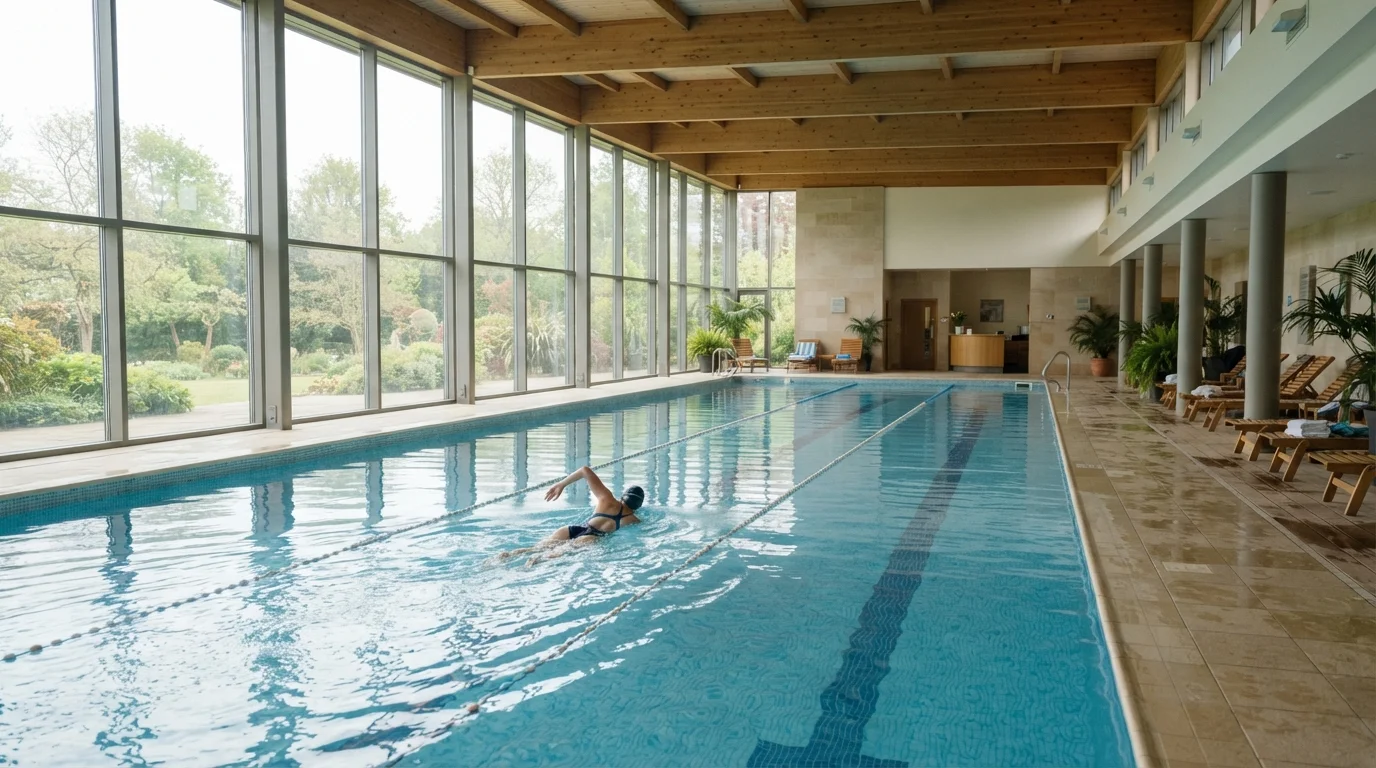
Water is one of the most joint-friendly environments for exercise. Buoyancy supports up to 90% of your body weight while submerged to the neck, dramatically reducing the load placed on hips, knees, and ankles. Swimming engages nearly every major muscle group and provides genuine cardiovascular conditioning.
Water aerobics classes offer a social, structured option that's particularly popular among older adults and those recovering from joint surgery. The water's natural resistance also means you're building strength with every movement - without the jarring impact of land-based exercise.
Buoyancy supports up to 90% of body weight, making water the ultimate joint-friendly training environment.
Cycling (Stationary or Outdoor)
Cycling keeps your feet in continuous, smooth contact with a surface rather than repeatedly striking the ground. This circular motion minimizes compressive forces on the knees and hips while still delivering meaningful aerobic conditioning. Stationary bikes allow precise control of resistance and eliminate road hazards, making them a practical choice for beginners or those managing pain flare-ups.
Proper bike fit matters significantly. Seat height should allow a slight bend at the knee at the bottom of the pedal stroke - too low a seat increases knee strain. If you're uncertain about setup, a sporting goods staff member or physical therapist can help.
The smooth, circular motion of cycling minimizes compressive forces on hips and knees while building aerobic fitness.
Elliptical Training
The elliptical machine replicates a walking or running stride without the heel-strike impact. Studies have shown that elliptical training produces significantly lower ground reaction forces compared to treadmill running, making it a viable alternative for adults who want running-intensity cardio with reduced joint stress.
Most elliptical machines also include moveable handlebars, which engage the upper body and distribute the workload more evenly. Adjusting incline and resistance allows you to progressively challenge yourself as your fitness improves - an important element of any long-term program.
Elliptical training delivers running-level cardio intensity while significantly reducing ground reaction forces on joints.
Yoga
Yoga builds flexibility, balance, and functional strength through controlled, weight-bearing movement that is largely performed at your own pace. Many poses can be modified using blocks, straps, or a chair, making it accessible to those with limited range of motion. Chair yoga, in particular, is a well-established option for older adults or individuals with significant joint limitations.
Beyond physical benefits, yoga's emphasis on breathwork and mindfulness supports stress management - a factor that research suggests may influence inflammation levels in the body. For more on the broader relationship between movement and mental health, see our mental wellbeing hub.
Yoga's combination of flexibility, balance, and breathwork offers both physical and mental health benefits for joint-sensitive adults.
Walking
Walking is the most accessible low-impact exercise available - it requires no equipment, no membership, and no previous fitness experience. While it does involve ground impact, that impact is far lower than running and is generally well-tolerated by adults with mild to moderate joint concerns. Supportive footwear and even, well-maintained surfaces help reduce unnecessary stress.
Brisk walking can meaningfully improve cardiovascular health, support weight management, and strengthen the muscles that stabilize the knees and hips. For a different approach to fitting movement into a busy day, brief movement breaks are worth exploring.
Brisk walking strengthens joint-stabilizing muscles while delivering measurable cardiovascular benefits with minimal equipment.
Resistance Training with Low Joint Load
Strength training is not inherently high-impact. Seated machines, resistance bands, and water-based resistance exercises allow you to build muscle without putting excessive stress through vulnerable joints. Stronger muscles around the knee and hip directly reduce the load those joints must absorb during daily activity - making resistance work a protective strategy, not just a fitness goal.
Starting with lighter resistance and focusing on controlled movement quality is more important than lifting heavy. If you're new to strength work, understanding how it complements cardio can help you build a balanced program - our article on cardio vs. strength training offers a clear breakdown of what each delivers.
Stronger muscles around joints directly reduce the load those joints absorb - making resistance training genuinely protective.
Start Gradually and Build Over Time
If you're returning to exercise after a period of inactivity or managing a joint condition, begin with shorter sessions at moderate intensity. Even 10-15 minutes of walking or gentle cycling several times a week builds a foundation. Gradual progression reduces injury risk and makes it far easier to stay consistent over the long term - which is what produces lasting results.
Pair any of these activities with appropriate stretching to maintain range of motion and reduce post-exercise stiffness. Understanding static versus dynamic stretching helps you warm up and cool down in ways that actually support joint health rather than strain it.
This article is for general informational purposes only and does not constitute medical advice. Individuals with joint conditions, chronic pain, or other health concerns should consult a qualified healthcare professional before beginning or modifying an exercise program.