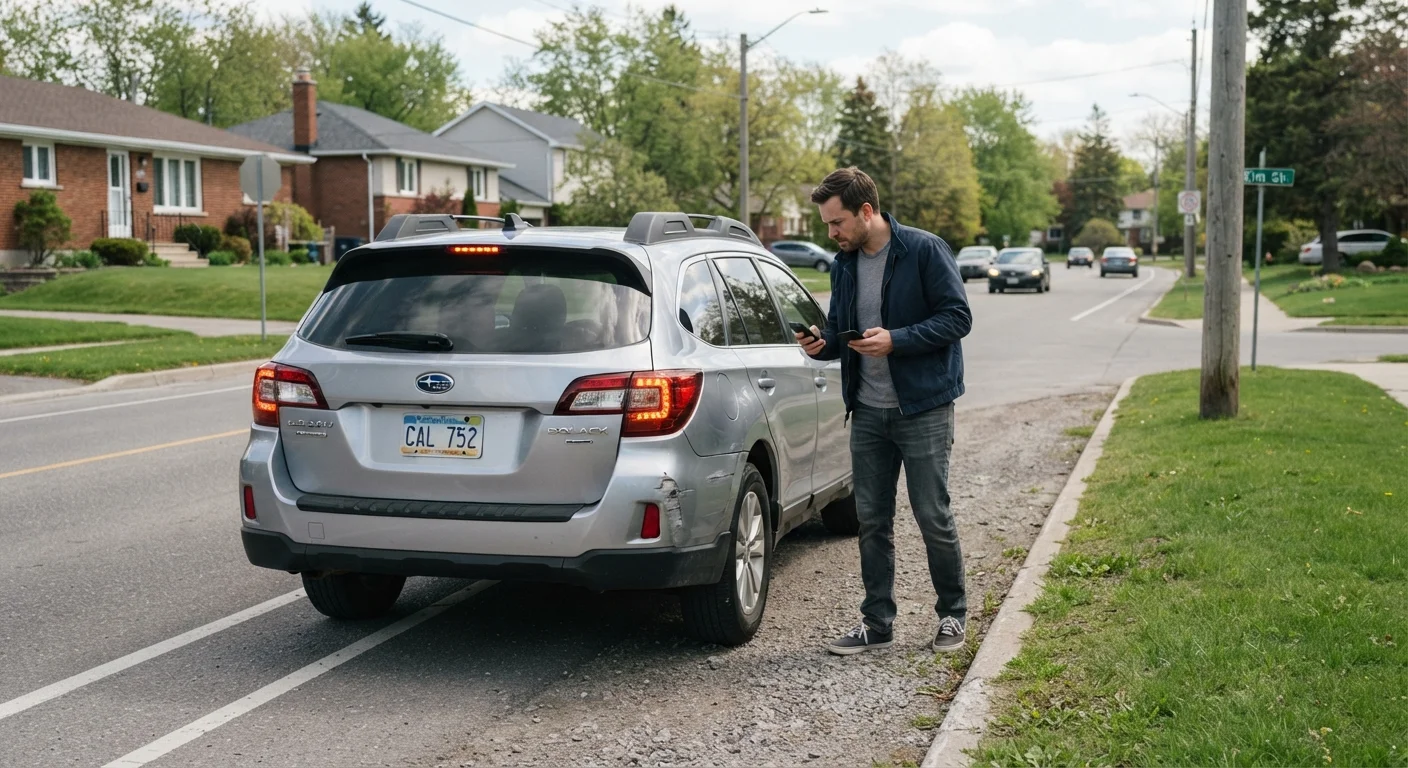
Why the First Minutes Matter Most
A car accident compresses time in the worst possible way. You have moments to make decisions that affect your safety, your legal standing, and the outcome of an insurance claim that may take weeks or months to resolve. Disorientation and shock are normal physiological responses - which is exactly why knowing the right sequence of actions in advance is so valuable.
The steps below apply to the vast majority of crashes on American roads, from minor fender-benders in parking lots to more serious multi-vehicle incidents on the highway. Having a clear mental framework means you can act rather than freeze when it counts.
What you will need
Understanding your insurance coverage before an accident happens is equally important. If you're not certain what your policy actually pays for, our introduction to auto insurance coverage is a useful starting point.
Step-by-Step: What to Do at the Scene
Move to Safety and Activate Your Hazard Lights
If the vehicles are driveable and it is safe to do so, pull to the shoulder or a nearby parking lot. Turn on your hazard lights immediately. If the crash occurred on a highway and moving the car could endanger you, stay inside with your seatbelt fastened and call 911. Secondary collisions at accident scenes are a real and underappreciated risk.
Check for Injuries and Call 911
Check yourself and any passengers for injuries before exiting the vehicle. Call 911 even if injuries appear minor - adrenaline can mask pain, and some injuries (like whiplash or internal trauma) may not present symptoms immediately. Many states require a police report for accidents above a certain damage threshold, and an official report strengthens any future insurance claim.
Exchange Information with the Other Driver
Collect the following from every driver involved:
- Full legal name and contact number
- Driver's license number and issuing state
- License plate number and state
- Insurance company name and policy number
- Vehicle make, model, year, and color
Provide your own equivalent details in return. Be factual and civil, but do not discuss fault or speculate about what happened.
Document the Scene Thoroughly
Use your phone to photograph all vehicles from multiple angles, capturing damage, license plates, and the general scene including road conditions, traffic signs, and skid marks. If there are witnesses, ask for their names and phone numbers - independent witness accounts carry significant weight with insurers and in legal proceedings.
Get the Police Report Number
When officers arrive, cooperate fully and describe events factually. Once a report is filed, ask the officer for the report number and the department where you can obtain a copy. This document is often required by your insurer when you file a claim, and it provides an independent record of the incident.
Notify Your Insurance Company
Contact your insurer as soon as possible after leaving the scene - ideally the same day. Most policies require prompt notification of accidents, and delays can complicate or jeopardize your claim. Provide accurate information and share the photos, police report number, and other driver's details. If you're unsure what your policy covers in this situation, review our common coverage myths after an accident before your call.
Never Admit Fault at the Scene
Saying "I'm sorry" or accepting blame - even casually - can be used against you during an insurance claim or legal proceeding. Liability is determined by investigators, adjusters, and sometimes courts, not by roadside exchanges. Stick to factual statements and let the process work as designed.
Once you've completed the immediate steps, take a moment to write down your own account of what happened while memory is fresh - the sequence of events, weather and road conditions, time of day, and anything you noticed before impact. This personal record can be a useful reference if questions arise later.
Keep an Accident Info Card in Your Glove Box
Print or download a simple accident information checklist and store it with your registration. In the shock of a crash, it's easy to forget what details to collect. Having a reference card means you won't miss critical information even when your adrenaline is running high.
If you want to understand exactly which type of coverage applies to a collision with another driver versus a non-collision event like weather damage, our breakdown of collision vs. comprehensive coverage explains the key differences clearly.
After the Scene: Next Steps to Protect Your Claim
Once you're away from the scene, monitor yourself and any passengers for delayed symptoms over the following 24 to 72 hours. Seek medical evaluation promptly if anything feels off - both for your health and because documented medical care creates an important record if injuries become part of a claim.
Keep all receipts and records related to the accident: towing invoices, rental car expenses, and any medical visits. Your insurer will typically ask for this documentation during the claims process.
Don't Leave the Scene Prematurely
Leaving the scene of an accident before exchanging information or speaking with police - even if the damage appears minor - can result in a hit-and-run charge under most state laws. Stay put, stay calm, and wait for law enforcement to arrive if there are injuries or significant damage.
Accidents caused by reversing and low-speed maneuvers are among the most common - and preventable. If you'd like to reduce your risk of future collisions, see our guide on backing up safely.
This article is for general informational purposes only and does not constitute legal, financial, or insurance advice. Coverage terms, claim procedures, and legal requirements vary by state and by policy. Consult a licensed insurance professional or qualified attorney for guidance specific to your situation.