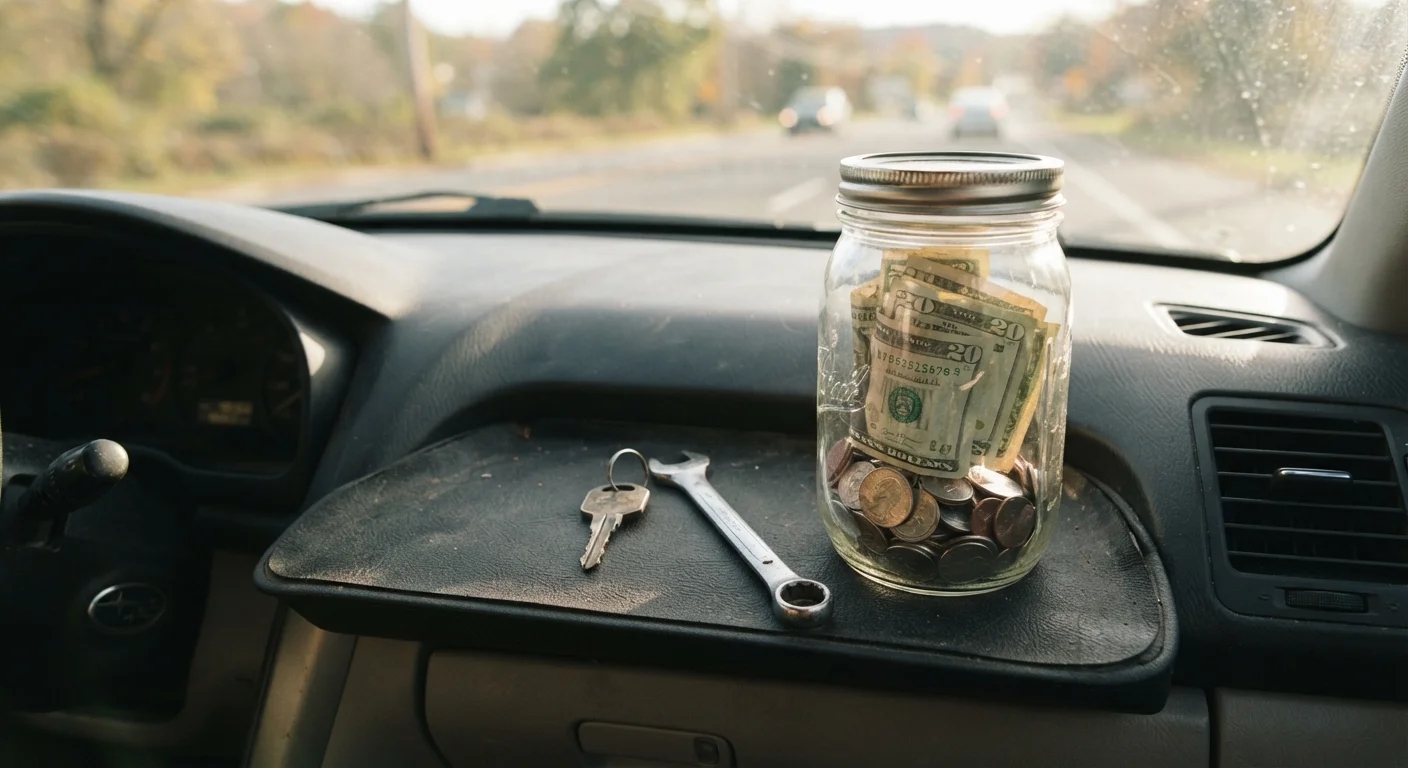
Why a Car-Specific Fund Makes Sense
A general emergency fund is essential, but treating car repairs as just another line item within it creates a problem: a $1,200 transmission repair can hollow out savings meant for job loss or medical bills. A vehicle repair fund is a separate, purpose-built cushion that absorbs the near-certain costs of owning a car without destabilizing your broader financial safety net.
According to data from the automotive services industry, the average unexpected car repair bill in the U.S. runs between $500 and $1,500 depending on the component and labor market. That figure climbs higher for older or higher-mileage vehicles. For most households, that kind of unplanned expense - arriving with no warning - is enough to trigger credit card debt or force a delay in other financial goals.
For a broader look at how much total emergency savings your household may need, see our guide to sizing an emergency fund. And if lumpy, irregular expenses are a challenge in your monthly budget, budgeting for irregular expenses offers a practical framework.
$500-$1,500
Average unexpected car repair cost
Industry service data consistently shows most single unplanned repairs fall in this range, with higher costs common for older or high-mileage vehicles.
1 in 3
Americans who can't cover a $500 emergency
Federal Reserve survey data has shown roughly a third of U.S. adults would struggle to cover an unexpected $400-$500 expense without borrowing - a gap a dedicated car fund directly addresses.
Best Practices for Building and Maintaining Your Car Fund
The following practices reflect widely accepted principles of personal financial planning applied specifically to vehicle ownership. They are general in nature and not tailored to any individual's financial situation - consult a qualified financial professional for personal guidance.
Keep your car repair fund in a separate, named savings account
Mixing repair savings with everyday checking makes the money psychologically easier to spend on non-car items. A dedicated account with a clear label reinforces its purpose and makes progress visible. It also reduces the temptation to dip in for unrelated expenses.
Set a realistic savings target based on your vehicle's age and mileage
A newer car under manufacturer warranty has very different repair risk than a 10-year-old vehicle approaching 120,000 miles. Calibrating your target to your actual vehicle means you're neither over-saving nor exposed. Repair frequency and cost both tend to increase as vehicles age.
Automate a fixed monthly contribution, however small
Automation removes the decision from every monthly budget cycle and ensures the fund grows consistently even during financially tight periods. Small, steady contributions outperform sporadic large deposits for most people because they build the habit and the balance simultaneously.
Treat routine maintenance as an investment in repair cost reduction
Deferred maintenance is one of the most reliable ways to turn a $30 oil change into a $2,000 engine repair. Staying current on manufacturer-recommended service intervals directly reduces the likelihood of catastrophic component failures that drain emergency savings.
Replenish the fund promptly after any withdrawal
A car repair fund only works as a buffer if it's funded when the next repair arrives. After drawing it down, rebuilding it immediately - even temporarily at a higher monthly contribution - restores the protection before the next unexpected event.
Review and adjust your target annually as the vehicle ages
A car that was low-risk at 60,000 miles is statistically more repair-prone at 90,000. Annual reviews ensure the fund target keeps pace with your vehicle's evolving risk profile. Factors like recent repairs, upcoming scheduled service, and any known issues should all factor in.
Quick Steps You Can Take Today
You don't need to build a fully funded account overnight. Starting small and automating the habit is more valuable than waiting until you can save a large lump sum.
If you're weighing whether to purchase an extended warranty instead of self-funding repairs, the trade-offs are worth understanding carefully. Our article on extended warranties vs. self-insuring repair costs can help you evaluate both paths. And remember: staying current on routine maintenance - or knowing when to DIY vs. call a mechanic - directly reduces the frequency of costly surprises.
Pair Financial Prep with Physical Preparedness
A car emergency fund handles the financial side of a breakdown - but being prepared on the road matters just as much. See our roadside emergency essentials guide for a practical list of items every vehicle should carry. If winter driving is a concern, our winter driving preparation checklist covers overlooked steps that can prevent costly cold-weather breakdowns.