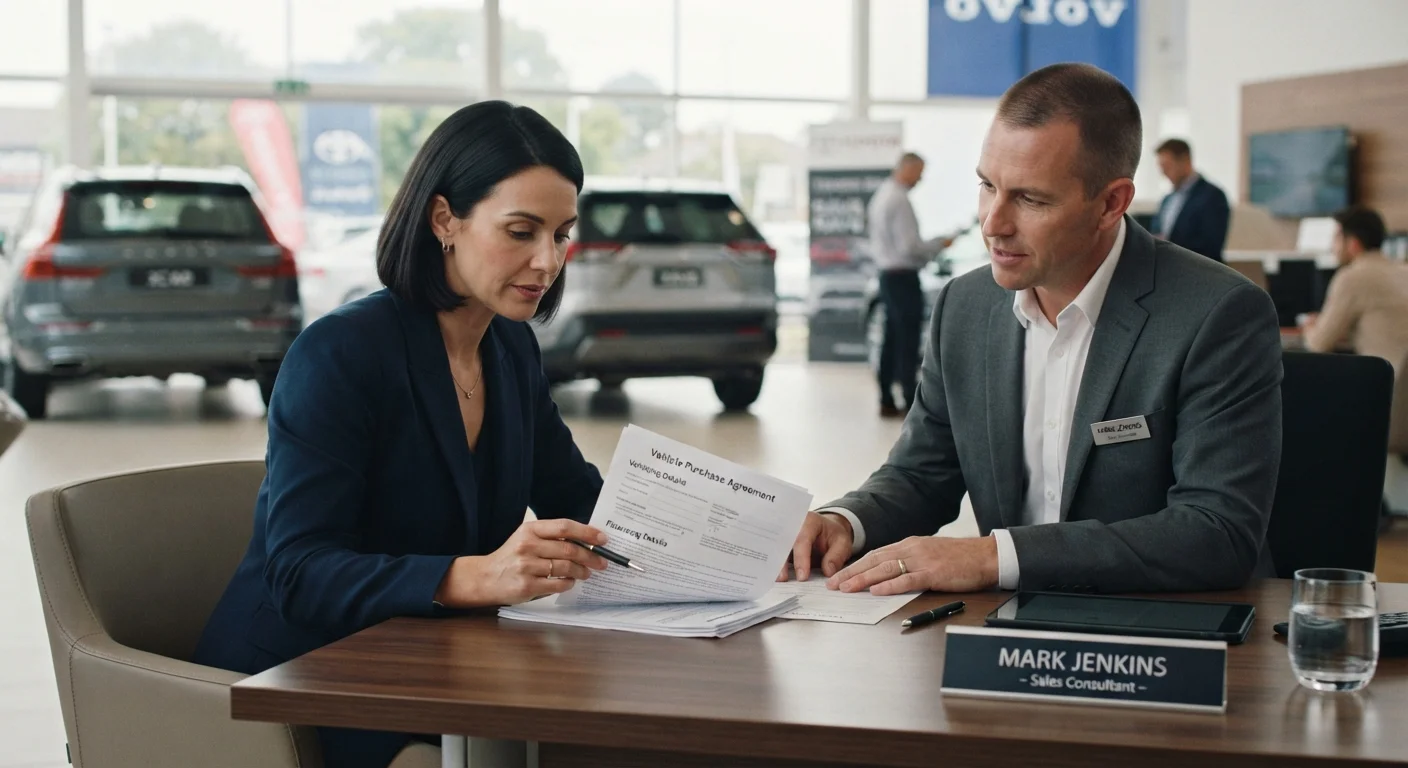
Why Good Intentions Lead to Bad Deals
Most car buyers don't walk into a dealership planning to overpay. They research. They read tips online. They tell themselves they'll stay firm. And yet, a significant share leave with a deal that's less favorable than it should have been - not because they were uninformed, but because the tactics they relied on actually worked against them.
The negotiation dynamics in a car sale are genuinely different from most consumer transactions. Dealers negotiate vehicles daily; most buyers do it a few times in a lifetime. That experience gap matters. Some widely repeated advice - focus on monthly payments, bundle everything together, share your full situation upfront - is either oversimplified or actively exploited once you're across the table.
Understanding where buyers commonly go wrong is the most practical starting point. If you're approaching your first used purchase, a first-timer's roadmap to used car buying covers the broader process before you get to pricing discussions.
Don't Volunteer Your Budget Ceiling
Telling a salesperson the maximum monthly payment you can afford - or your total budget - effectively sets the ceiling of what they'll offer you. Dealers are trained to work toward that number, not below it. Keep your budget private and focus discussions on vehicle price.
The Mistakes That Cost Buyers Most
The errors below aren't about lacking confidence - they're structural missteps that shift leverage to the seller before the real conversation even begins. Each one is common, each one is avoidable, and each one has a clearer alternative.
Focusing negotiations on monthly payment rather than total vehicle price.
Why it happens: Monthly payments feel more manageable and relatable than a large sticker price, so buyers naturally gravitate toward that framing. Dealers know this and use it to their advantage.
Revealing the trade-in before agreeing on the new vehicle's purchase price.
Why it happens: It feels natural to bring up all aspects of the deal at once. Buyers assume transparency builds goodwill and simplifies the process.
Arriving without researching the vehicle's fair market value.
Why it happens: Many buyers trust that sticker prices reflect reasonable market rates, or they feel intimidated researching pricing before visiting a dealership.
Letting visible enthusiasm for a specific car eliminate your willingness to walk away.
Why it happens: Buyers often decide emotionally before they've negotiated, and salespeople are trained to identify and amplify that attachment.
Skipping pre-approved financing and relying entirely on dealer-arranged loans.
Why it happens: Arranging financing through the dealer feels convenient - it's one-stop. Some buyers also assume dealers will offer competitive rates as a courtesy.
Accepting add-on products and packages without scrutiny at the finance office.
Why it happens: After hours of negotiating, buyers are fatigued and relieved to be 'done.' Finance office presentations are fast-paced and use payment framing to obscure individual costs.
Negotiate the Out-the-Door Price, Not Payments
Dealers can manipulate monthly payment figures by stretching loan terms, making a poor deal look affordable. Always negotiate the total vehicle price - including taxes, fees, and add-ons - before discussing financing. Once the out-the-door number is set, financing terms are a separate conversation.
Understanding how dealer economics work can also shift your perspective. Dealer holdback - a manufacturer payment most buyers never hear about - is one example of the pricing flexibility that exists below the surface of most transactions. And if you want to extend these principles to other large purchases, practical approaches to negotiating big-ticket prices apply similar logic across categories.
72%
Buyers who feel anxious negotiating car prices
According to a consumer survey by Cox Automotive, nearly three in four car buyers report feeling anxious about the negotiation process at dealerships.
$1,000+
Potential cost of a stretched loan term
Extending a 48-month loan to 72 months to lower payments can add over $1,000 in interest costs even on a mid-range vehicle purchase.