What Actually Separates CPO from Regular Used?
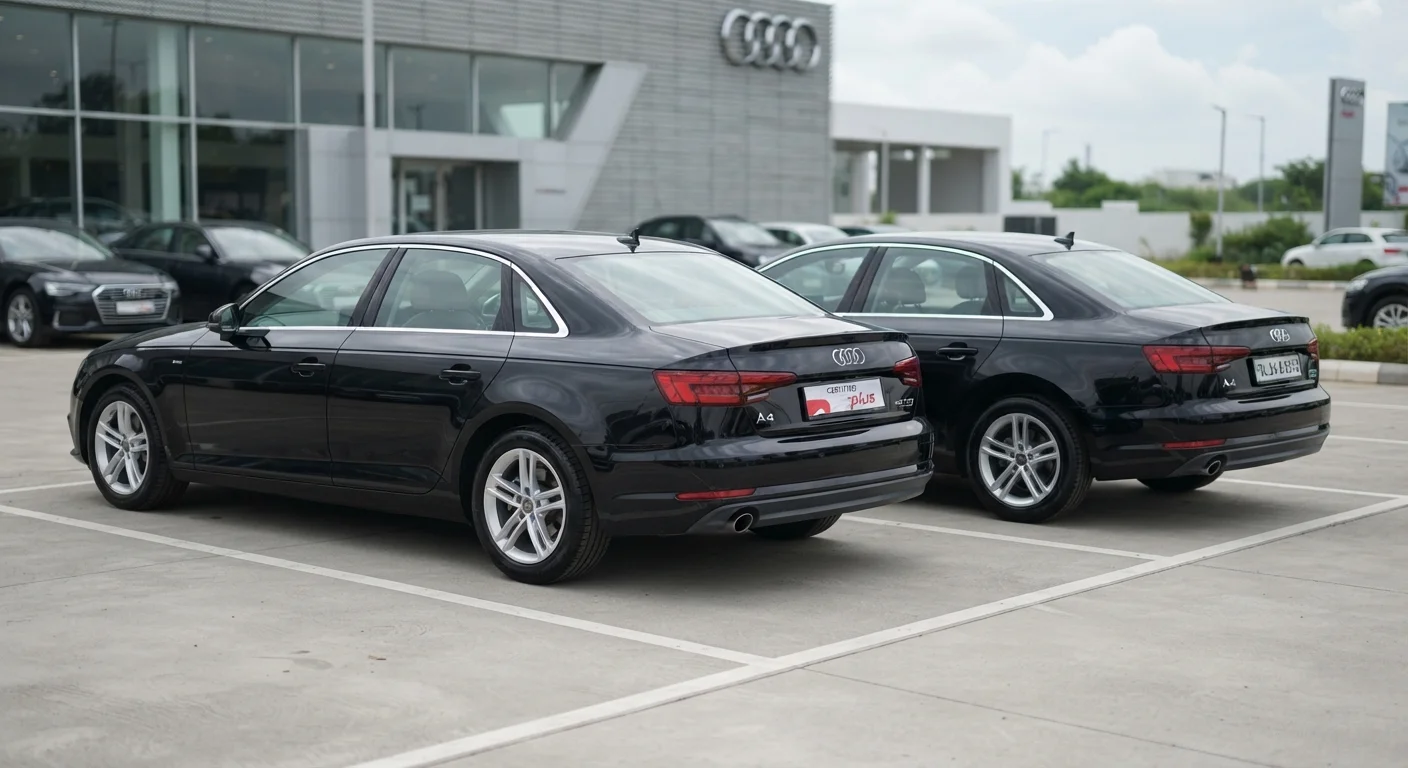
On a dealership lot, a certified pre-owned vehicle and a regular used vehicle can look identical. The difference isn't cosmetic - it's contractual. A CPO vehicle has been inspected against a manufacturer-defined checklist (typically 100-200 points), reconditioned to meet those standards, and enrolled in a warranty program backed by the automaker or a franchised dealer.
Regular used vehicles carry none of those guarantees by default. They may have had a dealer inspection, or they may not. They might come with a short dealer warranty, or be sold strictly as-is. The condition, history, and reliability of a regular used car depends almost entirely on what you verify before purchase - which is why resources like our used car pre-purchase checklist are worth reviewing before you commit.
The key point: CPO is a defined, manufacturer-enrolled category. Regular used is a broad term covering everything else - private seller vehicles, auction units, off-lease cars, and trade-ins that didn't qualify for CPO enrollment.
| Criterion | Certified Pre-Owned (CPO) | Regular Used |
|---|---|---|
| Typical Price | Higher (premium over comparable used) | Lower upfront cost |
| Inspection Requirement | Mandatory multi-point inspection | Varies - may be none |
| Warranty Coverage | Manufacturer-backed warranty included | None, or short dealer warranty |
| Vehicle Age/Mileage Limits | Program-defined limits (e.g. under 6 yrs / 80k miles) | No restrictions |
| Financing Options | Often eligible for special manufacturer rates | Standard used car financing |
| Buyer Risk Level | Lower (warranty backstop) | Higher without independent inspection |
| Best For | Risk-averse buyers, complex vehicles | Budget-focused buyers, older vehicles |
The Real Cost of the CPO Premium
CPO vehicles typically carry a price premium over comparable regular used vehicles - estimates commonly range from $1,000 to $3,500 or more depending on make, model, and market conditions. Whether that premium is worth it depends on what you're actually getting in return.
$1,000-$3,500+
Typical CPO price premium over comparable used
Industry analysts generally estimate CPO vehicles carry this markup relative to non-certified equivalents, though the range varies by brand and market.
100-200 points
Items checked in a typical CPO inspection
Most manufacturer CPO programs require vehicles to pass a multi-point inspection checklist before certification is granted.
~40%
Used vehicle buyers who skip independent inspection
Industry surveys have consistently found a significant share of used car buyers do not obtain a pre-purchase inspection from an independent mechanic.
The value of a CPO warranty is directly tied to how comprehensive it is and how long it lasts. Some manufacturers offer powertrain-only coverage; others extend bumper-to-bumper protection. Coverage periods and mileage limits also vary widely. As our article on what CPO programs actually guarantee explains, the label alone doesn't tell you the full story - you need to read the specific terms.
For a simple, older vehicle with a strong reliability track record, the CPO premium may be hard to justify. For a newer, tech-heavy, or luxury vehicle where a single out-of-warranty repair could run several thousand dollars, the math often shifts in CPO's favor. Think about your repair-cost exposure, not just the sticker difference.
Due Diligence Strategies for Each Path
If you're leaning toward a CPO vehicle, don't assume the label does all the work. Confirm the warranty terms in writing, ask what the inspection specifically covered, and verify the vehicle history report. CPO doesn't mean perfect - it means it met a defined standard at a point in time.
If you're pursuing a regular used vehicle, your due diligence burden is higher but manageable. A vehicle history report (such as from Carfax or AutoCheck) reveals title issues, accident records, and ownership history. More importantly, a pre-purchase inspection from an independent, qualified mechanic - one with no financial stake in the sale - can surface mechanical issues that no visual walkthrough will catch.
Comparing these two routes is fundamentally about how you're allocating risk. CPO transfers some risk back to the manufacturer in exchange for a price premium. Regular used keeps that risk with you, but also keeps more money in your pocket. For a broader framework on when paying a quality premium makes sense, see our piece on categories where paying more usually pays off.
CPO Programs Vary by Automaker
There is no single national standard for what a CPO program must include. A CPO vehicle from one manufacturer may carry a 7-year/100,000-mile powertrain warranty, while another's program offers just 1 year of coverage. Always request the full warranty documentation and read the exclusions before making a decision. For a detailed breakdown, see our guide on what CPO programs actually guarantee.
Neither path eliminates risk entirely. CPO warranties have exclusions and deductibles; regular used vehicles can be excellent buys with proper inspection. Your goal is informed risk management, not the false comfort of assuming one label solves everything.