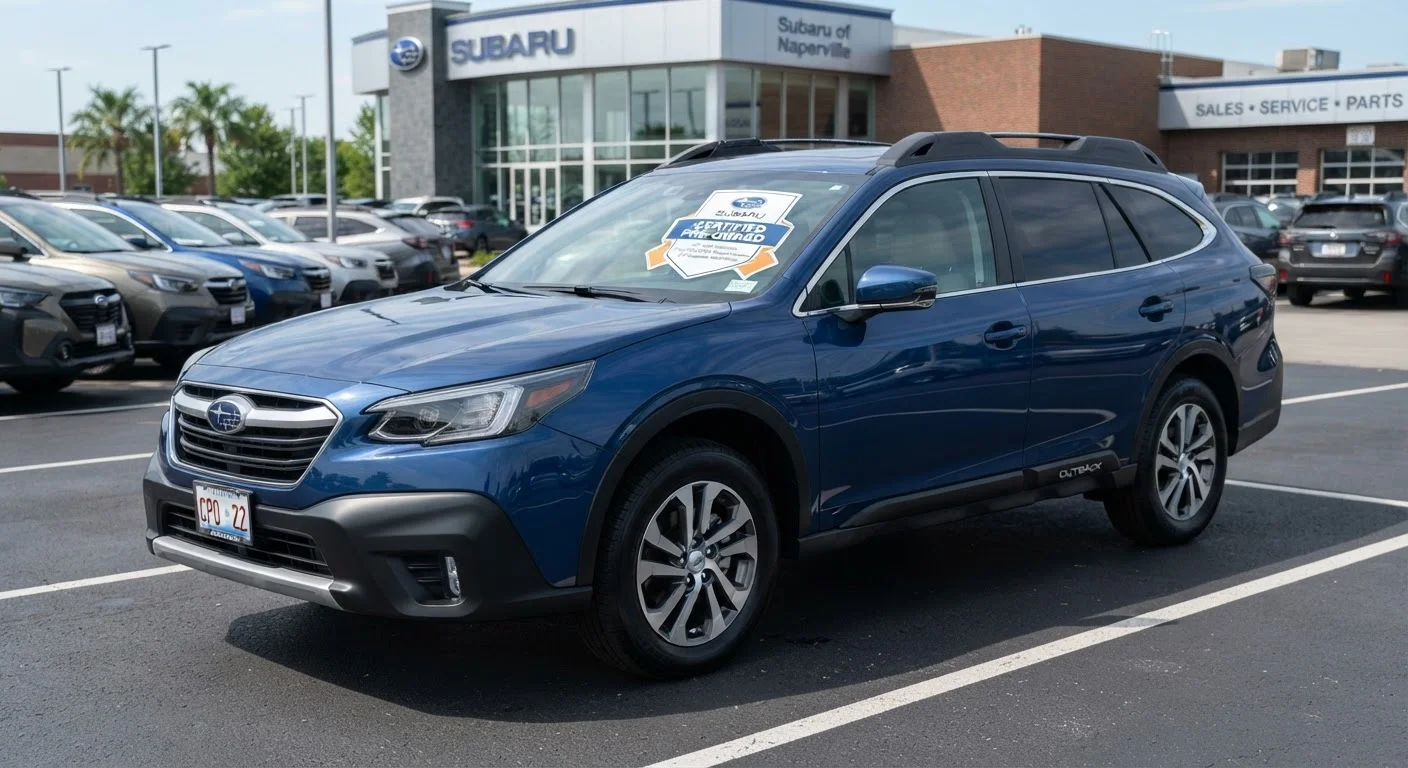
What CPO Actually Means - and What It Doesn't
The phrase "certified pre-owned" carries a reassuring ring, but it describes a category, not a single consistent standard. When a vehicle is sold as CPO, it means a program has applied a defined set of criteria to evaluate that car before resale. What those criteria are, how strictly they're applied, and what happens if something goes wrong afterward - that all depends on the specific program behind the badge.
Manufacturer-backed programs, such as those run directly by automakers, tend to carry the most rigorous and consistent standards. These programs typically require vehicles to be recent model years, under a certain mileage threshold, and free from significant accident history. The resulting warranty is issued or underwritten by the manufacturer itself, which generally means clear terms and a defined claims process.
Dealer-certified programs, by contrast, are created and managed by individual dealerships or dealer groups. There is no industry-wide minimum standard for what "dealer-certified" means, so the quality of these programs can range from genuinely thorough to essentially a marketing label. Buyers should be especially careful to ask who backs the warranty and what the inspection actually covered.
Manufacturer CPO vs. Dealer CPO: A Key Distinction
Not every vehicle wearing a "certified" label is backed by the automaker. Dealer-run certification programs have no standardized requirements and can differ dramatically from one dealership to the next. Always ask whether the program is manufacturer-sponsored and request written documentation of what the certification entails.
The Inspection: What It Typically Covers
Most credible CPO programs conduct a multi-point inspection - often 100 to 200 individual checks - covering mechanical systems, safety components, and cosmetic condition. Typical areas include the engine, transmission, brakes, tires, steering, electrical systems, and interior condition. Items that fail inspection are supposed to be repaired before the vehicle is certified.
However, the inspection is only as reliable as the process behind it. Inspections are often performed by the selling dealership's own technicians, which creates an inherent conflict of interest. There is no universal third-party verification requirement for most programs. This is why seeing the actual inspection report - not just a summary - matters, and why pairing a CPO purchase with an independent evaluation is worth considering. Our guide on what a pre-purchase inspection covers explains what an independent mechanic will look for that a standard CPO check may miss.
100-200
Inspection points in typical manufacturer CPO programs
Most major automaker CPO programs publish multi-point inspection checklists covering mechanical, safety, and cosmetic criteria.
~$1,000-$3,500
Typical CPO price premium over non-certified equivalents
Industry analyses have estimated CPO vehicles command a notable price premium; whether that premium reflects real value depends on the specific program and vehicle.
CPO Warranties: Coverage, Limits, and Exclusions
A CPO warranty is one of the program's central selling points, but reading the fine print is essential. Most manufacturer CPO warranties extend powertrain coverage beyond the original factory warranty and may include a limited bumper-to-bumper component. Some programs also include roadside assistance, loaner cars, or trip interruption coverage.
What CPO warranties typically do not cover: wear-and-tear items such as brake pads, tires, and wiper blades; cosmetic damage; and components excluded by the base warranty language. Deductibles may apply per visit, and some coverage requires service to be performed at an authorized dealership. Understanding these terms before purchase - not after a repair bill arrives - is critical. For a broader understanding of how warranties compare to other post-purchase protections, see our explainer on warranty vs. return policy.
Read the Warranty Contract Before You Sign
Ask the dealer to provide the full CPO warranty contract - not just a summary brochure - before finalizing any purchase. Review the coverage period, deductible amounts, exclusions, and the claims process. If the warranty is administered by a third party, note their name and verify they are a recognized provider.
How to Evaluate a CPO Program Before You Commit
Treating a CPO designation as a starting point - not a final answer - puts buyers in a stronger position. A few practical steps make a meaningful difference:
- Request the full inspection checklist. A reputable program will document every point checked and note any repairs made. If a seller can't produce this, treat it as a red flag.
- Obtain the vehicle history report yourself. Programs typically use services like Carfax or AutoCheck, but pull the report independently using the VIN to verify what you're being told.
- Clarify who backs the warranty. Is it the manufacturer, a third-party administrator, or the dealership? Each has different implications for how claims are handled.
- Understand transferability. Some CPO warranties transfer to subsequent buyers; others do not. This affects resale value if you plan to sell the vehicle later.
The fundamentals of buying a used car still apply to CPO purchases - the certification supplements your due diligence, it doesn't replace it. CPO vehicles are also part of the broader landscape of car ownership costs and responsibilities that buyers should plan for from day one.