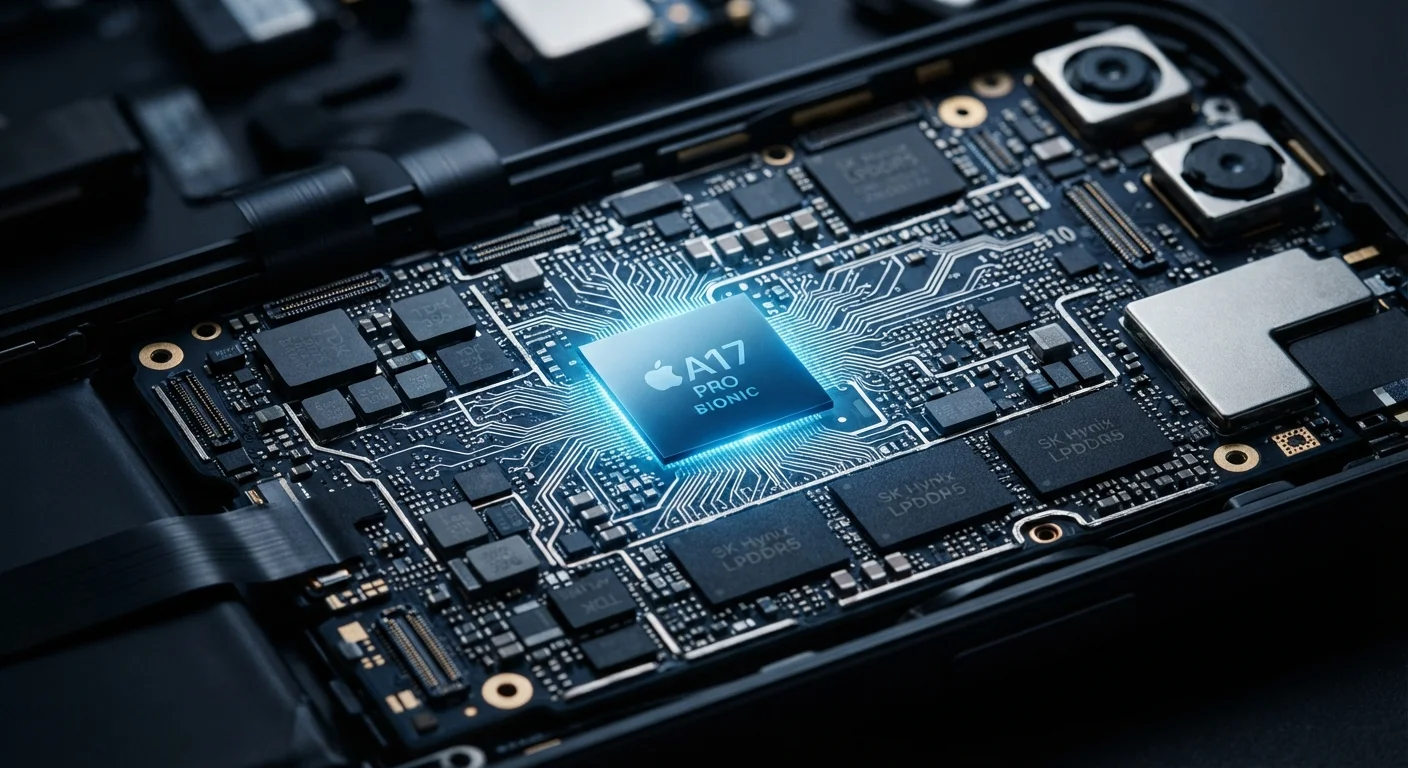
What a Processor Generation Actually Means
Every smartphone runs on a system-on-chip (SoC) - a single component that bundles the processor, graphics unit, modem, and other logic onto one piece of silicon. Chipmakers redesign these SoCs on a regular cadence, and each major redesign constitutes a new processor generation.
Generations aren't just about speed. When engineers move to a new generation, they often redesign the core architecture - changing how the chip reads instructions, handles memory, and distributes workloads across specialized cores. This is why two chips with identical clock speeds can perform very differently in practice.
For a broader look at how processor descriptions translate across device types, see our guide to how computer processors are described.
Chip Generation vs. Chip Model Number
Chipmakers often use model numbers that don't directly signal the generation to consumers. A higher model number doesn't always mean a newer generation - manufacturers sometimes release mid-range chips alongside or after flagship generations, using numbering that can be misleading without additional research. Checking the manufacturing node and release year is a more reliable way to assess where a chip sits in the generational timeline.
Why Efficiency Matters as Much as Performance
Modern mobile chips are designed around a split-core strategy: a small number of high-performance cores handle demanding tasks, while a larger cluster of efficiency cores manages routine background work. Newer chip generations refine this balance, allowing the phone to spend more time on the low-power cores without users noticing any slowdown.
The practical result is meaningful: a phone with a newer-generation chip may last significantly longer on a single charge than an older phone with a higher advertised clock speed. Heat management also improves across generations - less wasted energy means less heat, which in turn protects the battery over the long term.
~3×
Transistor density improvement over five chip generations
Semiconductor research consistently shows that shrinking manufacturing nodes roughly triples transistor density over comparable multi-generation spans, enabling significant efficiency gains.
4-6 years
Typical practical lifespan of a mobile chip
Industry analysts generally estimate that mobile processors remain capable of handling mainstream software demands for four to six years, though security update windows often narrow sooner.
30-40%
Efficiency gain commonly reported between major chip generations
Chipmakers frequently cite efficiency improvements in this range when transitioning between major manufacturing nodes and architectural generations in their official technical documentation.
This intersection of processor generation and battery health is one reason phone slowdown over time is often tied to older silicon. Our article on why phones slow down over time explores that connection in more detail.
How Chip Generation Shapes Long-Term Software Support
Operating system updates - the annual releases that add security patches, new features, and compatibility improvements - place increasing demands on the underlying hardware. Older-generation chips may lack the architecture needed to run newer software features efficiently, even if they can technically install the update.
Manufacturers typically commit to software support for a defined number of years. Phones built on newer-generation chips tend to stay within that support window more comfortably because their architecture is closer to what current software expects. A phone purchased with a two-year-old chip has, in effect, already started the clock on its supported life.
Check the Chip's Release Year, Not Just Its Name
When evaluating a phone, look up when the processor was first released - not when the phone was announced. Some devices ship with chips that are one or two generations old, which shortens their effective support window. A few minutes of research into the chip's debut year can reveal how much runway the device realistically has.
Understanding chip generation is one part of reading a full smartphone specification sheet. Our smartphone specs glossary covers the other technical terms you'll encounter when evaluating a device.
Real-World Capabilities Tied to the Chip
Beyond speed benchmarks, processor generation determines which on-device capabilities are even possible. Newer chips include dedicated neural processing units (NPUs) - specialized blocks of logic designed to accelerate machine learning tasks. These enable real-time language translation, smarter voice assistants, on-device photo editing, and advanced video stabilization without sending data to a remote server.
Camera quality is another area directly influenced by the chip. Computational photography - the process by which software dramatically improves raw sensor data - is handled by the chip's image signal processor (ISP). A newer-generation ISP can apply more complex algorithms in real time, producing better low-light images and more accurate color reproduction.
Storage performance is also chip-dependent. Newer SoC generations support faster memory standards, which affects how quickly apps open and how smoothly data moves between storage and RAM. For a fuller picture of how these components interact, see our explanation of smartphone RAM, storage, and the cloud.
“The silicon in your pocket is the single most consequential factor in determining what a smartphone can do - and for how long. Clock speed is just one variable in a far more complex architectural story.”
— Senior Semiconductor Analyst, Technology industry researcher specializing in mobile computing architectures