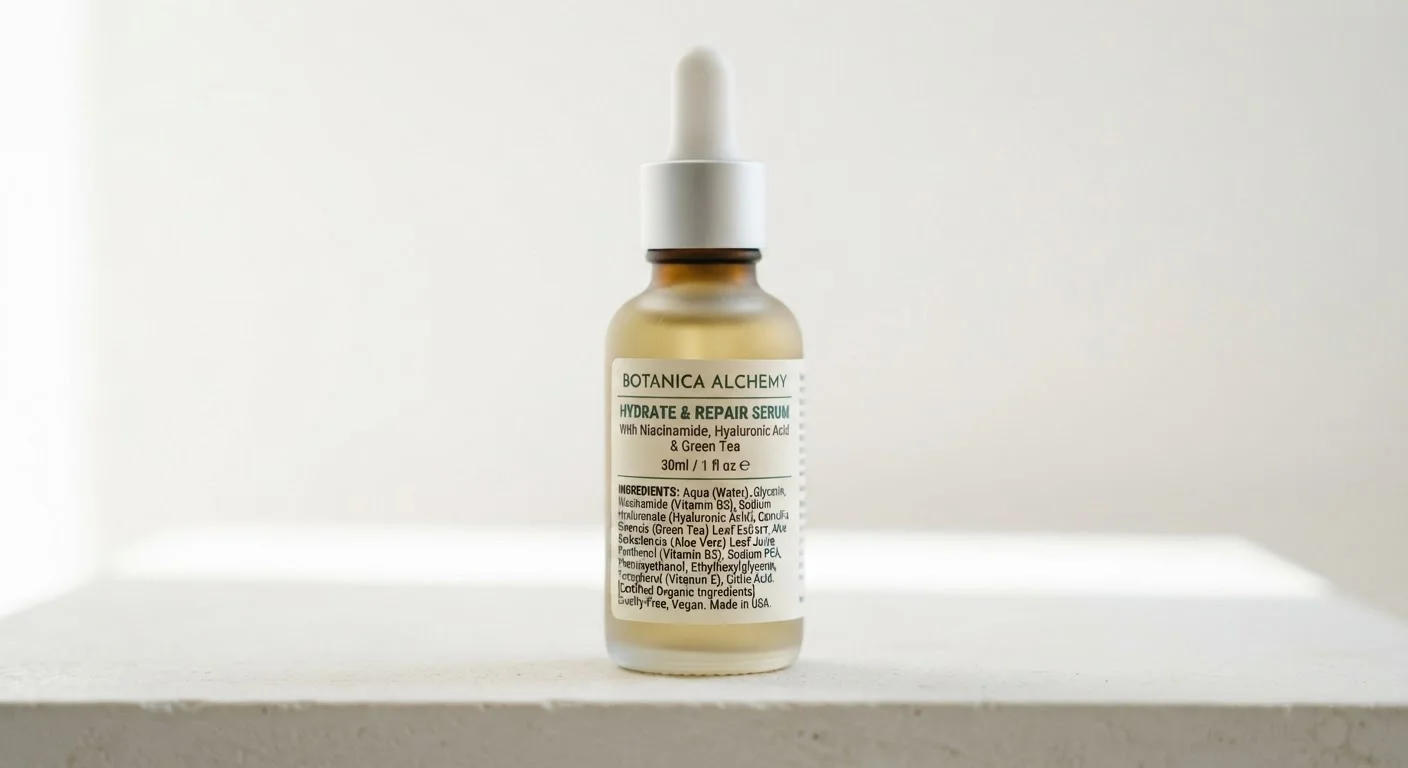
Why the Ingredient List Looks the Way It Does
Every skincare product sold in the United States must list its ingredients using the INCI system - the International Nomenclature of Cosmetic Ingredients. That's why you'll see Latin botanical names like Camellia sinensis instead of simply "green tea extract." It's a standardized global system, which means a label reads the same whether the product was made in California or South Korea.
The most critical rule to understand: ingredients are listed in descending order of concentration, from highest to lowest. The first five or so ingredients typically make up the bulk of the formula - often 80% or more of the product. Water (Aqua) is the first ingredient in most hydrating products for exactly this reason.
Once you hit ingredients present at 1% or less, manufacturers can list them in any order they choose. This matters because it means an impressive-sounding active ingredient listed near the bottom may be present in a very small amount. That's not necessarily a problem - some actives work at low concentrations - but it's worth knowing. For a broader look at how label literacy applies beyond beauty, see how similar principles show up when reading a nutrition facts label.
Decoding Common Label Claims and Tricky Terms
Marketing terms on the front of the package are not regulated the same way the ingredient list is. Claims like "natural," "clean," or "dermatologist-tested" have no standardized legal definition in the U.S. and don't guarantee a specific formula composition.
A few terms do have more concrete meaning:
- Fragrance-free: Indicates no added fragrance compounds were used. This is more meaningful than "unscented," which may simply mean a masking scent was added to cover odors. For a deep dive, our guide on fragrance in beauty products explains how it appears on labels.
- Preservative systems: Terms like phenoxyethanol, ethylhexylglycerin, or sodium benzoate signal how the product resists microbial growth. These are functional, often necessary ingredients.
- pH adjusters: Citric acid, sodium hydroxide, and similar ingredients often appear near the end of a list. They're not active treatments - they keep the formula stable.
Labels can also obscure allergens. "Fragrance" (or parfum) is a single line item that can represent dozens of undisclosed chemical compounds - a significant concern for sensitive skin. And some ingredients appear under multiple aliases: vitamin C might be listed as ascorbic acid, sodium ascorbyl phosphate, or ascorbyl glucoside, each with slightly different stability and penetration profiles. Our plain-language skincare glossary breaks these down clearly.
INCI
International Nomenclature of Cosmetic Ingredients - the globally standardized system for naming cosmetic ingredients on product labels. It uses Latin and scientific names to ensure consistency across countries and manufacturers.
Active ingredient
An ingredient with a specific, intended effect on skin function or structure, such as salicylic acid for exfoliation or niacinamide for tone evening. Actives may work at low concentrations depending on the compound.
Excipient
An ingredient that serves a functional role in the formula - stabilizing texture, preserving freshness, or adjusting pH - rather than directly treating the skin. Examples include glycerin (humectant) and xanthan gum (thickener).
Fragrance (Parfum)
A catch-all label term that can encompass a blend of dozens of individual chemical compounds, none of which need to be individually disclosed. It is one of the most common contact allergens in cosmetics.
Emollient
An ingredient that softens and smooths skin by filling gaps in the skin barrier. Common emollients include squalane, shea butter, and various plant oils.
Humectant
An ingredient that draws moisture from the environment or deeper skin layers toward the surface. Glycerin and hyaluronic acid are widely used humectants in hydrating formulas.
Once you understand what you're looking at, pairing that knowledge with product-type basics makes a real difference. Our article on toners, essences, and mists shows how ingredient knowledge helps you evaluate watery skincare steps. And if terms like "non-comedogenic" or "hypoallergenic" still feel murky, our guide on decoding common label claims is worth bookmarking.
This article is for general informational purposes only and does not constitute medical or dermatological advice. If you have a skin condition, allergy, or sensitivity, consult a qualified healthcare or skincare professional before introducing new products.