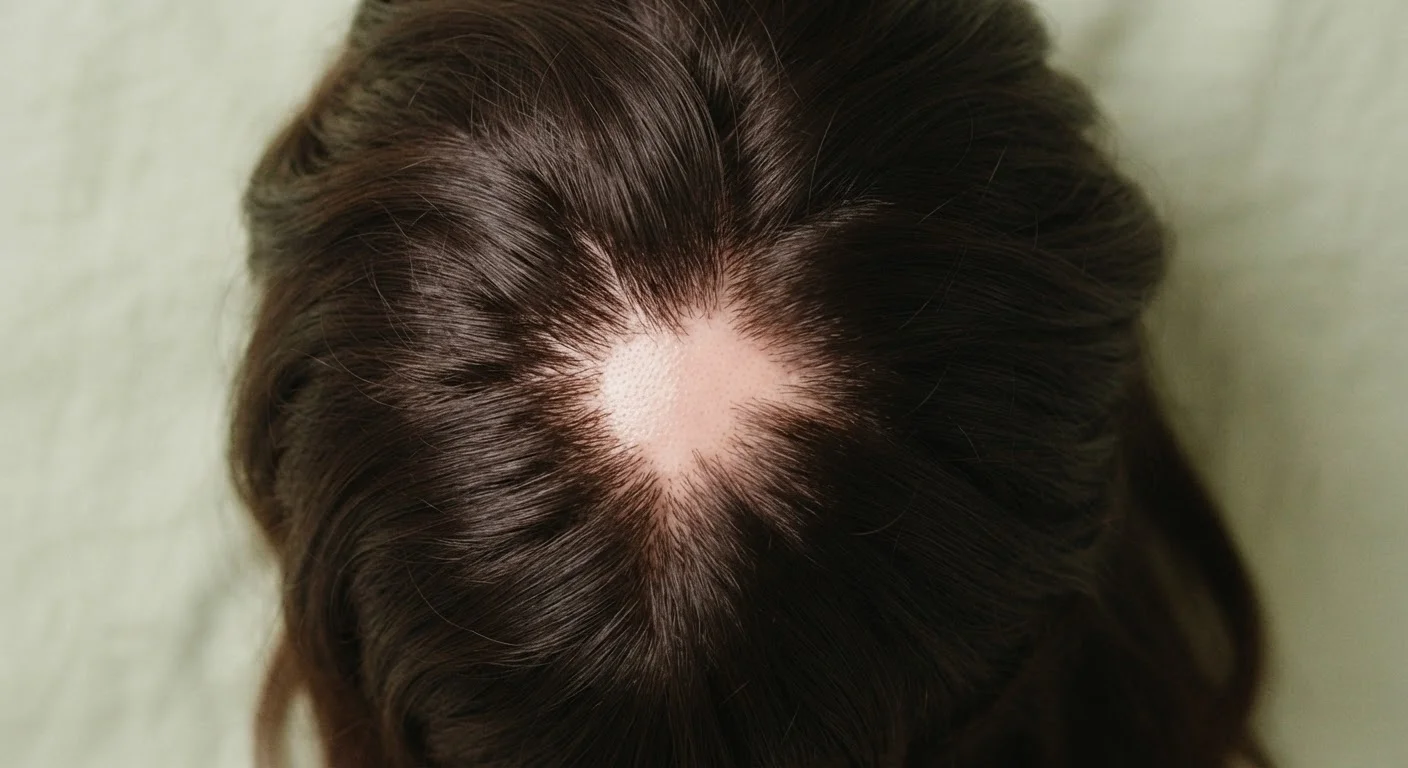
What Scalp Health Actually Means
Your scalp is skin - about 2 millimeters deep, densely packed with hair follicles, sebaceous (oil) glands, blood vessels, and nerve endings. Everything that grows above the surface starts below it. That means the condition of your scalp directly shapes the quality, strength, and growth rate of your hair.
A healthy scalp is generally balanced: not excessively oily, not dry or tight, free from significant inflammation, and home to a stable community of microorganisms known as the scalp microbiome. Just like your gut, your scalp hosts a diverse ecosystem of bacteria and fungi that - when in balance - support its protective barrier function.
Hair follicle
A tiny tunnel-shaped structure in the scalp skin from which each individual hair strand grows. Its health directly influences how hair grows.
Sebum
The natural oil produced by sebaceous glands in your scalp. It lubricates the scalp and hair shaft, but too much or too little can cause problems.
Scalp microbiome
The community of bacteria, fungi, and other microorganisms that live on your scalp. A balanced microbiome supports skin barrier function; imbalances can contribute to dandruff and irritation.
Seborrheic dermatitis
A common skin condition affecting oily areas like the scalp, causing flaking, redness, and itching. It's distinct from simple dry scalp and typically requires specific treatment.
Traction alopecia
Hair loss caused by repeated tension or pulling at the hair follicle, often from tight hairstyles like braids, ponytails, or extensions worn consistently over time.
Scalp barrier
The outermost protective layer of scalp skin that keeps moisture in and irritants out. When it's compromised, the scalp becomes more prone to dryness and sensitivity.
Understanding your scalp as a living, dynamic environment (rather than just a patch of skin to clean) is the first mindset shift that makes real haircare possible. For a deeper look at how products interact with the hair shaft itself, see our guide on what shampoo and conditioner are actually doing to your hair.
Common Signs Your Scalp Is Out of Balance
Your scalp communicates - you just have to know what to look for. Common signs that something is off include:
- Persistent flaking: Small white or yellowish flakes may signal dryness, dandruff, or seborrheic dermatitis.
- Excess oiliness: Hair that looks greasy hours after washing can indicate overactive sebaceous glands or a disrupted moisture barrier.
- Itching or tenderness: Occasional itchiness is normal, but chronic irritation points to inflammation, buildup, or a reaction to a product ingredient.
- Tightness or dryness: A scalp that feels taut or uncomfortable, especially after washing, often lacks sufficient natural oils or moisture.
- Slow or stalled hair growth: While genetics play a major role, a compromised scalp environment can impede the hair growth cycle.
These signs are starting points, not diagnoses. If symptoms are persistent or severe, a board-certified dermatologist is your best resource - not a product label.
Don't Self-Diagnose Scalp Conditions
Many scalp conditions - dandruff, psoriasis, seborrheic dermatitis, and contact dermatitis - can look very similar to the untrained eye. Treating the wrong condition (or using the wrong product) can make symptoms worse. If your scalp symptoms are persistent, spreading, or painful, seek evaluation from a dermatologist rather than relying solely on over-the-counter remedies.
What Disrupts Scalp Health
Several everyday factors can knock your scalp out of balance, many of which are within your control:
- Over-washing or under-washing
- Washing too frequently strips the scalp of its natural sebum, triggering the oil glands to overproduce. Too infrequent washing allows sebum, dead skin, and product residue to accumulate around follicles.
- Product buildup
- Silicones, heavy waxes, and dry shampoo residue can layer on the scalp over time, potentially clogging follicles and creating an environment where microbes thrive unchecked.
- Heat and environmental stress
- Hot tools, UV exposure, hard water, and dry indoor air can all dehydrate the scalp's surface and weaken its protective barrier.
- Stress and hormonal shifts
- Psychological stress and hormonal fluctuations (such as those during postpartum recovery or thyroid changes) are well-documented contributors to scalp inflammation and changes in hair growth cycles. If you suspect a hormonal component, speak with a healthcare provider.
- Friction and tight styling
- Consistently tight hairstyles create tension at the follicle, which over time may cause a condition called traction alopecia.
Your broader lifestyle also matters. Research in dermatology consistently links nutritional status - particularly levels of iron, vitamin D, and zinc - to scalp and hair changes. For foundational guidance on eating well, the Nutrition & Diet hub is a solid starting point.
Scalp Health Mirrors Overall Skin Health
Because the scalp is skin, many of the same principles that apply to facial skincare also apply here - gentle cleansing, avoiding over-stripping, and maintaining the skin barrier. If you're interested in building a simpler approach to skin routines generally, our article on building a skincare routine around core needs applies the same philosophy to your face.
Everyday Habits That Support a Healthy Scalp
Good scalp care doesn't require a complicated routine or a shelf full of products. It starts with a few consistent, intentional habits.
- Wash at the right frequency for your scalp type. Observe how your scalp behaves between washes - this is a better guide than any rule of thumb.
- Use gentle, balanced cleansers. Look for formulas without harsh sulfates if your scalp is prone to dryness, but note that some sulfates are perfectly appropriate for oilier scalps. Ingredient suitability is personal.
- Massage your scalp when you wash. Gentle circular motion with your fingertips (not nails) stimulates circulation and helps loosen debris - no special tool required.
- Rinse thoroughly. Residual shampoo or conditioner left on the scalp is one of the most overlooked causes of irritation and buildup.
- Incorporate occasional exfoliation. A weekly or biweekly scalp scrub or exfoliating treatment can help manage dead skin cell accumulation, particularly for those with flaky or congested scalps.
- Protect from environmental stressors. Wearing a hat in strong sun, rinsing after swimming in chlorinated water, and using a shower filter in hard-water areas are all practical protective steps.
Make Scalp Massage a Daily Habit
Even a one- to two-minute scalp massage during your wash routine - using just your fingertips - can improve circulation to the follicles and help dislodge buildup. Small, consistent actions tend to produce the most noticeable improvements over time. You don't need any additional products to make it effective.
Once you have a handle on your scalp, the logical next step is building a haircare routine that accounts for your hair's unique structure and needs. Our guide on building a haircare routine that matches your hair's actual needs walks through that process. And if understanding how moisture moves through your hair shaft sounds useful, the article on hair porosity is a great companion read.
This article is for informational and educational purposes only and is not a substitute for professional medical or dermatological advice. If you have concerns about your scalp health, hair loss, or skin conditions, please consult a qualified healthcare provider.