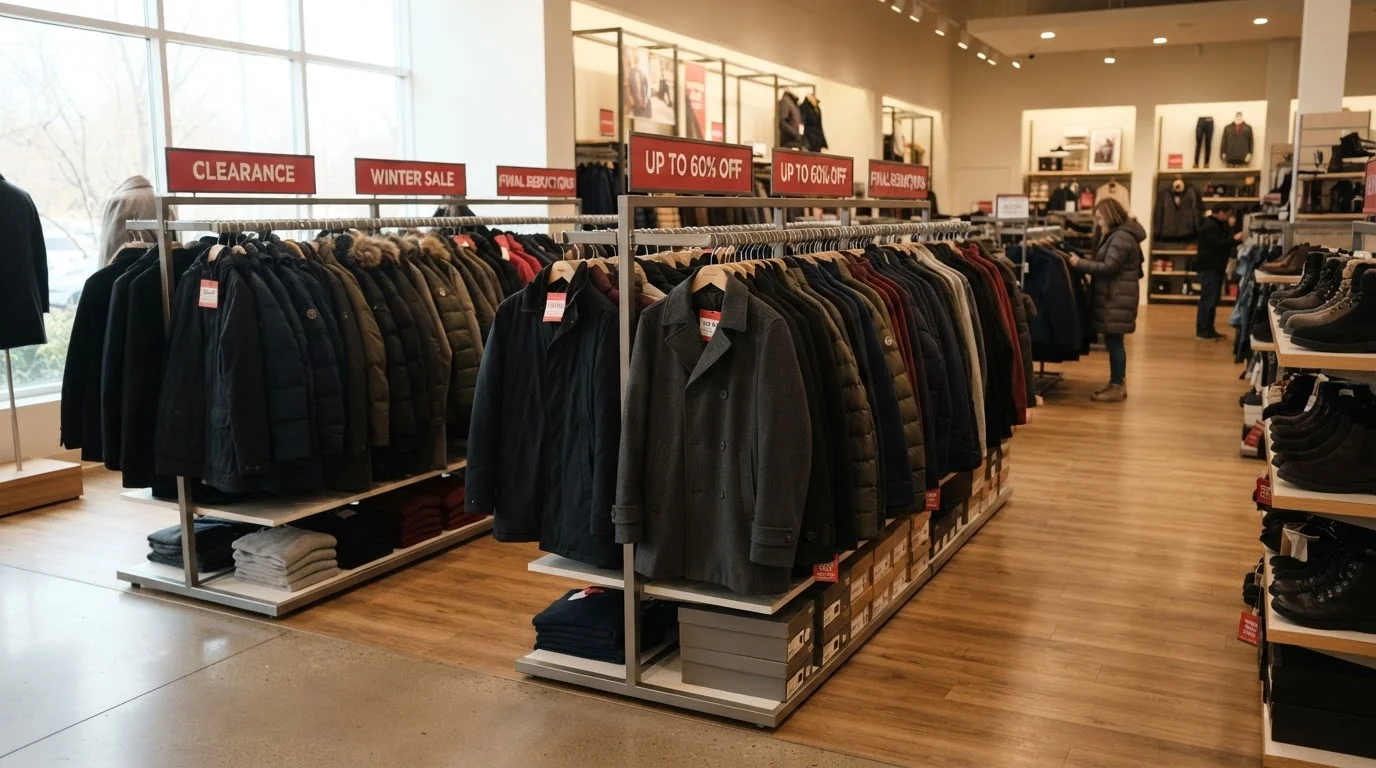
What Off-Season Shopping Actually Means
Off-season shopping means buying goods during the period when demand for them is lowest - purchasing a snow blower in March, patio furniture in September, or a swimsuit in October. Retailers reduce prices during these windows not as a courtesy but as an inventory management decision: unsold seasonal stock costs money to store and displaces space for the next season's merchandise.
This makes off-season discounts structurally different from promotional markdowns. A "limited-time sale" may be a marketing tactic, but a retailer clearing winter inventory in February has a genuine operational incentive to move product. That distinction matters when you're trying to identify real value versus manufactured urgency. For a broader look at how seasonal and flash sales differ, see how seasonal sales cycles compare to flash sales.
The Real Advantages
When the conditions are right, off-season shopping produces savings that are hard to replicate through other strategies.
Prices reflect genuine inventory clearance, not gimmicks
Retailers have a structural incentive to move end-of-season stock, making discounts more reliable than promotional markdowns. Savings of 30-50% are common in categories like outdoor furniture, apparel, and seasonal equipment.
Lower competition means more time to decide
With fewer shoppers browsing the same category, you face less artificial urgency. This reduces impulse decisions and makes comparison shopping more practical.
Predictable savings cycles allow advance planning
Seasonal clearance follows consistent retail calendar patterns, so you can anticipate when categories will drop in price and budget for those purchases in advance.
Works well for durable, non-trend-sensitive goods
Items like tools, outdoor furniture, and classic-cut clothing don't change dramatically year to year, making off-season buying low-risk in terms of the product becoming obsolete or unwearable.
30-50%
Typical off-season discount range
Seasonal clearance in categories like apparel, outdoor furniture, and garden equipment commonly reaches 30-50% off original retail pricing, driven by retailer inventory cycles rather than promotional tactics.
~6 weeks
Typical clearance window length
Most retailers begin marking down seasonal inventory four to six weeks before the category transitions, giving shoppers a defined window to act without extreme urgency.
Beyond price, off-season shopping tends to involve less competition - fewer shoppers, less pressure, and more time to compare options thoughtfully. That lower-pressure environment often leads to more deliberate decisions, which aligns with the core principles in smart, value-focused purchasing.
The Real Trade-Offs
Off-season shopping has genuine drawbacks that vary depending on the product category and your personal situation. Understanding these limitations is essential to deciding whether the strategy makes sense for a given purchase.
Selection is limited to remaining inventory
By the time clearance pricing kicks in, popular sizes, colors, and models are often gone. If you have specific requirements, you may find the discounted options don't actually meet your needs.
Requires storage space and organization
Buying items months before you need them means finding somewhere to store them safely. For bulky items like patio furniture or winter gear, this may not be practical in smaller homes or apartments.
Encourages spending on non-essential items
Low prices can make purchases feel justified even when there's no real need. If the discount is the primary motivation rather than the item itself, it's not a saving - it's an unplanned expense.
Doesn't work for urgent or time-sensitive needs
If your needs are immediate - a broken appliance, an unexpected weather event - waiting for off-season pricing isn't an option. The strategy only applies to purchases you can plan well in advance.
Trend-sensitive categories carry style risk
In fashion and electronics especially, off-season stock may look dated or be superseded by newer versions by the time you use it. This is less of a concern for classic styles but real for trend-driven categories.
Off-Season vs. Secondhand: Different Trade-Offs
Off-season retail shopping and secondhand purchasing are both ways to reduce costs, but they involve different risks and rewards. Off-season items are new but limited in selection; secondhand items may offer greater variety but require more inspection and carry condition uncertainty. If you're weighing both approaches, the trade-offs of secondhand shopping covers what to look for and where each strategy has the edge.
When This Strategy Works - and When It Doesn't
Off-season buying works best for predictable, non-urgent purchases: holiday decorations, sporting equipment with clear seasonal windows, outdoor furniture, and certain categories of clothing where fit doesn't change and style shifts slowly. It works poorly for urgent needs, items where sizing or fit may be uncertain, and categories driven by fast-changing trends.
It also requires honest self-assessment. Buying a deeply discounted winter jacket in March only produces savings if you actually need a jacket - not if the low price is the primary motivation. This is the same discipline that applies to bulk buying decisions: a lower unit price isn't a saving if the purchase itself was unnecessary.
Pairing off-season purchases with a clear spending plan helps prevent "deal-driven" overspending. The budgeting basics hub offers practical frameworks for tracking and planning purchases so seasonal opportunities don't become budget disruptions.