What Makes a Restocking Fee Legally Valid
A restocking fee doesn't become enforceable simply because a retailer decides to charge one. For the fee to hold up legally, it must meet a basic standard: clear, prior disclosure. That means the fee must have been communicated to you - in writing, at a visible location - before you completed the purchase.
Acceptable forms of disclosure typically include a notice on the product's packaging or listing page, a line on the sales receipt or order confirmation, a clearly posted sign at the point of sale, or a disclosure during the checkout flow for online orders. A policy buried in paragraph 14 of a terms-and-conditions page that requires scrolling past unrelated content is on shakier legal ground - particularly in states with stronger consumer protection statutes.
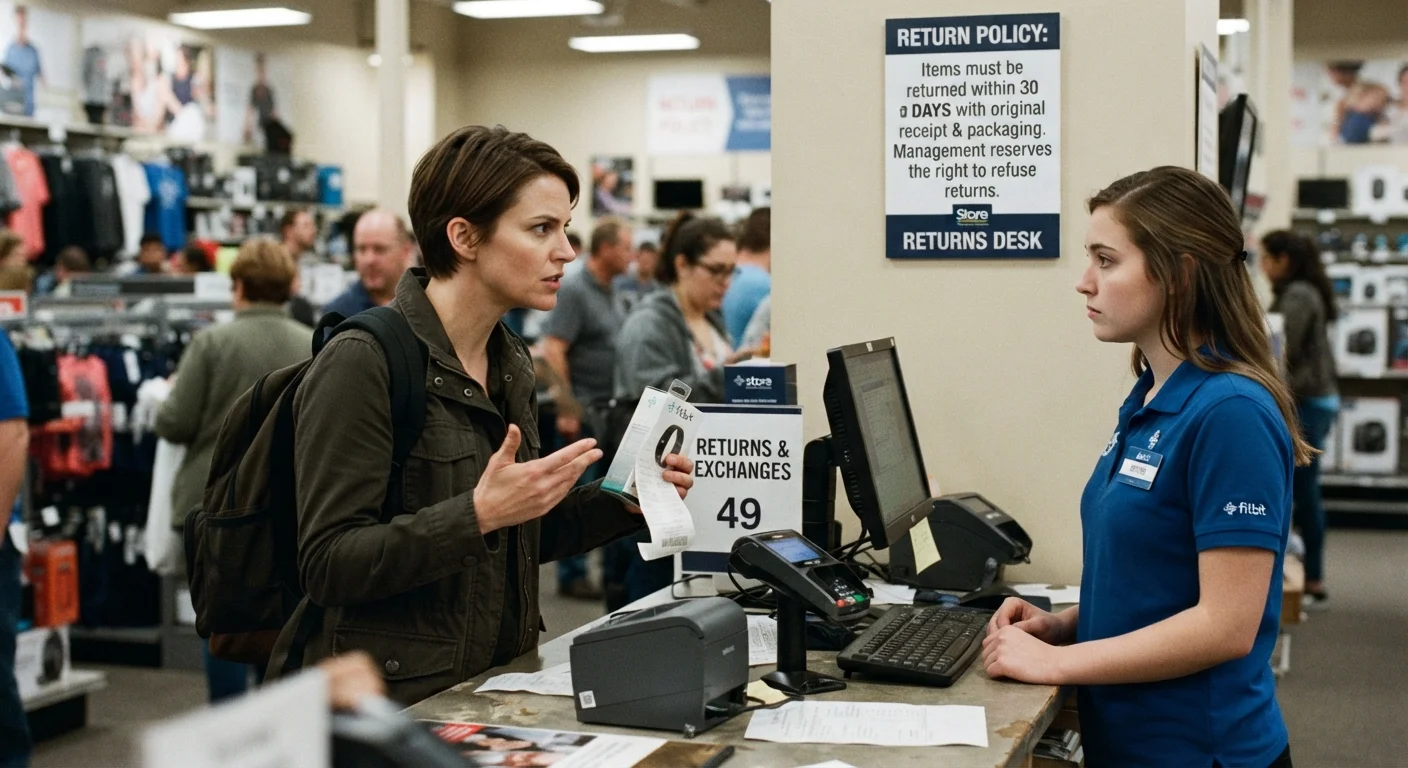
Understanding how store return policies are structured helps you recognize whether a restocking fee clause was placed where a reasonable consumer would actually see it - which is the standard most regulators apply.
State Law Varies - Check Your Jurisdiction
Several states, including California, New Jersey, and Hawaii, have codified specific restocking fee disclosure requirements or placed limits on when and how fees can be applied. The FTC's rules add a layer of protection for online and mail-order purchases. Your rights may be stronger than a retailer's posted policy suggests. The FTC and your state attorney general's website are reliable starting points for jurisdiction-specific rules.
When Restocking Fees Are Not Enforceable
Even when disclosed, there are circumstances under which a restocking fee cannot legally be applied:
- Defective or damaged goods: If the item arrived broken, malfunctioned within a reasonable period, or was damaged in shipping, the product failed to conform to its basic implied warranty. Charging you for returning a broken item contradicts consumer protection law in virtually every state.
- Misrepresentation: If the product's advertising, labeling, or in-store description was materially inaccurate - wrong specifications, false capability claims, incorrect compatibility - the sale itself may be voidable. Deceptive advertising laws can give you standing to demand a full refund with no deductions.
- Undisclosed fees: A fee that appears for the first time on a return receipt - with no prior mention - was never part of your purchase contract. You cannot be bound by terms you had no opportunity to review.
- Certain regulated products: Some states prohibit restocking fees on specific categories, such as software that couldn't be evaluated without opening it, or medical equipment.
Retailers often rely on consumers not knowing these limits. Understanding them puts the conversation on more equal footing.
Keep the Original Packaging When Possible
Many retailers tie the restocking fee - or the right to charge one at all - to whether the item was returned in its original, resalable packaging. If you're uncertain whether you'll keep a high-value item, preserve all packaging materials until you're sure. This also removes one of the most common justifications retailers use to escalate or retain a fee.
How to Push Back Effectively
If you believe a restocking fee was applied improperly, a structured approach tends to produce better results than a general complaint.
- Document the condition of the item before return. Photograph the product, the original packaging, and any damage or defect. Keep your original receipt and the return receipt showing the deducted fee.
- Request the written policy. Ask the retailer to show you exactly where - prior to your purchase - the restocking fee was disclosed. If they cannot produce a clear prior disclosure, state that you are disputing the fee on that basis.
- Escalate within the retailer. Customer service representatives often have discretion to waive fees. Calmly presenting your documentation and citing the disclosure requirement frequently resolves the issue without further escalation.
- File a credit card chargeback. If the retailer refuses to waive an undisclosed or improper fee, contact your card issuer. A chargeback on the basis of an unauthorized charge is a legitimate consumer remedy - document everything you've submitted.
- File a state consumer protection complaint. Your state attorney general's office and the FTC's ReportFraud.ftc.gov portal accept complaints about deceptive retail practices, including hidden fees. These filings create a record and may prompt regulatory action.
10-25%
Typical restocking fee range
Consumer advocacy organizations report most retail restocking fees fall between 10% and 25% of the original purchase price, though electronics retailers sometimes charge higher amounts.
60-120 days
Credit card chargeback window
Most major card networks allow dispute filing within 60 to 120 days of the statement date on which the charge appeared; check your cardholder agreement for the exact window.
~30 states
States with consumer protection statutes covering fee disclosure
According to the National Consumer Law Center, roughly 30 states have enacted consumer protection laws broad enough to cover undisclosed or deceptive retail fee practices.
This article provides general consumer rights information and education. It is not legal advice. Laws vary by state and circumstances vary by transaction. Consult a consumer protection attorney or your state attorney general's office if you need guidance specific to your situation.