How Layaway Agreements Actually Work
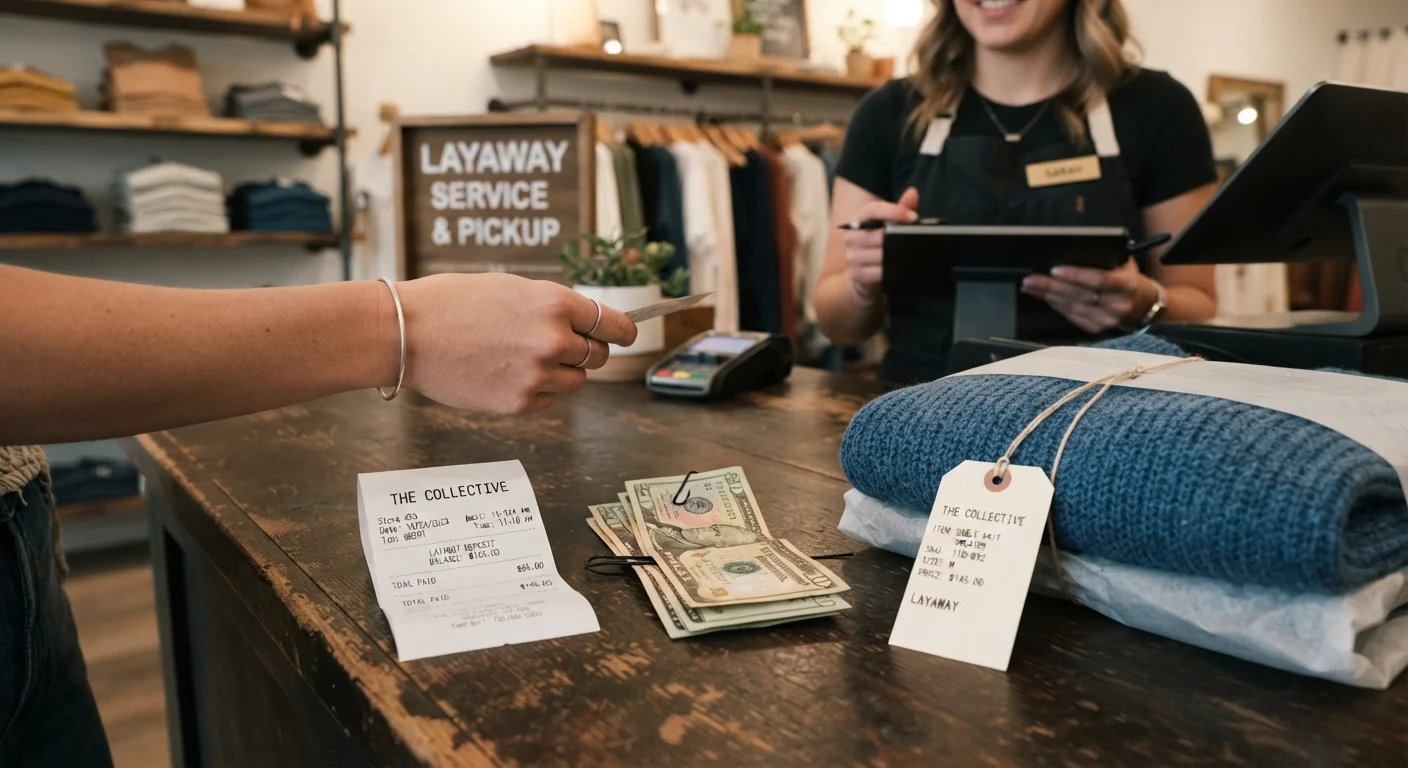
Layaway is one of the oldest retail financing tools in the United States. A customer selects an item, makes an initial deposit, and then pays the remaining balance in scheduled installments. The store holds the merchandise during this period, and ownership transfers only when the final payment clears.
Because no credit is extended, layaway sidesteps many of the disclosure requirements that govern credit cards or buy-now-pay-later loans. That gap in federal oversight means the terms - including what happens if you cancel, miss a payment, or the store closes - are largely determined by the retailer's own contract and by your state's consumer protection statutes.
For a broader look at how purchase protections layer together, see our complete overview of consumer rights from purchase to return.
~$1B+
Estimated annual U.S. layaway sales volume
Industry estimates have historically placed layaway transaction volume in the billions of dollars annually, concentrated in the holiday shopping season.
Varies by state
States with dedicated layaway consumer protection laws
Only a subset of U.S. states have enacted specific layaway statutes; most consumers rely on general unfair business practice laws for disputes.
60-120 days
Typical card chargeback window after statement date
Card network rules generally allow disputes for goods not received within 60 to 120 days of the transaction, depending on the issuer and card type.
Fees, Cancellations, and What You're Entitled to Recover
The most common consumer friction with layaway involves cancellations. Most retailers charge one or more of the following when a customer cancels:
- Service fees: A flat administrative charge, often $5-$25, deducted from the refund.
- Restocking fees: A percentage of the item's price, typically 10-20%, to compensate the store for holding the merchandise.
- Forfeited deposits: Some contracts state that the initial deposit is non-refundable regardless of when you cancel.
What the retailer cannot legally do in most states is keep your entire payment without a contractual or statutory basis. If you believe a refund was improperly withheld, your first step is to reference the written agreement you signed. If the store's practice contradicts its own written terms, you have a stronger complaint.
Always Get the Full Agreement in Writing
Before handing over any money, ask for the complete layaway contract - not just a receipt. The written document should specify the total price, payment schedule, all fees, cancellation terms, and the refund timeline. If a retailer is unwilling to provide this in writing, consider that a significant red flag.
For comparison, arbitration clauses buried in retail contracts can limit how you pursue disputes. Our article on how arbitration clauses affect your dispute rights explains what to watch for.
State Laws and the Patchwork of Protections
There is no single federal layaway statute. The Federal Trade Commission has general authority over deceptive trade practices, which applies if a retailer misrepresents its layaway terms - but the FTC does not set fee caps or refund timelines for layaway specifically.
Several states have enacted targeted layaway laws. These typically require retailers to:
- Provide a written agreement before accepting payment
- Disclose all fees, payment schedules, and cancellation terms upfront
- Process refunds within a defined number of days after cancellation
States without dedicated layaway laws may still cover disputes under broader unfair business practice statutes. Your state attorney general's consumer protection office is a reliable starting point for understanding what applies where you live.
Layaway Is Distinct from Installment Credit
Unlike buy-now-pay-later services or retail credit cards, layaway is not a credit product - so Truth in Lending Act (TILA) disclosures do not apply. This means the upfront written agreement from the retailer is your primary legal document. Understanding this distinction matters when deciding how to pursue a dispute.
When the Retailer Defaults - Not You
Consumers rarely consider the scenario where the store fails to deliver - either because a business closes, an item is discontinued, or a retailer simply refuses to honor the agreement. These situations require different strategies than a standard cancellation.
If the retailer goes out of business while holding your layaway funds, our guide on protecting yourself when a business closes with outstanding orders walks through the available recovery channels. Key options include:
- Credit or debit card chargebacks: If you paid by card, dispute the charge with your issuer as goods not received. Time limits typically range from 60 to 120 days from the statement date.
- Bankruptcy claims: If the retailer files for bankruptcy, you may be able to file a creditor claim, though unsecured consumer claims are often paid at cents on the dollar, if at all.
- State consumer protection complaints: Some states have restitution programs or can pressure retailers into refunds even when they are still operating.
Cash payments are the hardest to recover in a retailer failure scenario, which is one reason paying by card is generally lower-risk for layaway transactions. This is general information - your situation will depend on the specific facts, timing, and applicable law.
Practical Steps Before You Put Money Down
Layaway can be a useful budgeting tool - particularly for consumers who want to avoid debt - but it carries real risk if you enter an agreement without reading the terms. Budgeting strategies that incorporate planned purchases can help you decide whether layaway fits your financial picture.
Before committing:
- Get every term in writing, including the cancellation policy, all fees, and the payment schedule.
- Confirm the item will actually be held - ask whether inventory shortages could affect your agreement.
- Understand the store's process if an item is damaged while in their possession before you complete payments.
- Pay by credit or debit card when possible to preserve chargeback rights if something goes wrong.
Layaway differs meaningfully from subscription billing, installment credit, and earnest money deposits - each of which carries its own rules. For context on how deposit-style arrangements work in other settings, see our article on earnest money deposits and what happens when a deal falls through.
This article provides general consumer information and is not legal or financial advice. Rules and protections vary by state and retailer. Consult a consumer protection attorney or your state attorney general's office for guidance specific to your situation.