Who Actually Owes You a Resolution
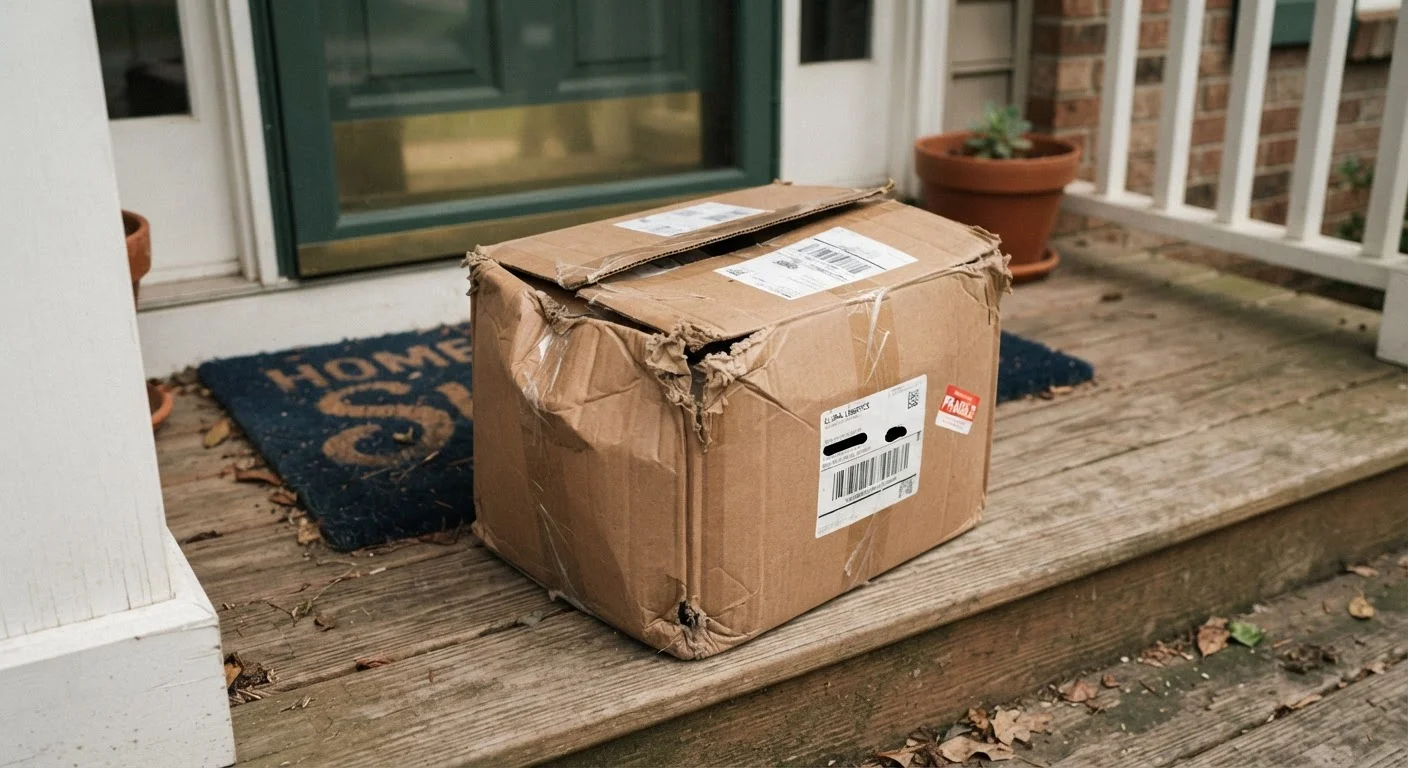
When a package arrives crushed or doesn't show up at all, many consumers instinctively call the carrier - but the retailer is typically the party legally obligated to make things right. The sales contract is between you and the seller, not you and the shipping company. That means the retailer carries the burden of ensuring you receive what you paid for, in the condition you paid for.
The FTC's Mail, Internet, or Telephone Order Rule reinforces this: retailers must ship within the timeframe they advertise or offer you the option to cancel for a full refund. If no timeframe was stated, a 30-day default applies. This rule applies whether you ordered from a major platform or a small independent site.
Carriers do accept separate damage or loss claims - especially if the retailer purchased shipping insurance - but those claims are between the retailer and the carrier in most cases. Don't let a retailer redirect you to the carrier as their only solution; that tactic doesn't override their obligation to you.
For a broader view of your rights across the entire shopping journey, see Your Consumer Rights from Purchase to Return.
Documenting the Problem: Why It Matters
The most effective thing you can do in the first few minutes after receiving a damaged package is to document everything before touching the contents. Take clear photos of:
- The outer packaging - all sides, including any labels or stickers
- The damaged item itself, still inside the box if possible
- Any packing materials (or the lack thereof)
Save every email confirmation, tracking number, and order receipt. This paper trail is essential if a dispute escalates to a credit card chargeback or a small claims filing.
Report Concealed Damage Quickly
Even if a package looks intact on the outside, inspect the contents immediately. Many carriers and retailers have time windows - sometimes as short as 48 hours - within which you must report concealed damage for a claim to be accepted. Don't set the box aside unopened.
Even if a package looks intact on the outside, inspect the contents immediately. Many carriers and retailers have time windows - sometimes as short as 48 hours - within which you must report concealed damage for a claim to be accepted.
Escalation Path: From Retailer to Chargeback
Follow this general escalation sequence to maximize your chances of a resolution:
- Contact the retailer first. Use the documented evidence you've gathered. Most reputable retailers will offer a replacement or refund at this stage with minimal friction.
- File a carrier claim in parallel. If the retailer is slow to respond, submit a claim with the carrier as well. You don't have to wait for one to resolve before starting the other.
- Initiate a credit card chargeback. If the retailer refuses a reasonable resolution, the Fair Credit Billing Act (FCBA) gives you the right to dispute the charge with your card issuer. The issuer investigates and can reverse the charge. Act within 60 days of the billing statement showing the charge.
- File a complaint. The FTC (ReportFraud.ftc.gov) and your state attorney general's consumer protection office are both valid escalation points if a business is systematically unresponsive.
Understanding your remedy options - whether that's a full refund, replacement, or repair - is worth reading up on before you negotiate. See Refund, Replacement, or Repair: Understanding Your Remedy Options for a detailed breakdown.
Chargeback Is a Right, Not a Last Resort Loophole
Some consumers hesitate to initiate a chargeback, worrying it's adversarial or improper. In fact, the Fair Credit Billing Act was enacted specifically to protect consumers from exactly this type of situation - paying for goods that weren't delivered as promised. Using it responsibly, after attempting to resolve with the merchant first, is entirely appropriate.
Special Situations Worth Knowing
Marked delivered but not received: Carriers sometimes scan packages as delivered prematurely. Check with neighbors and building staff, then report to the retailer and carrier. If USPS is involved, you can submit a missing mail search request and contact the U.S. Postal Inspection Service for potential mail theft.
Third-party marketplace sellers: When you buy through a marketplace platform (rather than directly from a brand), the platform's buyer protection policies may add a layer of recourse. Familiarize yourself with those policies before you need them - good preparation habits are covered in A Shopper's Habit Checklist.
Business closures mid-order: If a retailer closes before fulfilling your order, your chargeback rights under the FCBA are particularly important. Learn more in When a Business Closes: Protecting Yourself as a Consumer.
1 in 10
Online orders reported as lost, damaged, or stolen
According to a 2023 Pitney Bowes consumer survey, approximately one in ten online purchases experienced a delivery problem including loss, damage, or porch piracy.
60 days
FCBA chargeback window from billing statement date
The Fair Credit Billing Act generally requires consumers to dispute a charge within 60 days of the statement date on which the error appears.
30 days
Default FTC shipping deadline if none is stated
Under the FTC's Mail Order Rule, retailers who don't specify a shipping window must ship within 30 days or offer the consumer a full refund.