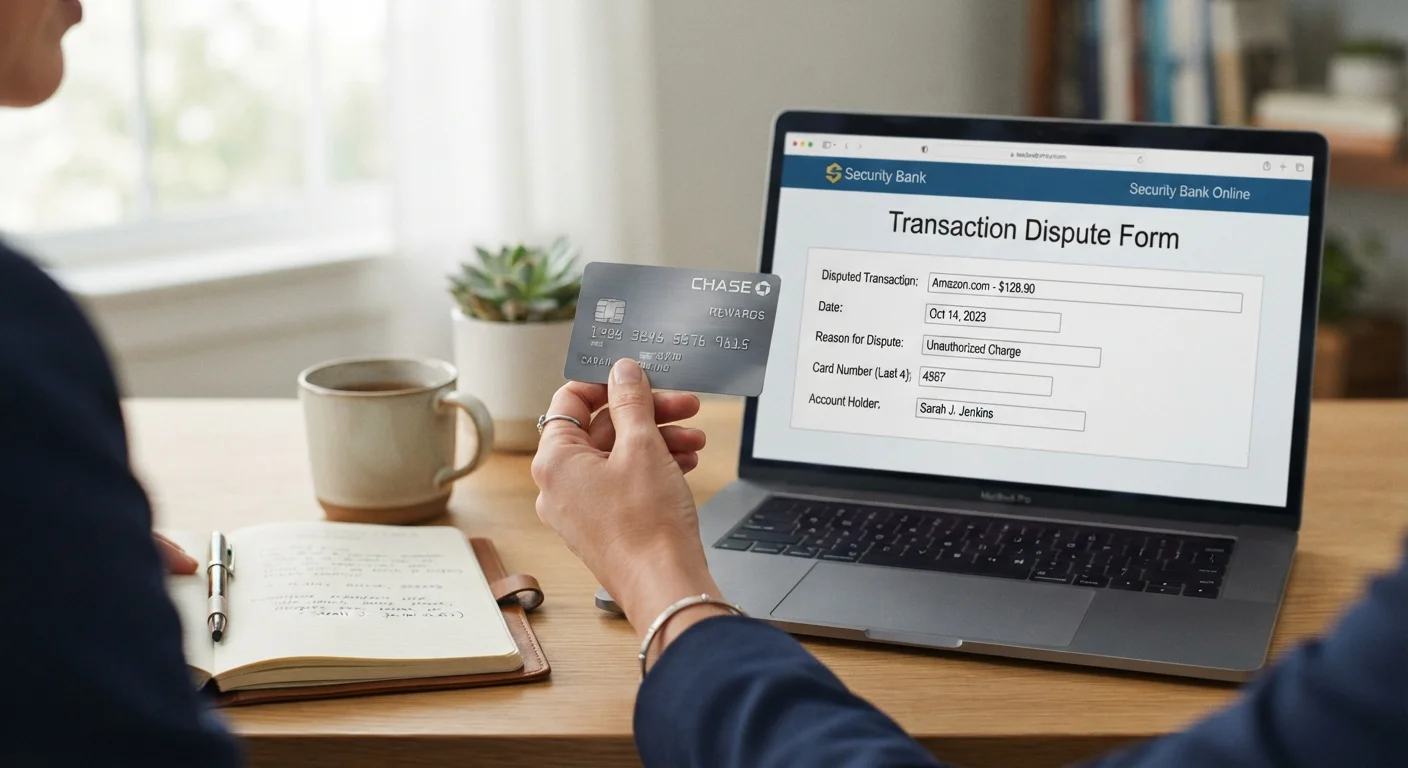
What Qualifies as a Valid Chargeback Reason
Not every disappointing purchase qualifies for a chargeback. The Fair Credit Billing Act outlines specific categories of billing errors that can be disputed with your card issuer. Understanding which situations qualify is the first step in deciding whether to file.
- Unauthorized charges: Transactions you didn't make or approve - the most straightforward category, typically involving fraud or identity theft.
- Non-delivery: You paid for goods or services that were never received and the merchant hasn't resolved the issue.
- Significantly not as described: The item received materially differs from what was advertised - a different model, obvious defects, or counterfeit goods.
- Duplicate billing: You were charged more than once for the same transaction.
- Incorrect amount: The amount billed doesn't match what you agreed to pay.
- Credit not processed: A merchant promised a refund but it never appeared on your statement.
General dissatisfaction, change of mind, or disputes about quality that fall within what was described typically don't meet the threshold. For a broader look at how chargebacks fit among other dispute tools, see our comparison of consumer dispute options.
FCBA vs. Card Network Rules
The Fair Credit Billing Act establishes federal baseline protections for credit card disputes, but individual card networks (Visa, Mastercard, American Express, Discover) layer on their own rules, timelines, and reason codes. In practice, the network rules often extend consumer protections beyond the federal minimum. Check your specific cardholder agreement to understand which rules apply to your card.
How the Chargeback Process Actually Works
The process involves four parties: you (the cardholder), your card issuer, the merchant, and the merchant's acquiring bank. Here's what typically happens after you file:
- You contact your issuer - by phone, app, or online portal - and state your reason for disputing the charge. Your issuer may issue a provisional credit while the investigation proceeds.
- The issuer notifies the merchant's bank, which passes the dispute to the merchant with a deadline to respond (usually 30-45 days depending on network rules).
- The merchant can accept the chargeback or submit a rebuttal with supporting evidence: receipts, delivery confirmation, correspondence records, and terms of sale.
- Your issuer reviews both sides and makes a determination. If you win, the provisional credit becomes permanent. If the merchant wins, the charge is reinstated.
- Either party may escalate to arbitration through the card network, though this is less common and involves additional fees.
Timelines vary, but most disputes are resolved within 30-90 days. Keep copies of all your supporting documentation throughout.
Always Try the Merchant First
Most card issuers require - or strongly expect - that you've contacted the merchant before filing a chargeback. A simple email or chat transcript showing your attempt to resolve the issue directly can be the difference between a successful and unsuccessful dispute. Save every communication with timestamps before you escalate.
Building a Strong Dispute: Documentation Matters
The outcome of a chargeback often comes down to paperwork. Issuers and card networks apply structured rules - called reason codes - and the evidence that supports your specific code is what determines success.
60 days
Window to dispute a billing error under FCBA
The Fair Credit Billing Act sets a 60-day window from the statement date; some issuers and networks voluntarily extend this for fraud claims.
$50
Minimum purchase threshold for FCBA quality disputes
The FCBA's protections for disputes based on quality or non-delivery apply only to purchases over $50, though many card issuers waive this restriction.
30-90 days
Typical dispute resolution timeline
Most chargebacks are investigated and resolved within this window, though complex cases or arbitration escalations can take longer.
Before or when filing, gather the following:
- The original order confirmation and receipt
- Written communication with the merchant (emails, chat logs, support ticket numbers)
- Photos if the item arrived damaged or was clearly not as described
- Shipping or tracking records showing non-delivery
- Your statement clearly showing the disputed charge
Be concise and specific in your written explanation. Vague claims like "I didn't get what I wanted" are far less effective than "I ordered item X; I received item Y, which has a different model number, as shown in the attached photos."
It's also worth understanding that credit cards offer this protection in ways debit cards often don't - a key reason why the card you use for online purchases matters. See how debit and credit cards compare for everyday financial trade-offs for more context.
Limits, Risks, and When Not to File
Chargebacks are a legitimate consumer tool - but misusing them has real consequences. Filing a dispute for a transaction you actually authorized, simply because you're unhappy with a policy or want to avoid going through a merchant's return process, is sometimes called "friendly fraud" and can constitute a form of misrepresentation.
Potential risks of misuse include: having your card account closed by the issuer, being added to a merchant risk database (such as those maintained by some fraud-prevention services), and in extreme cases, civil liability. Issuers track chargeback patterns and may flag accounts with unusual dispute rates.
There's also a practical limit in the FCBA for purchases over $50 made outside your home state or more than 100 miles from your billing address, though many issuers voluntarily waive these geographic restrictions. Always verify what protections your specific card provides.
For context on where chargebacks fit within your broader consumer rights - from purchase through return - see our complete consumer rights overview. And if you're navigating a credit report error rather than a charge dispute, the process is entirely separate - disputing a credit report error follows different rules and timelines.
This article is for general informational purposes only and does not constitute financial, legal, or personalized advice. Consult a qualified financial or legal professional for guidance specific to your situation.