Why a Pre-Purchase Checklist Works
Retailers and app designers invest heavily in reducing friction between wanting something and buying it. One-click checkout, countdown timers, and low-stock warnings are all engineered to compress your decision window. A pre-purchase checklist works against that pressure by inserting a deliberate pause - not to stop you from buying, but to make sure you're buying for the right reasons.
Research in consumer behavior consistently shows that unplanned purchases are a leading driver of budget overruns. The fix isn't willpower; it's process. A short, repeatable checklist gives you a framework to evaluate any item - from a $15 impulse add-on to a $1,500 appliance - using the same clear criteria every time. Over time, that routine becomes instinctive.
This checklist is designed to work for everyday purchases. For larger commitments, see our checklist for major expenses, which goes deeper on budget fit, alternatives, and long-term value.
Need & Timing
Budget & Affordability
Research & Verification
Protections & Exit Options
Final Gut Check
Tools to Make the Habit Stick
The checklist itself is only useful if you actually run it. The tools below help you integrate this routine into how you already shop - online and in-store.
Price-history browser extension
Reveals whether a product's current price is genuinely discounted or whether the 'sale' price is its normal price.
Budgeting app or spending tracker
Lets you confirm in real time whether a purchase fits your current budget before you commit.
Notes app or physical notepad
Records the item, the date you first considered it, and your reasoning - useful during a waiting period.
Consumer review aggregator
Consolidates independent user reviews from multiple platforms so you can spot consistent quality or reliability issues.
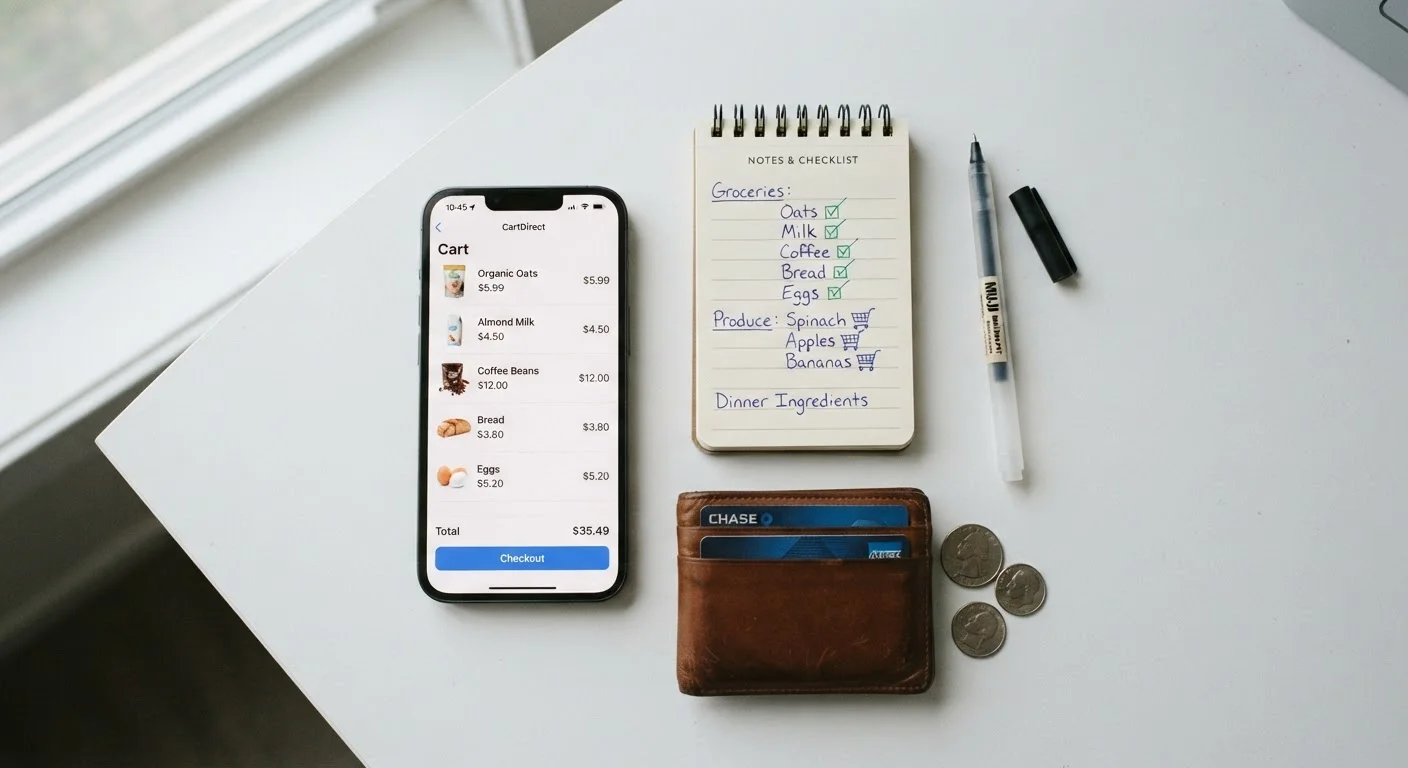
One of the most underrated habits is building a structured shopping list before you browse. A list functions as a pre-commitment device: anything not on it requires justification. Learn more in our guide to building a shopping list that guards against impulse spending.
If you're regularly navigating upsells at checkout, our guide to resisting point-of-sale upsells gives you a practical script for evaluating add-ons on your own terms rather than the seller's timeline.
Countdown timers and 'only X left' alerts
Many online retailers display low-stock warnings or countdown clocks that are reset automatically and do not reflect real inventory. Treat them as sales tactics, not factual information. If an item is genuinely right for you, it will still be right for you after your waiting period - and often still available.
For purchases you plan to repeat - electronics, clothing, household goods - consider building category-specific criteria you can reuse. Building a personal buying criteria list explains exactly how to do that, so you stop reinventing the wheel each shopping session.
Finally, connecting your purchase decisions to a broader budget practice pays long-term dividends. Budgeting Basics and Saving & Debt are good starting points if you want to tie your shopping habits to larger financial goals.
This article is for general informational purposes only and does not constitute financial or legal advice. For guidance tailored to your personal financial situation, consult a qualified financial professional.