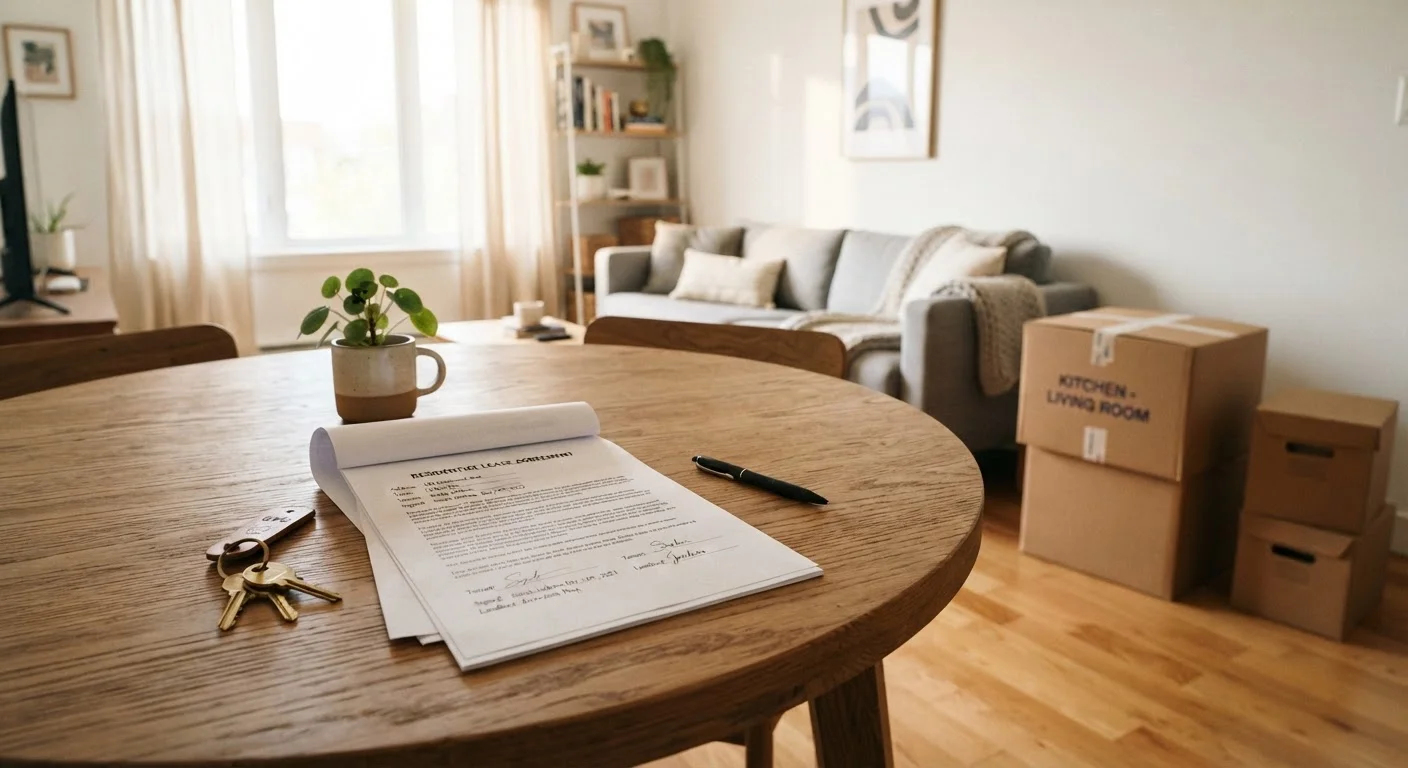
The Rental Application: What Landlords Actually Evaluate
The application phase sets the tone for everything that follows. Landlords use a standardized screening process to assess risk, and understanding what they look for lets you present yourself as a strong candidate. For a deeper look at this process, see how rental applications actually work.
Most landlords evaluate four core factors:
- Credit history: A score in the mid-600s or higher is generally acceptable, though competitive markets may require more. Landlords look at payment patterns and outstanding debt, not just the score.
- Income verification: The common benchmark is that gross monthly income equals at least three times the monthly rent. Expect to provide recent pay stubs, tax returns, or bank statements.
- Rental history: Prior evictions are typically disqualifying. Landlords often contact previous landlords directly, so positive references matter.
- Background check: Policies vary by state and local law; some jurisdictions restrict what can be considered.
Before submitting any application, pull your own credit report at AnnualCreditReport.com and resolve any errors - a dispute takes weeks, and you want clean data before a landlord sees it.
Hard inquiries from multiple applications can temporarily lower your score, and pre-existing errors are a common, correctable reason for denial.
During move-out, photograph every room with a timestamp and submit a written forwarding address to your landlord on the same day you return keys - this starts the legal deposit-return clock.
Many states tie the deposit-return deadline to the date the landlord receives both possession of the unit and the tenant's forwarding address.
Prepare a rental application package - including ID, income documents, and references - before you begin touring. Moving quickly after finding a good unit is a competitive advantage in most rental markets.
Lease Signing: What to Read Before You Sign
The lease is a legally binding contract, and every clause matters. Signing without reading is a common mistake that can lead to unexpected fees, restricted rights, or disputes months later.
“The lease is the foundation of the entire rental relationship. Every renter should read it as carefully as any financial contract - because it is one.”
— National Housing Law Project, Nonprofit tenant legal advocacy organization
Pay close attention to these sections:
- Rent amount, due date, and late fees: Know exactly when rent is due and what the grace period is before penalties apply.
- Lease term and renewal conditions: Understand whether the lease converts to month-to-month automatically or requires action from you.
- Security deposit terms: Note the amount, what it can be used for, and the return timeline.
- Maintenance responsibilities: Clarify which repairs fall to you versus the landlord.
- Pet, subletting, and guest policies: Violations of these clauses are among the most common grounds for disputes.
Verbal Agreements With Landlords Don't Hold Up
If a landlord promises to fix something, allow a pet, or waive a fee, get it in writing before you sign the lease or take occupancy. Verbal agreements are extremely difficult to enforce in landlord-tenant disputes and are routinely denied by landlords when conflicts arise. A simple email exchange confirming the agreement can serve as documentation.
If you're also weighing the responsibilities of homeownership, our guide to the full lifecycle of a home purchase offers a useful contrast.
Move-In Day: Protecting Yourself From the Start
Your first day in the unit is also your first day of legal protection - or vulnerability, if you skip the inspection.
Never Skip the Move-In Inspection
Skipping the move-in walkthrough is one of the most costly mistakes renters make. Without a dated, signed inspection report and photographic evidence, you have little legal recourse if a landlord later claims pre-existing damage was caused by you. Conduct this inspection on your first day of access - ideally with the landlord present - and keep a copy of the signed report for the entire duration of your tenancy.
Walk through every room systematically and document:
- Wall scuffs, holes, or stains
- Carpet condition and any existing stains
- Appliance functionality (test all burners, the oven, dishwasher, and HVAC)
- Plumbing - check under sinks and run all faucets
- Window and door locks
- Any pre-existing pest evidence
Photograph everything with a device that timestamps images. Submit the completed checklist to your landlord in writing and retain a copy. This document is your primary defense against deposit deductions at move-out.
44M+
Renter households in the U.S.
According to U.S. Census Bureau data, more than 44 million households rent their primary residence.
~30%
Income threshold used by most landlords
Most landlords use a guideline that rent should not exceed roughly 30% of a renter's gross monthly income.
14-30 days
Typical deposit return window by state law
State landlord-tenant statutes generally require security deposit returns within this range after a tenancy ends.
During the Tenancy: Rights, Responsibilities, and Communication
Once you're settled, the ongoing tenancy phase is largely about maintaining the relationship and the unit. Most disputes arise from poor communication or misunderstood responsibilities.
Maintenance and Repairs
Landlords are legally obligated to maintain rental units in a habitable condition - functioning heat, plumbing, and structural integrity are baseline requirements in every state. When something breaks, report it promptly in writing. This creates a paper trail and triggers the landlord's legal obligation to respond within a reasonable timeframe.
Rent Increases
In non-rent-controlled markets, landlords can raise rent between lease terms with proper notice - typically 30 to 60 days. In some jurisdictions, rent stabilization ordinances limit how much and how often increases can occur. Know your local rules.
Privacy and Entry
Most states require landlords to give at least 24 hours' notice before entering your unit, except in genuine emergencies. Repeated unannounced entries may constitute harassment and may be actionable under local law.
For renters navigating a new city or unfamiliar area, the first-time renter's roadmap covers neighborhood evaluation strategies worth revisiting during your tenancy.
Move-Out: Getting Your Deposit Back
The move-out phase is where the rental lifecycle completes - and where the most financial friction occurs. A methodical approach significantly increases the likelihood of a full deposit return.
Before You Leave
- Clean the unit to the standard described in your lease (some leases require professional cleaning).
- Repair damage you caused - small nail holes, for instance - but do not attempt repairs beyond your skill level.
- Return all keys, fobs, and parking passes on the agreed date.
- Request a move-out walkthrough with the landlord if your state allows it.
Give Proper Written Notice on Time
Most leases require 30 to 60 days' written notice before vacating. Check your lease for the exact requirement and deliver notice in a documented way - certified mail or email with read receipt - rather than verbally or through a text message. Failing to provide adequate notice can cost you a month's rent in penalties.
After You Leave
Your landlord is required by state law to return your deposit - minus any lawful deductions - within the statutory deadline, typically 14 to 30 days. They must provide an itemized written statement of any deductions. If deductions seem improper or the deposit is not returned on time, you may have grounds to pursue the full deposit plus additional penalties in small claims court.
Landlord-Tenant Laws Vary by State
Security deposit limits, required notice periods, habitability standards, and retaliation protections differ significantly across states and even municipalities. The guidance in this article reflects general U.S. practices. Always verify the specific rules that apply in your jurisdiction, and consider consulting a local tenant's rights organization if you face a dispute.
Understanding the full arc of a rental - from screening through deposit return - puts you in a far stronger position than renters who treat each phase in isolation. This lifecycle knowledge is as important for renters as the parallel knowledge buyers need; see our home buying and selling guides for that perspective.
This article is for general informational purposes only and does not constitute legal advice. Landlord-tenant laws vary by state and locality. Consult a licensed attorney or local tenant's rights organization for guidance specific to your situation.