What Contingencies Actually Do
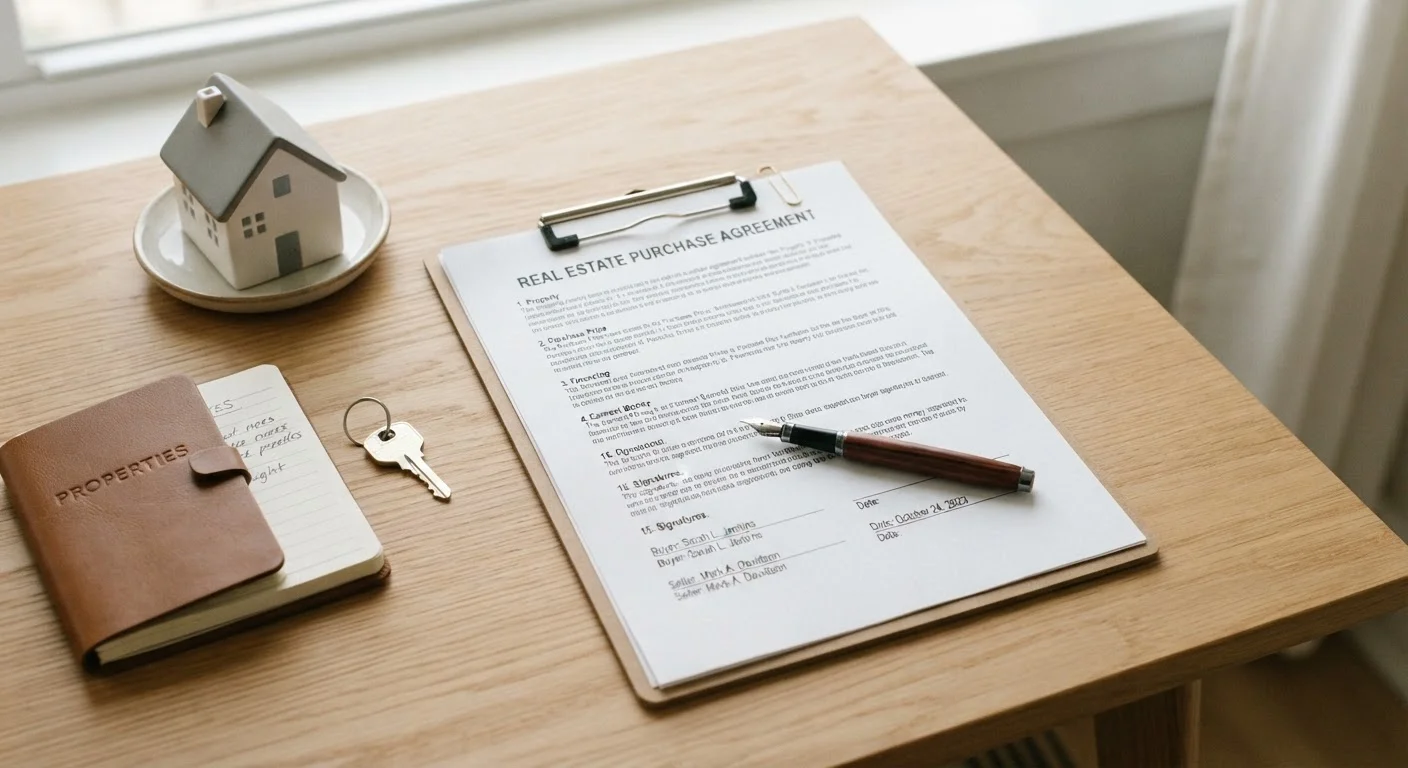
When a buyer and seller sign a purchase agreement, that contract isn't always ironclad from day one. Most transactions include contingencies - built-in conditions that give both parties a structured exit if something goes wrong before closing. Think of them as checkpoints in the process rather than complications.
Contingencies define the rules for backing out. Without them, a buyer who discovers a serious foundation problem after signing - or whose mortgage falls through - could forfeit their earnest money deposit. With the right contingencies in place, that same buyer has a legal path to cancel and recover their funds.
For a broader look at how transactions unravel, see why homes fall out of escrow - contingency failures are among the leading causes.
Contingency Rules Vary by State
Real estate is regulated at the state level, and contingency language, deadlines, and default rules differ significantly across markets. What's standard in California may not apply in Florida or Texas. Always review your specific purchase contract carefully, and consider having a licensed real estate attorney explain the terms before you sign.
The Three Core Contingencies
Inspection Contingency
This gives the buyer a set window - typically 7 to 14 days - to have the property professionally inspected. If the inspection reveals problems the buyer finds unacceptable, they can negotiate repairs, request a price reduction, or walk away. Without this clause, the buyer accepts the home in its current condition, sight unseen for hidden defects.
After an inspection, there's often room to renegotiate. Our guide to negotiating after a home inspection walks through how to approach those conversations effectively.
Financing Contingency
Also called a mortgage contingency, this protects the buyer if they cannot secure a loan on the agreed terms within a set period. If the lender denies the loan or the terms change materially, the buyer can cancel and recover their earnest money. Sellers should know this contingency is also a signal: a pre-approved buyer is a stronger counterpart than one who is only pre-qualified.
Appraisal Contingency
Lenders require an independent appraisal before funding a mortgage. If the home appraises below the agreed purchase price, this contingency allows the buyer to renegotiate, make up the difference in cash, or exit the contract. Without it, a low appraisal forces a difficult choice: cover the gap out of pocket or lose the deal - and potentially the earnest money.
~5%
Contracts that fall through before closing
According to data periodically reported by the National Association of Realtors, roughly 5% of purchase agreements fail to close, with financing and inspection issues among the leading causes.
1-3%
Typical earnest money deposit range
Earnest money deposits commonly range from 1% to 3% of the purchase price - the amount a buyer risks losing if they exit a contract without a valid contingency.
Other Contingencies Worth Knowing
Beyond the big three, purchase contracts may include additional protective clauses depending on the buyer's and seller's circumstances.
- Home Sale Contingency: Protects buyers who need to sell their current home to finance the purchase. It's more common in slower markets and typically less attractive to sellers in competitive ones.
- Title Contingency: Ensures the seller can deliver a clear title - free of liens or ownership disputes - before closing. Most lenders require this anyway, but having it written into the contract as a contingency adds an explicit exit if problems surface.
- HOA Document Review Contingency: In communities governed by a homeowners association, this gives the buyer time to review CC&Rs, bylaws, financial statements, and meeting minutes. It matters more than many buyers expect.
For a full look at what thorough research before closing entails, see due diligence before buying a home.
Contingencies in Competitive Markets
In a seller's market, buyers sometimes waive contingencies to make their offer stand out. This strategy can work, but the risks are real and should be understood clearly before proceeding.
Waiving an inspection contingency means accepting the home in its present condition - any defects found after closing become the buyer's financial responsibility. Waiving a financing contingency means the earnest money deposit is at risk if the loan doesn't close. These are not decisions to make under pressure without understanding the consequences.
An alternative to outright waiving is shortening contingency periods, which signals seriousness without fully surrendering protection. Some buyers also use an escalation clause alongside their contingencies rather than removing them. Discuss the tradeoffs with your agent and, when appropriate, a real estate attorney.
Shorten Deadlines Instead of Waiving
If you're in a competitive market and feel pressure to waive contingencies, consider shortening the contingency period instead. A 7-day inspection window rather than 14 signals urgency and seriousness while preserving your legal protection. Talk to your agent about what's reasonable given local market norms and inspector availability.
Understanding the full vocabulary of a purchase contract is essential before making or evaluating offers. Our real estate terms guide covers escrow, earnest money, and other key concepts in plain language.
This article is for general informational and educational purposes only. It does not constitute legal, financial, or real estate advice. Real estate contracts and contingency rights vary by state and individual circumstance. Consult a licensed real estate professional or attorney for guidance specific to your situation.