The Technology Behind the Chip
A pet microchip is a passive RFID transponder - "passive" meaning it requires no internal power source. The chip sits dormant under the skin until a scanner emits a low-frequency radio wave, which energizes the chip just long enough to transmit its unique ID number back to the scanner's display.
That number, typically 15 digits under the international ISO standard, is permanently encoded at manufacture. It cannot be changed, deleted, or duplicated. The chip itself stores nothing else - no medical history, no owner name, no address. The information that makes the chip useful lives in an external registry database, not on the chip.
Most scanners used by shelters and veterinary clinics in the U.S. today are "universal" or "forward and backward reading" devices capable of detecting chips operating at different frequencies. This matters because earlier chips used different frequency standards, and older scanners sometimes missed them.
ISO Standard vs. Older Chip Frequencies
The internationally recognized standard for pet microchips is ISO 11784/11785, which operates at 134.2 kHz. Some chips implanted in the U.S. before wider ISO adoption used a 125 kHz frequency. If your pet was chipped several years ago, ask your vet to confirm which frequency was used and whether your chip is detectable by current universal scanners.
What Microchipping Is Not
The most common misconception is that a microchip functions like a GPS tracker. It does not. GPS devices require power, a cellular or satellite connection, and active signal transmission - none of which a passive RFID chip provides. If your dog slips out of the yard, the chip won't tell you where they went. It will help identify them after someone finds them and scans for a chip.
This distinction matters when thinking about how microchipping fits into a broader pet safety routine. A collar with an ID tag provides immediate, visible identification. A microchip provides a permanent backup when a collar is lost or removed. Neither replaces the other, and neither replaces supervision and secure fencing.
If real-time location tracking interests you, GPS pet collars are a separate product category - battery-powered wearable devices with subscription-based tracking. The tradeoffs involved in those devices are worth understanding, much like the limitations explored in discussions of wearable tracking devices more broadly.
Use Both a Tag and a Microchip
A visible ID tag on a well-fitted collar gives anyone who finds your pet immediate contact information - no scanner required. The microchip serves as a permanent backup if the collar is lost. Using both together gives your pet the strongest chance of a quick reunion if they become lost.
The Implantation Process
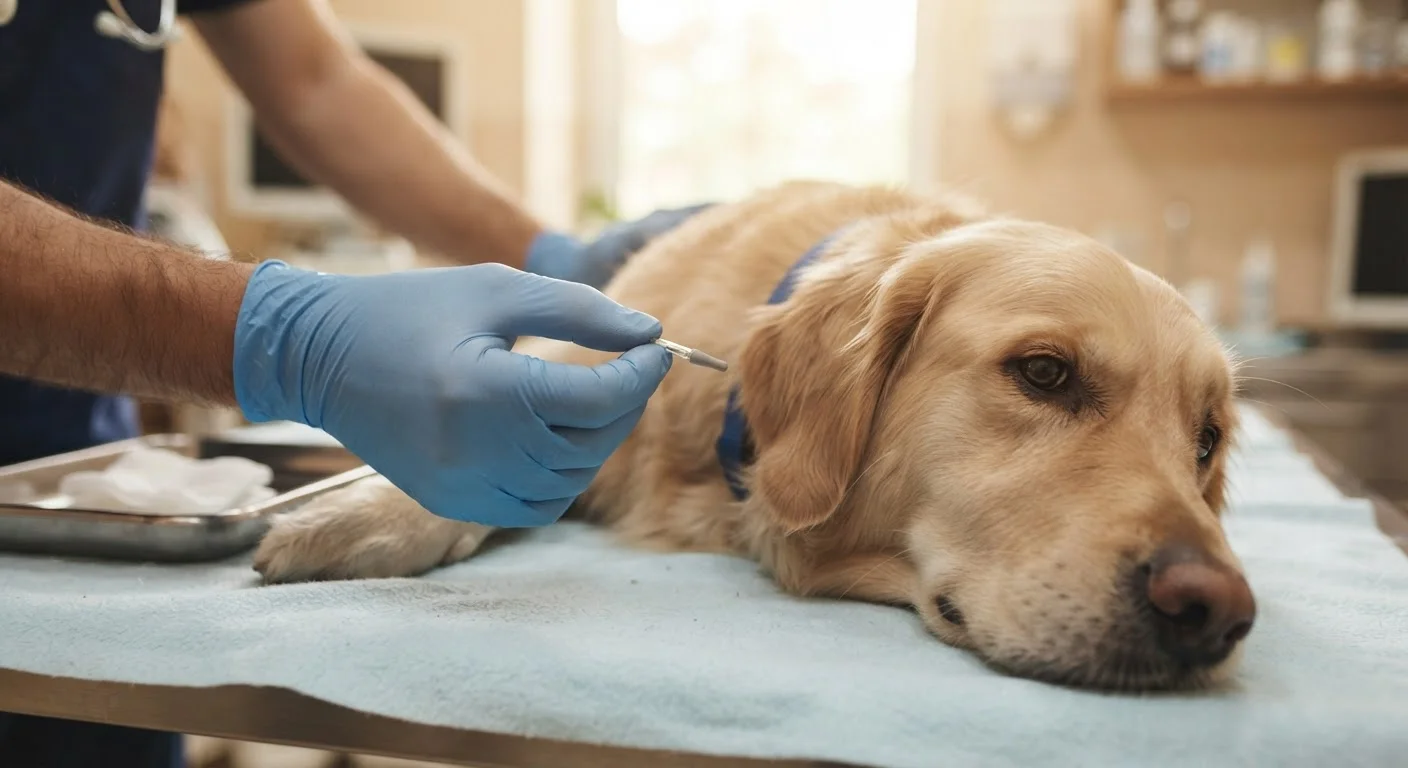
A veterinarian or trained technician injects the chip using a sterile, pre-loaded needle - typically between the shoulder blades on dogs and cats. The needle is larger than a standard vaccine needle, but the process is brief and most animals tolerate it well without sedation. Some owners choose to have it done during a spay or neuter procedure when the pet is already under anesthesia.
After implantation, your vet should scan the site immediately to confirm the chip is readable and record the number in your pet's file. That number is the key to everything that follows.
Microchipping is one piece of a responsible pet care routine. Pairing it with up-to-date vaccinations - covered in our guide on what vaccines pets actually need - and appropriate health coverage helps ensure your pet is protected from multiple angles.
Registration: The Step That Makes It Work
Implanting a chip without registering it is like printing a phone number on a business card but never connecting it to a phone. The chip's ID number must be entered into a pet recovery registry along with your current contact information before it can serve its purpose.
The United States does not maintain one centralized national database. Several private registries operate independently, and shelters typically use online lookup tools - such as the AAHA Universal Pet Microchip Lookup Tool - that search across multiple databases simultaneously. Registering with a service connected to that lookup infrastructure improves your odds significantly.
Equally important: update your information whenever you move or change phone numbers. An outdated registry entry is one of the most common reasons a found, chipped pet cannot be returned to its owner. Confirm your chip registration at the same time you review your pet's other health records - a habit that pairs naturally with annual vet visits and reviewing coverage details like those outlined in our overview of how pet insurance works.
~52%
Microchipped dogs returned to owners
A study published in the Journal of the American Veterinary Medical Association found dogs with microchips were returned to owners at significantly higher rates than those without.
~38%
Microchipped cats returned to owners
The same JAVMA research found microchipped cats were over 20 times more likely to be returned than unchipped cats brought to shelters.
~58%
Chips with incorrect or missing registry info
According to research cited by the American Humane Association, a majority of microchip failures result from unregistered or outdated owner information rather than chip malfunction.