Why Preparation Comes Before the Budget
Most budgeting efforts stall not because people lack discipline, but because they start without the right information. Building a budget on incomplete data is like calculating a road trip cost without knowing your car's fuel efficiency - the math simply won't hold up.
Before you open a spreadsheet or download a budgeting app, take 30 to 60 minutes to pull together the documents and numbers described in this checklist. When you're ready to build your full plan, our guide to personal budgeting from the ground up walks through every core concept step by step.
This preparation phase is also the moment to confront numbers you may have been avoiding - account balances, total debt, and spending patterns. Viewing them clearly, without judgment, is the first step toward taking control. The checklist below is grouped into logical categories so you can work through each one systematically.
Income Documentation
Fixed Monthly Obligations
Variable and Discretionary Spending
Irregular and Annual Expenses
Account Balances and Savings
Goals and Priorities
Tools That Make the Process Easier
You don't need sophisticated software to complete this preparation phase, but having the right tools on hand keeps everything organised and reduces the risk of missing something important.
Bank and credit card statements (last 90 days)
Provides the actual spending data needed to set realistic category limits.
Pay stubs or income records
Confirms your true net income so your budget is grounded in real take-home pay.
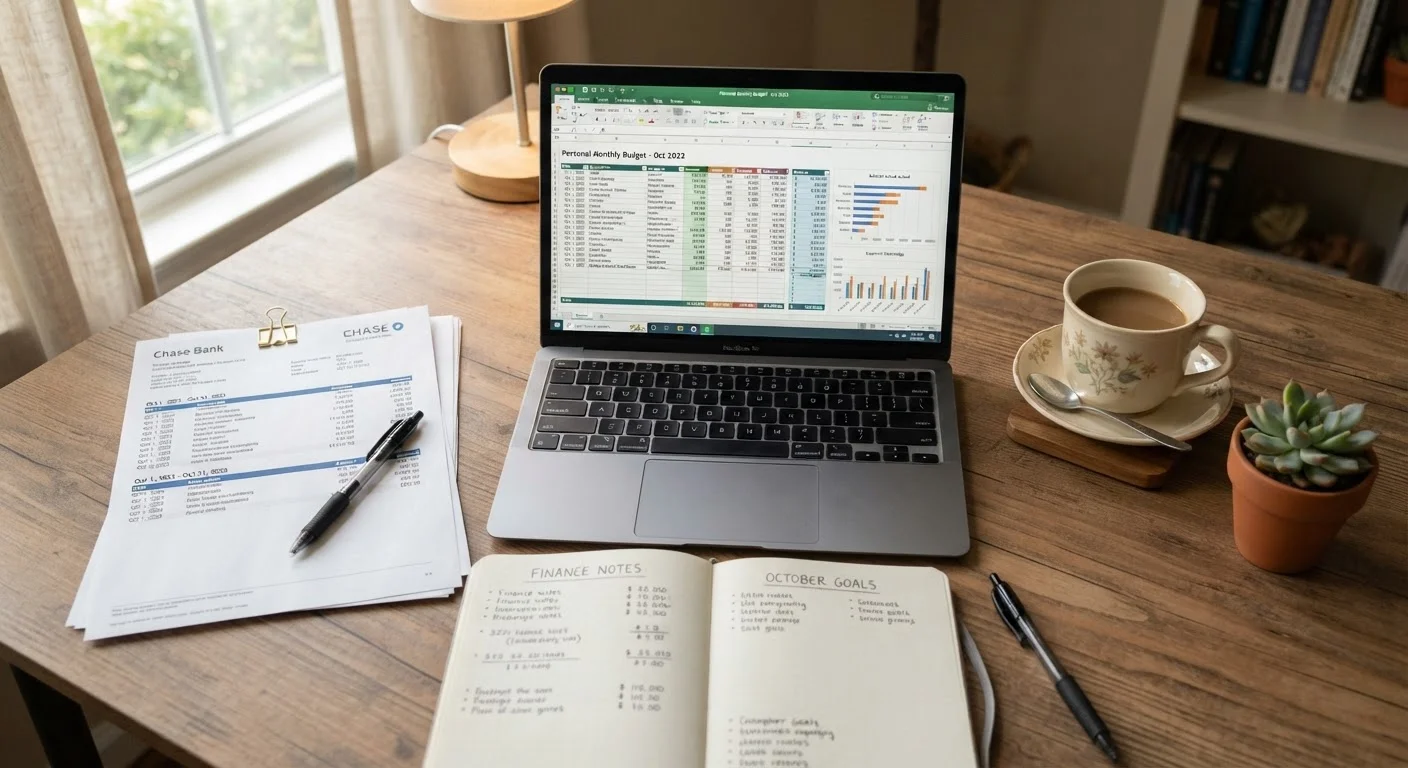
Spreadsheet application (e.g., Google Sheets or Excel)
Gives you a flexible, customisable workspace to organise income, expenses, and goals.
Notepad or printed worksheet
Useful for jotting down balances and totals as you work through statements before entering them digitally.
Most recent federal tax return
Helps identify annual income sources and deductible expenses that should factor into your annual spending plan.
Once you have your financial picture assembled, two areas deserve extra attention before you start allocating dollars: irregular expenses and existing debt. These two categories trip up more budgeters than any other. For a deeper look at planning around expenses that don't arrive monthly - think car registration, holiday spending, or annual insurance premiums - see our article on budgeting for annual and irregular expenses.
Your credit and banking setup also matters here. Understanding your credit utilisation and the accounts you hold shapes which debt-paydown strategy fits your situation. Our credit and banking hub explains credit scores, bank account types, and everyday financial tools in plain language.
Don't Rely on Memory for Spending Estimates
Research in behavioural economics consistently shows that people underestimate their discretionary spending when recalling from memory. Always use actual bank or card statements rather than estimates when completing this checklist. A difference of even $100 per month in a spending category can meaningfully throw off your entire budget plan.
Joint Finances Require Both Partners' Input
If you share finances with a spouse or partner, both of you need to participate in this preparation phase. Missing one person's subscriptions, debts, or income streams will produce a budget that doesn't reflect your household's real financial position. Schedule a dedicated 30-minute session together to work through these items.
This article provides general financial information and education. It is not personalised financial, tax, or legal advice. For guidance specific to your circumstances, consult a qualified financial professional.