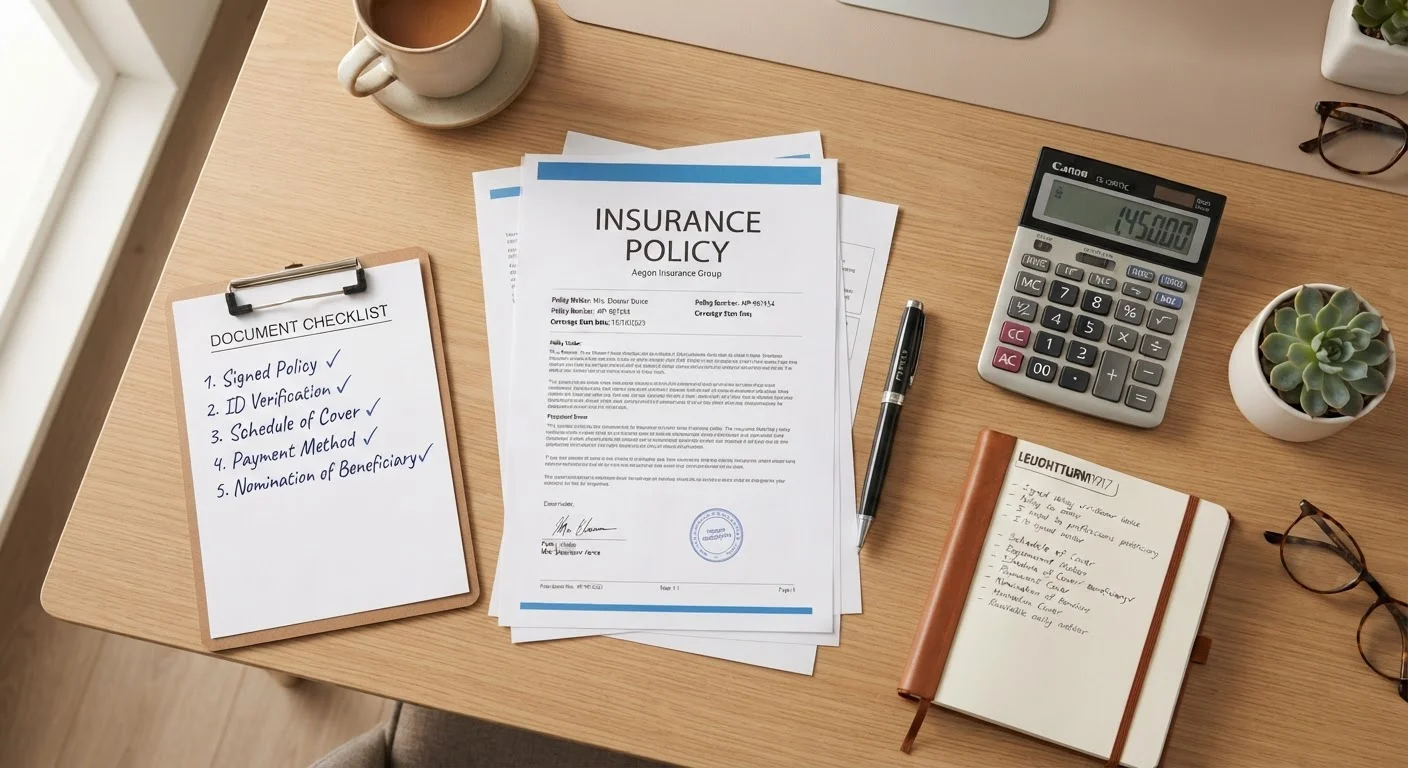
What Happens Behind the Scenes When You File
Most policyholders only interact with the claims process once or twice in their lives - which means the system can feel opaque and confusing precisely when they need it most. Understanding the structure in advance changes that. A claim is not a single event; it is a sequence of steps, each with its own rules and timelines.
The process generally follows this arc: you report the loss, an investigation takes place, coverage is determined, a settlement is offered, and payment is issued. Each stage requires action on your part and creates rights you can exercise. Being an informed participant - rather than a passive one - is the most effective way to protect your interests.
Before you get started, make sure you have the basics in hand:
What you will need
For a broader grounding in what different types of insurance actually cover, the coverage types hub is a useful starting point. And if you want to understand how to review your policies before a loss occurs, see how to spot gaps in your coverage before a claim reveals them.
Tools That Make the Process Smoother
You do not need a legal background to navigate a claim successfully - but you do need to be organized. Having the right materials ready before and during the process prevents delays and reduces the chance of disputes over basic facts.
Policy declarations page
Identifies your coverage limits, deductibles, and claim contact information at a glance.
Smartphone or camera
Used to photograph and video-document damage immediately after the loss occurs.
Home inventory list or receipts
Supports your claim by establishing the value and ownership of damaged or lost property.
Dedicated claim folder or digital folder
Keeps all correspondence, estimates, and forms organized throughout the process.
Public adjuster (third-party)
An independent professional who can represent your interests if you dispute the insurer's assessment.
Keep a Running Claim Log
From the first call to final payment, write down every interaction: dates, names, reference numbers, and what was said or decided. This log is your most reliable record if questions arise during the process. Store it alongside your claim folder so everything is in one place.
Step-by-Step: From First Notice to Final Settlement
Follow these steps in order. Each one builds on the last, and skipping ahead - or skipping steps entirely - is one of the most common reasons claims are delayed or underpaid.
Notify your insurer as soon as possible
Most policies require you to report a loss within a reasonable time - some specify exact windows. Contact your insurer by phone, app, or online portal and provide a brief, factual account of what happened. You do not need to have all the details ready, but you do need to start the clock. Ask for a claim number; you will use it in every subsequent communication.
Document the damage thoroughly
Before anything is moved or cleaned up, photograph and video-record all visible damage from multiple angles. Compile any receipts, purchase records, or serial numbers for damaged or destroyed property. If a police report, fire report, or weather service record exists, request a copy. The stronger your documentation, the less room there is for dispute.
Cooperate with the adjuster's investigation
Your insurer will assign a claims adjuster - either an employee or an independent contractor - to inspect the damage and determine what the policy covers. The adjuster will schedule an inspection, review your documentation, and may request additional information such as medical records (for liability claims) or contractor estimates. Answer questions honestly and completely, but do not speculate about causes or assign fault beyond what you know.
Review the coverage determination and settlement offer
After the investigation, the insurer will issue a coverage decision explaining what is and is not covered under your policy, and a settlement offer stating how much they will pay. Read this document carefully against your actual policy language. Pay close attention to any deductions for your deductible (the amount you agreed to pay out of pocket before coverage applies) and for depreciation.
Accept, negotiate, or appeal the settlement
If you agree with the offer, sign the release and the payment process begins. If you believe the offer undervalues your loss, you can negotiate. Provide supporting evidence such as independent repair estimates or replacement cost documentation. Most policies also include an appraisal or arbitration process for formal disputes. If you reach an impasse, your state's insurance department is a resource for filing a complaint or learning about your rights.
Your Payout May Be Less Than You Expect
Many property claims are initially paid at actual cash value, which factors in the age and wear of your property rather than what it costs to replace it new. This is known as depreciation. If your policy includes replacement cost value coverage, you may be able to recover that difference - but only after completing the required repairs and submitting proof. Learn how depreciation is applied and when it can be recovered before accepting a settlement.
If the claim involves an amount small enough that pursuing it through the insurer feels disproportionate to the hassle, it may be worth understanding your other options. The small claims court process for consumers covers when that route is worth considering.
After Settlement: What to Do Next
Once your claim is resolved, use the experience as a policy review trigger. Claims often surface gaps - coverage limits that proved too low, exclusions you were not aware of, or property that was not listed on your policy. This is also a good moment to revisit your deductible and assess whether it still makes sense given your financial situation.
Delays Can Work Against You
Most policies contain a 'prompt notice' or 'timely reporting' requirement. Waiting too long to file - even while gathering documentation - can give the insurer grounds to question coverage. When in doubt, report the loss first and gather supporting materials in the days that follow.
For a comprehensive walkthrough of the full insurance lifecycle - from choosing coverage to reviewing it regularly - see the consumer's complete reference to insurance coverage.
This article is for general informational purposes only and does not constitute insurance, legal, or financial advice. Coverage terms, claim procedures, and consumer rights vary by policy, insurer, and state. Always read your actual policy documents and consult a licensed insurance professional for guidance specific to your situation.