Why Other Drivers' Coverage Choices Are Your Problem
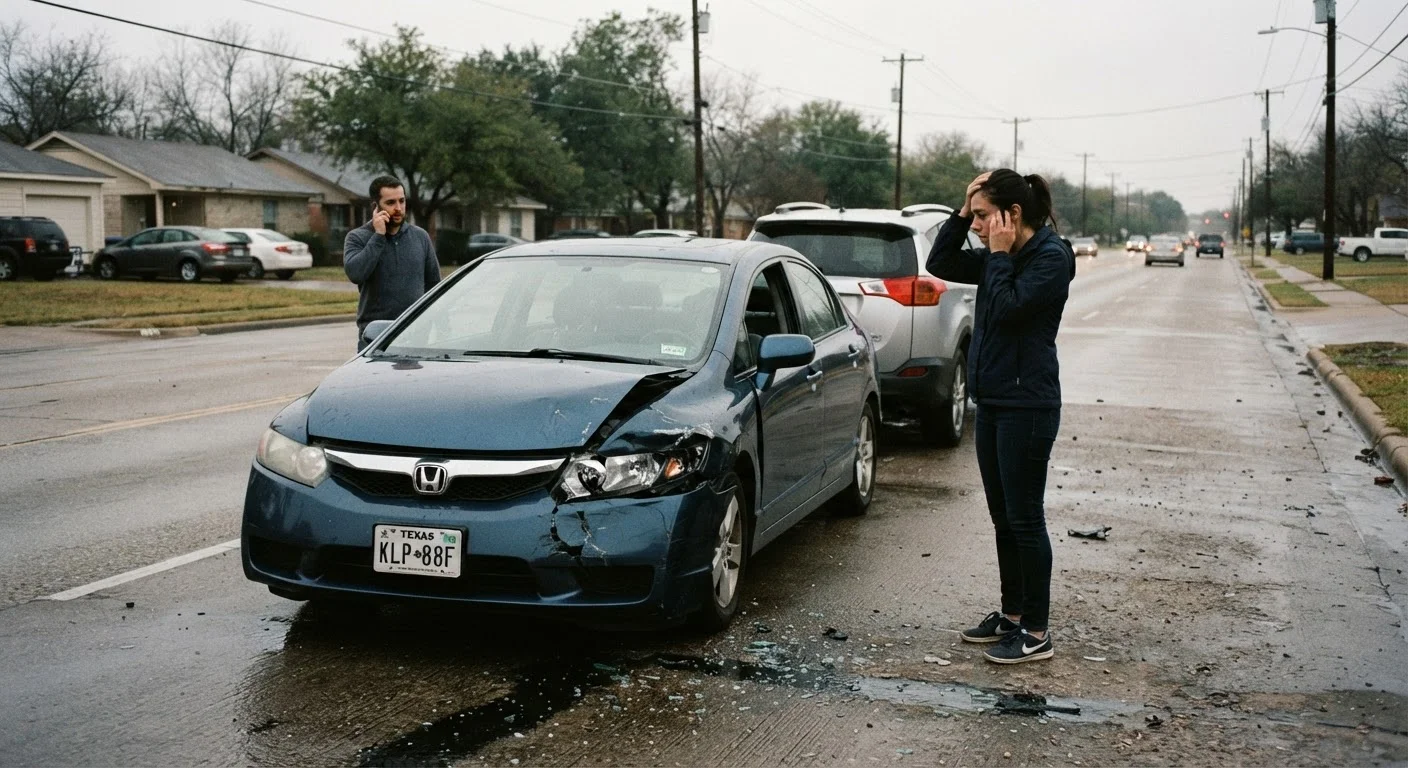
Most drivers assume that if they follow the rules - carry valid insurance, drive carefully, obey traffic laws - they're protected. But your financial safety after an accident depends not only on your own policy, but also on the choices made by the driver who hits you. That's the core vulnerability that uninsured and underinsured motorist coverage addresses.
According to the Insurance Research Council, approximately one in eight U.S. drivers operates a vehicle without any liability insurance. In some states, that figure is significantly higher. When an uninsured driver causes a serious accident, injured parties have limited options: pursue the at-fault driver personally (often impractical if they lack assets), rely on their own health insurance, or tap into UM coverage on their own policy.
Underinsurance is a separate but equally real problem. A driver who carries only the state minimum liability limits - sometimes as low as $15,000 per person for bodily injury - may cause an accident resulting in $80,000 or more in medical expenses. Their policy pays its limit; the gap becomes your problem. This scenario is explored in depth in our article on why underinsurance is as risky as having no coverage.
1 in 8
U.S. drivers estimated to be uninsured
According to the Insurance Research Council's periodic studies on uninsured motorists in the United States.
$15,000
Common state minimum bodily injury limit per person
Several states set bodily injury liability minimums this low, which may cover only a fraction of serious accident costs.
~20%
Uninsured driver rate in highest-exposure states
Some individual states significantly exceed the national average, according to Insurance Research Council data.
How UM and UIM Coverage Actually Work
UM and UIM coverage each typically come in two components:
- Bodily injury (UM/UIMBI): Covers medical bills, rehabilitation costs, lost wages, and pain and suffering for you and your passengers when the at-fault driver is uninsured or underinsured.
- Property damage (UM/UIMPD): Covers damage to your vehicle caused by an uninsured driver. Note that collision coverage can serve a similar function for vehicle repairs, though it usually involves a deductible.
When a covered accident occurs, your UM/UIM coverage essentially steps into the shoes of the at-fault driver's missing or insufficient insurance. Your insurer pays your covered losses up to your policy limits, then may pursue recovery from the at-fault driver on your behalf - a process called subrogation.
It's important to understand that UM and UIM are separate triggers. UM applies when the other driver has no insurance. UIM applies when they have insurance, but their limits are too low to cover your full damages. Some policies combine them; others offer them separately. For a broader look at how these fit into your overall policy, see auto insurance coverage types explained.
Match Your UM/UIM Limits to Your Liability Limits
A commonly recommended practice is to set your UM/UIM bodily injury limits at the same level as your own liability limits. This creates symmetrical protection - you're covered as a victim to the same degree you cover others as a driver. Ask your insurer what this adjustment would cost before deciding.
Common Misconceptions That Leave Drivers Exposed
Several widespread beliefs lead drivers to skip or undervalue UM/UIM coverage. Understanding where these ideas fall short can help you make a more informed decision.
"I have health insurance, so I'm covered."
Health insurance covers medical treatment, but it generally does not compensate for lost wages, pain and suffering, or out-of-pocket costs like deductibles and copays. UM/UIM bodily injury coverage can address losses that health insurance doesn't touch.
"I have full coverage, so I'm protected."
The term "full coverage" is informal and widely misunderstood. It typically refers to a combination of liability, collision, and comprehensive - but not necessarily UM/UIM. Check your declarations page. This is one of the misconceptions detailed in our guide to insurance coverage myths that lead to real financial gaps.
"I can just sue the at-fault driver."
You may have the legal right to sue, but collecting a judgment from an uninsured driver with limited assets is often slow, expensive, and ultimately fruitless. UM coverage provides a direct, reliable path to compensation without litigation.
State Rules Vary Significantly
Some states require insurers to offer UM/UIM coverage but allow policyholders to reject it in writing. Others mandate it without exception. A handful of no-fault states have different frameworks altogether. Always verify your state's current requirements through your state insurance department or a licensed agent - do not rely solely on general articles for compliance guidance.
Evaluating Your Coverage and Next Steps
Reviewing your UM/UIM coverage is a straightforward process. Start with your policy declarations page - the summary document that lists each coverage type and its dollar limits. Look for line items labeled Uninsured Motorist Bodily Injury, Uninsured Motorist Property Damage, and their UIM equivalents.
If those lines are absent or carry very low limits, consider contacting your insurer or a licensed agent to discuss your options. Key questions to ask include:
- Does my state require UM/UIM coverage, and at what minimums?
- Can I increase my limits, and what does each coverage tier cost?
- Does my policy allow stacking across multiple vehicles?
- How does my health insurance coordinate with UM/UIM for medical claims?
UM/UIM coverage is generally one of the more affordable add-ons available. The incremental cost of increasing limits is often modest relative to the protection it provides. If you're building your auto policy from the ground up, the article auto insurance coverage from the ground up provides a helpful foundation.
This article is for general informational purposes only and does not constitute personalized insurance, legal, or financial advice. Coverage terms, limits, exclusions, and state requirements vary by provider and location. Read your actual policy documents carefully and consult a licensed insurance professional for guidance specific to your situation.