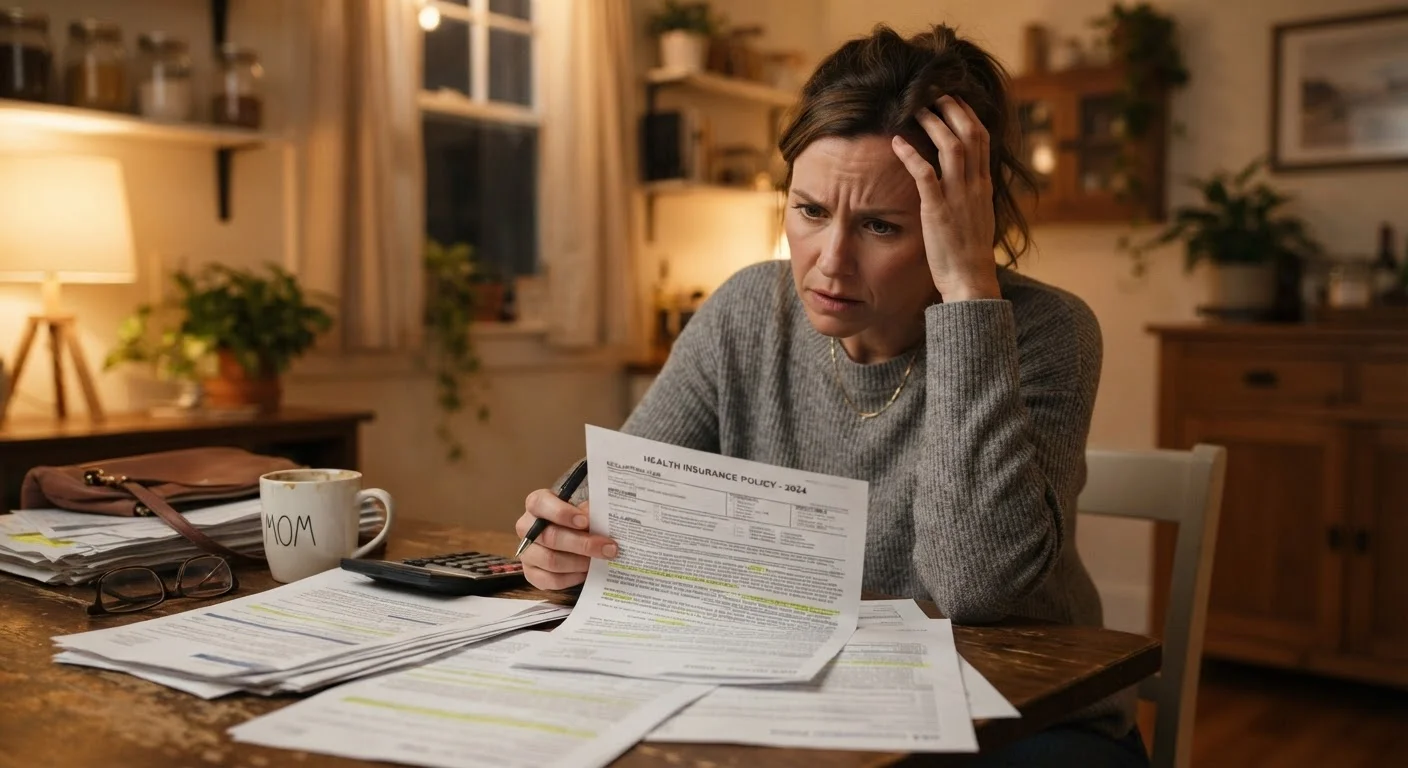
Why Coverage Gaps Stay Hidden Until It's Too Late
Insurance is one of the few financial products most people hope never to use. That dynamic creates a predictable problem: policies get purchased, filed away, and rarely revisited. The result is that coverage gaps accumulate quietly - through life changes, rising costs, and assumptions that were never tested against the actual policy language.
The good news is that most gaps follow recognizable patterns. By understanding where they typically appear, you can audit your own coverage before a claim forces the discovery. This article walks through the most common mistakes, why they happen, and what you can do about each one. For a broader self-assessment framework, see our guide on mapping your insurance needs before you shop.
Gaps Are a Coverage Problem, Not Just a Cost Problem
Many people assume paying a premium means they're protected. But a policy with the wrong limits, missing endorsements, or key exclusions can leave you absorbing large losses out of pocket. Understanding what your policy actually covers - not just that you have one - is the only way to know whether your protection is real.
The Most Common Coverage Gaps - and How to Close Them
The mistakes below aren't rare edge cases. They show up consistently across homeowners, auto, and renters coverage - often because policyholders made reasonable-sounding assumptions that the policy language didn't support.
Assuming a standard homeowners policy covers flood or earthquake damage.
Why it happens: Many policyholders conflate broad 'all-risk' language with truly comprehensive coverage. The word 'all' in insurance is always qualified by a list of exclusions.
Setting coverage limits based on the original purchase price rather than current replacement cost.
Why it happens: People set limits once and forget them, not accounting for inflation, renovations, or rising construction costs. A home insured for its 2012 value may be dramatically underinsured today.
Believing a homeowners or renters policy covers losses tied to a home-based business.
Why it happens: The line between personal and professional has blurred, especially for remote workers and freelancers. Most people don't think of their home office equipment or client liability as a separate insurance category.
Carrying only state-minimum auto liability limits and assuming that's adequate protection.
Why it happens: State minimums feel official and sufficient because they're legally mandated. In practice, minimum limits are often far below what a serious accident actually costs.
Letting a policy lapse during a life transition, such as moving, job change, or vehicle sale.
Why it happens: Coverage can fall through the cracks when people are managing multiple changes at once. A gap of even a few days can create problems - both in terms of unprotected losses and future premium increases.
Coverage limits deserve special attention here. A policy that exists but pays out far less than your actual loss is a gap in disguise. Our related article on why coverage limits matter as much as the policy itself explains how to evaluate whether your stated limits reflect real exposure. For a deeper look at how miscalculated limits create financial risk, see common coverage limit miscalculations.
~40%
Renters without renters insurance
According to the Insurance Information Institute, roughly 4 in 10 renters in the U.S. carry no renters insurance, leaving personal property and liability entirely unprotected.
~$35,000
Average flood claim payout
FEMA estimates the average flood insurance claim payout is approximately $35,000, a loss most standard homeowners policies would not cover at all.
How to Audit Your Own Coverage
You don't need to be an insurance expert to conduct a meaningful review of your policies. Start with the declarations page of each policy - it summarizes your coverages, limits, and deductibles in one place. Then read the exclusions section carefully. That's where most surprises live.
Don't Rely Solely on Your Agent's Summary
Agents provide valuable guidance, but they can't anticipate every scenario in your life. Policy summaries and verbal explanations may not capture all exclusions. Always read the declarations page and the exclusions section of your actual policy document. If something is unclear, ask your insurer for written clarification.
Make a habit of reviewing policies after any significant life event: buying or renovating a home, acquiring expensive equipment, starting a side business, or adding a teen driver. Policies that fit your life two years ago may not reflect your current exposure. Our coverage gap audit checklist offers a structured way to work through this process. If you've ever had a lapse in coverage - even briefly - review our article on what happens when a policy goes inactive to understand the downstream effects.
This article is for general informational purposes only and does not constitute insurance, financial, or legal advice. Coverage terms, exclusions, and availability vary by insurer and state. Always read your actual policy documents and consult a licensed insurance professional regarding your specific situation.