Why Teen Drivers Face Higher Risk
Motor vehicle crashes are the leading cause of death for teenagers in the United States. Inexperience is the primary culprit - not recklessness alone. New drivers haven't yet built the automatic hazard-recognition skills that come from thousands of hours behind the wheel. They are more likely to underestimate dangerous situations, make errors in judgment, and become distracted at critical moments.
The risk is especially concentrated during the first months of independent driving. Studies have found that crash rates are highest shortly after a teen obtains a license and decline steadily as experience accumulates. This pattern is what GDL programs are specifically designed to address.
#1
Leading cause of teen death in the U.S.
Motor vehicle crashes are consistently ranked as the leading cause of death among American teenagers, according to the CDC.
50%
Crash rate reduction with strong GDL laws
The Insurance Institute for Highway Safety has reported that well-designed GDL programs are associated with substantial reductions in fatal crash rates among 16-year-old drivers.
3x
Increased crash risk with teen passengers
Research has found that teen drivers carrying multiple teenage passengers can face crash risks significantly higher than when driving alone or with an adult.
How the Three GDL Stages Work
While each state's rules differ, most Graduated Driver Licensing systems follow a three-stage framework:
- Learner's Permit Stage: The new driver may only operate a vehicle under the direct supervision of a licensed adult, typically a parent or guardian who meets a minimum age requirement. This stage focuses on building foundational skills through supervised practice. Most states require a minimum number of supervised driving hours - often 40 to 60 hours, with a portion mandated at night.
- Provisional (Restricted) License Stage: The driver may operate independently, but with restrictions. The most common limits are nighttime driving curfews (commonly prohibiting unsupervised driving between 11 p.m. and 5 a.m.) and passenger restrictions that limit the number of teen passengers allowed in the vehicle. This stage typically lasts six months to one year.
- Full Unrestricted License: Once the driver reaches the minimum age and completes the provisional period without serious violations, they receive a standard driver's license with no GDL-specific restrictions.
For first-time drivers, pairing these structured stages with solid foundational habits is critical. Our guide on what every driver should know before getting behind the wheel covers the mindset and skills that matter most from day one.
The Science Behind the Restrictions
Each GDL restriction targets a documented risk factor for teen crash involvement:
- Nighttime curfews: Fatal crash rates per mile driven are higher at night for drivers of all ages, and teens are particularly vulnerable due to limited experience managing low-visibility conditions and fatigue.
- Passenger limits: Research has shown that the presence of teen passengers meaningfully increases a young driver's crash risk. Conversation, social pressure, and distraction are all contributing factors.
- Supervised hours requirements: Practice hours under adult supervision expose teens to diverse road conditions in a controlled setting, building the perceptual skills needed for independent driving.
Understanding these risks also connects to broader safe-driving principles. Defensive driving techniques - like scanning well ahead and managing space around the vehicle - are skills that teen drivers should begin developing during the supervised phase.
Make Supervised Practice Count
Don't limit supervised driving to familiar, low-stakes routes. Intentionally include night driving, highway merging, and heavy-traffic situations during the learner's permit phase. Varied practice builds the perceptual experience that reduces crash risk after the teen drives independently.
What Parents and Teens Should Know
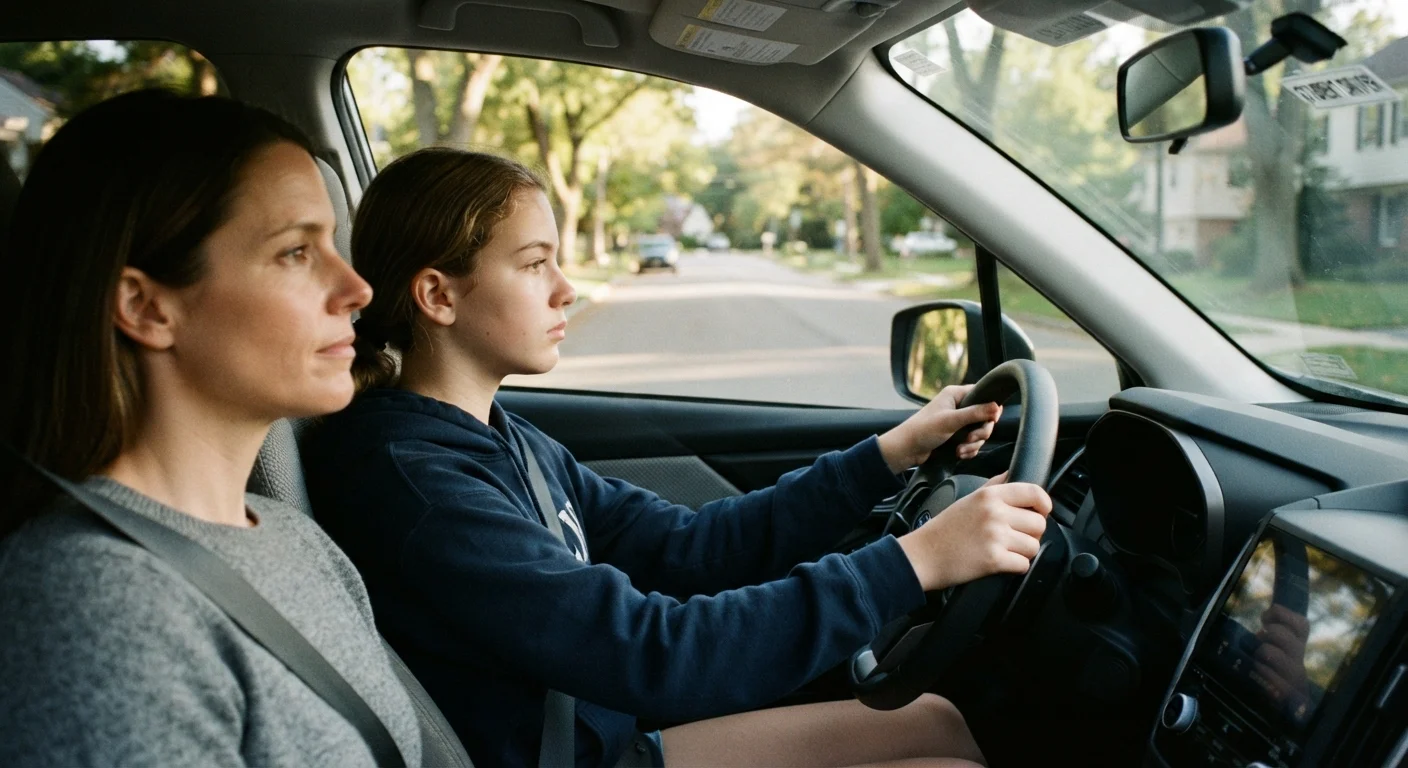
Parents are essential partners in the GDL process. The learner's permit stage is not just a legal formality - it's the primary opportunity for adult guidance before independent driving begins. Effective supervised practice includes varied conditions: highways, intersections, night driving, wet roads, and high-traffic situations.
Teens and parents should be aware that GDL violations - such as breaking curfew or carrying too many passengers - can result in license suspension or extension of the provisional period. Treating restrictions as safety tools rather than punishments helps frame the process constructively.
Since GDL rules vary considerably by state, the most reliable source for specific requirements is always the state's Department of Motor Vehicles (DMV) website. Requirements for supervised hours, curfew times, passenger limits, and minimum holding periods all differ across jurisdictions.
This article is for general informational purposes only. Always refer to your state's DMV or a qualified driving instructor for guidance specific to your situation and local regulations.