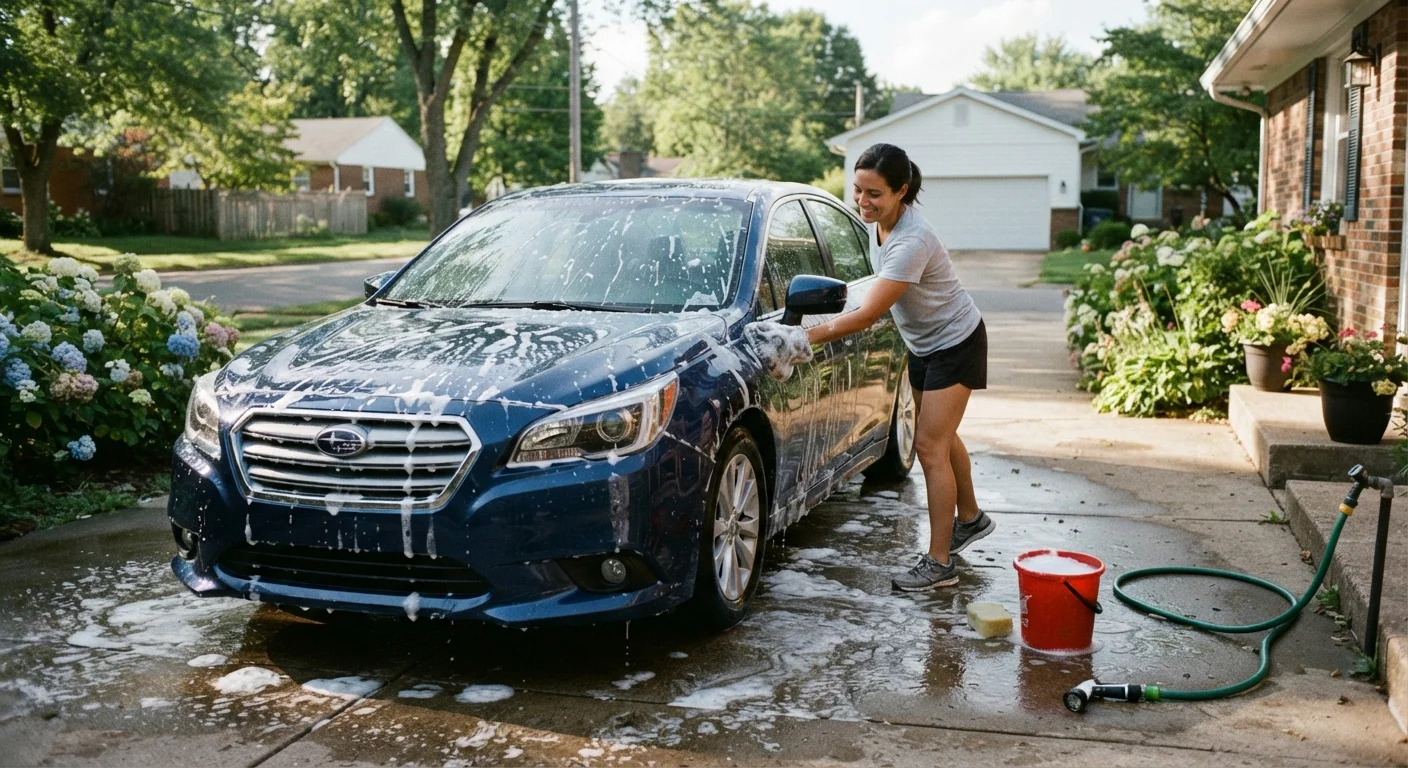
Why Wash Frequency Actually Matters
It is easy to think of car washing as cosmetic - something done before a road trip or when the car looks noticeably dusty. In practice, washing frequency is a genuine vehicle maintenance decision. Contaminants like road salt, bird droppings, insect acids, tree sap, and industrial fallout are chemically active. Left on painted surfaces, they degrade the clear coat, and once that protective layer is compromised, the underlying paint and eventually the metal are vulnerable to oxidation and rust.
Washing is also one of the easiest opportunities to inspect your vehicle. While moving around the car with a mitt, you are likely to notice a new scratch, a developing rust spot, or a cracked seal that might otherwise go undetected for months. Pairing a consistent wash routine with the broader maintenance schedule every driver should follow keeps your ownership experience proactive rather than reactive.
Road Salt Can Damage Paint Quickly
In northern states where roads are salted during winter, letting salt residue sit on your vehicle for even a few days can accelerate rust and paint degradation. Wash your vehicle within 48 hours after driving on salted roads whenever possible, paying close attention to wheel wells and the undercarriage.
There is no universal single answer to how often you should wash - environment, usage, and the level of paint protection already in place all play a role. The steps that follow give you a practical, repeatable process.
What You Will Need
What you will need
Automotive wash soap
Formulated to lift dirt without stripping wax or sealant from the paint surface.
Microfiber wash mitt
Holds suds and glides over paint with minimal friction to reduce the risk of scratches.
Two wash buckets
Keeps rinse water and wash solution separate, preventing grit from contaminating your mitt.
Microfiber drying towels
Absorbs water quickly without scratching the clear coat during the drying step.
Wheel and tire brush
Reaches into brake dust-caked wheel faces and around lug nuts that a mitt cannot reach.
Car wax or paint sealant
Applied after washing to bond a protective layer over the clear coat and extend paint life.
Interior vacuum
Removes embedded debris from carpet, floor mats, and seat crevices during interior detailing.
Interior detailing spray and microfiber cloths
Cleans and conditions dashboard, door panels, and trim surfaces without leaving greasy residue.
Step-by-Step: Washing, Detailing, and Protecting Your Vehicle
Assess your environment and set a baseline frequency
Your local environment is the biggest variable in setting a wash schedule. Drivers in coastal areas face salt air corrosion; those near trees deal with sap and pollen; urban commuters accumulate brake dust and exhaust film. As a general starting point, plan for an exterior wash every one to two weeks. Adjust shorter if you frequently drive on salted or gravel roads, park under trees, or live near the ocean.
Rinse the entire vehicle before applying soap
Begin with a thorough pre-rinse from the top of the vehicle downward to dislodge loose dirt and debris. This step is non-negotiable - rubbing a dry, gritty surface with a mitt causes scratching. Give extra attention to the lower rocker panels, wheel wells, and the undercarriage if you have recently driven on unpaved or salted roads.
Wash panels in sections using the two-bucket method
Work from the roof downward in manageable sections: roof, windows, hood and trunk, then side panels, and finally the lower body and wheels last (wheels carry the most contamination). Use straight, overlapping strokes rather than circular motions to reduce swirl marks. Reload your mitt with fresh soapy water for each section.
[tip_callout]Rinse thoroughly and dry immediately
Rinse from the top down using a steady stream, ensuring all soap is removed from crevices, mirror housings, and trim edges. Dry promptly with a clean, plush microfiber drying towel using light blotting pressure rather than aggressive wiping. Letting water air-dry leaves mineral deposits that etch the paint over time.
Apply wax or sealant every three to six months
Paint protection is where many drivers fall short. A quality wax or synthetic paint sealant bonds to the clear coat, creating a sacrificial layer that takes the punishment from UV rays, environmental contaminants, and light abrasion. Apply according to product instructions - typically in shade, on a clean cool surface, in thin even coats. For deeper guidance on protection options, see our comparison of paint protection methods.
Detail the interior two to four times per year
Interior detailing - vacuuming carpets, wiping down all hard surfaces, cleaning glass from the inside, and conditioning leather or vinyl - is generally needed two to four times per year for a typical driver. Households with children, pets, or frequent food and drink in the vehicle should lean toward quarterly detailing. Use products designed for each surface type to avoid discoloration or damage to trim.
Keeping Track of Your Car Care Routine
Consistency matters more than perfection. Missing a wash by a week during a busy month is not a crisis; letting months go by without any attention to the exterior is where real damage accumulates. A simple log - whether a notes app, a spreadsheet, or a physical notebook in the glove box - makes it easy to see when your last wash, wax, and interior detail occurred.
This habit connects directly to the broader value of vehicle recordkeeping. Keeping accurate maintenance records is not just about mechanical service intervals; documentation of consistent cosmetic care can be a meaningful part of the story you tell a prospective buyer when it comes time to sell or trade in your vehicle.
Avoid Automatic Brush Washes for New Paint
Rotary brush car washes can introduce fine scratches and swirl marks, especially on vehicles with softer clear coats or fresh paint. Touchless or hand washing is generally safer for maintaining a scratch-free finish. If a brush wash is your only option, opt for one with soft foam brushes rather than harder bristle styles.
Set a simple recurring reminder - every two weeks for washing, every three months for a wax check, twice a year for a thorough interior detail. That cadence, adjusted for your specific environment, is enough to keep most vehicles in solid condition for the long term.